
15 Destination Wedding Ideas for a Beautiful Celebration
A destination wedding gives couples a chance to celebrate somewhere beyond their hometown, whether that means a beach, a mountain retreat, a historic city, or a quiet countryside venue. The setting can make the day feel like a special trip for everyone, but planning a wedding away from home also comes with a few extra things to think about. Guests may need travel details, places to stay, and a clear idea of what the wedding weekend will include.
The good news is that a destination wedding does not have to be complicated. Start with a location that feels meaningful, make practical plans for your guests, and choose decorations and activities that work with the setting. You can create a beautiful celebration without filling every hour with events or trying to control every detail. These destination wedding ideas can help you plan a welcoming and memorable day.
Choose a Destination That Feels Meaningful
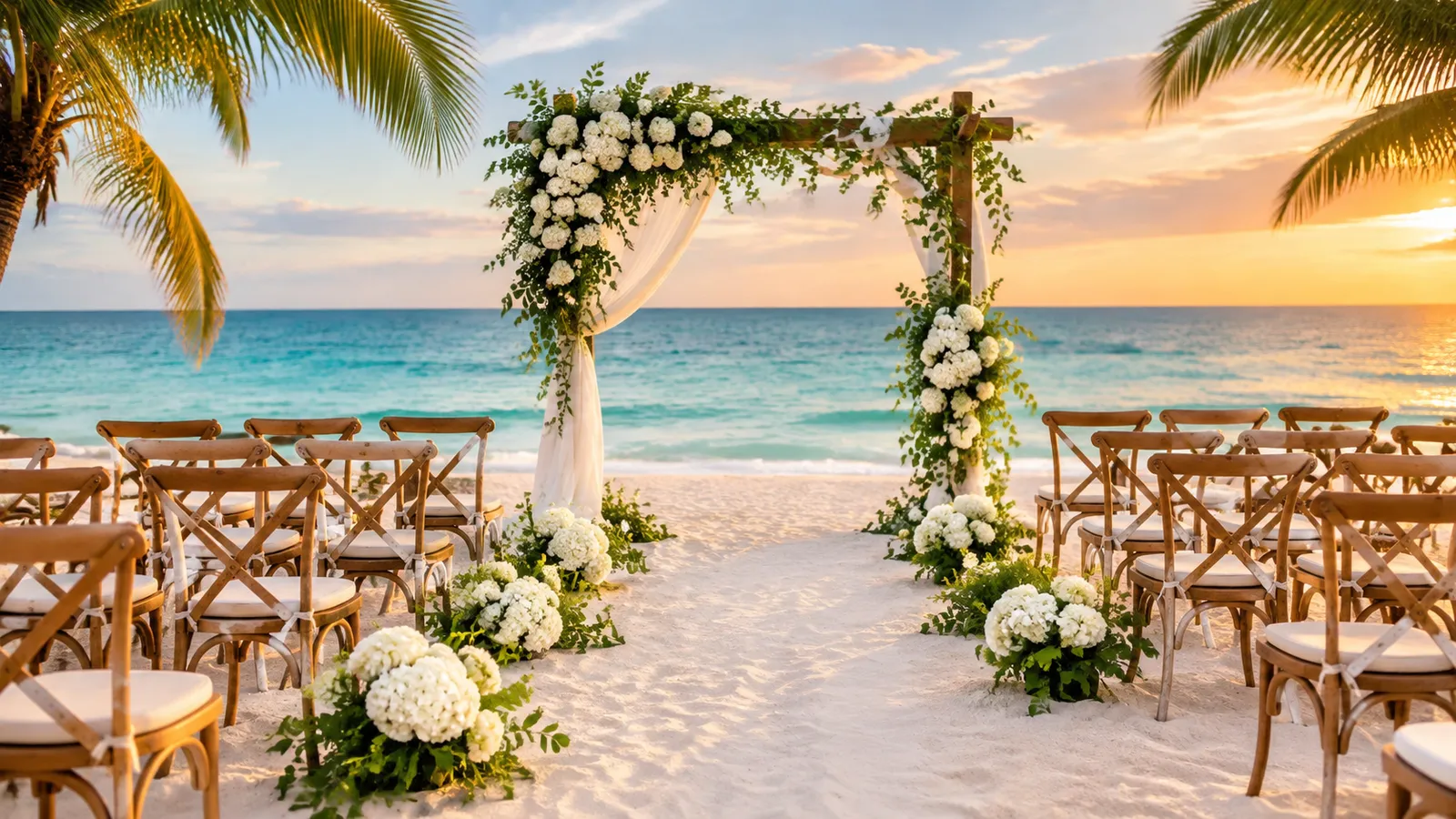
Start with places that matter to you as a couple or offer the kind of setting you both enjoy. You might choose a beach where you have vacationed, a city you love, a mountain town, or a resort that makes it easy for guests to stay nearby. Think about the atmosphere you want, but also consider how practical the location will be for the people you hope can attend.
Make a short list of possible destinations and compare travel time, typical weather, venue choices, and overall costs. A beautiful location is not automatically the right choice if flights are difficult or the area has limited lodging. Look for a place that feels special while still giving guests a reasonable way to get there.
Set a Realistic Budget Early
Destination weddings can include expenses that do not come up with a local celebration, such as travel for site visits, shipping items, welcome bags, transportation, and extra events. Decide what you can spend before choosing the venue. Separate the wedding budget from your personal travel costs, and be clear about which expenses you plan to cover for guests, if any.
Ask venues and vendors for complete estimates that include service fees, taxes, rentals, delivery, and setup. If prices are listed in another currency, allow room for exchange-rate changes and bank fees. Keep a small reserve for unexpected costs. A clear budget helps you make decisions without having to cut important details at the last minute.
Think About Your Guests’ Travel Needs
Your guests will have different budgets, schedules, and comfort levels when traveling. Consider how far they need to travel, whether they may need passports or visas, and how much time off work the trip could require. Giving people plenty of notice makes it easier for them to decide whether they can attend.
Share useful information early, including the nearest airport, typical transfer time, local transportation options, and suggested arrival dates. If guests are traveling internationally, remind them to check entry requirements and passport validity through official sources. Avoid assuming everyone can afford several nights away. A thoughtful plan gives guests choices and makes the invitation feel welcoming rather than demanding.
Choose a Venue That Fits the Wedding Weekend
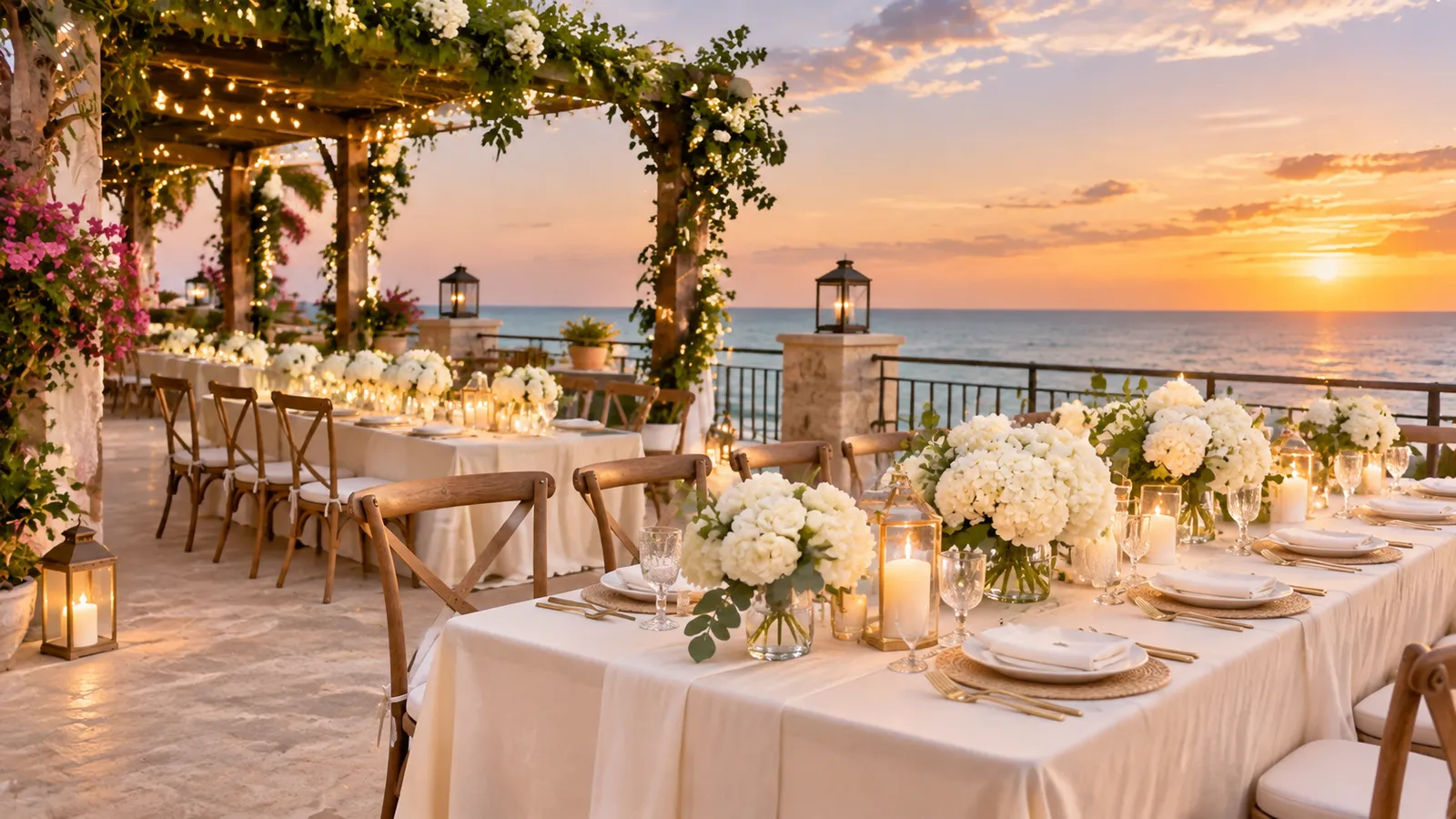
A destination venue should work for more than the ceremony itself. Think about where guests will gather before and after the wedding, whether there is room for a meal, and how easy it is to move between spaces. Resorts, boutique hotels, private villas, gardens, historic properties, and restaurants can all work, depending on your guest count and plans.
Ask what is included in the venue package and what you will need to arrange separately. Check indoor backup options, accessibility, sound limits, setup times, vendor rules, and weather policies. If the ceremony and reception are in different places, consider the travel time between them. A venue that makes the weekend easy to navigate can take a lot of pressure off everyone.
Pick a Date With Weather and Local Seasons in Mind
Weather can shape almost every part of a destination wedding, especially if you are planning an outdoor ceremony. Research the area’s rainy season, heat, humidity, wind, and local holidays before choosing a date. A location that is lovely in one month may be crowded, very hot, or difficult to reach in another.
Ask local venues and planners which months tend to work best. Consider sunset time if you want an outdoor ceremony or photographs in natural light. Have a backup plan for rain or extreme heat, and make sure guests know what clothing and footwear will be comfortable. A little seasonal research can prevent avoidable surprises.
Create a Simple Wedding Weekend Schedule
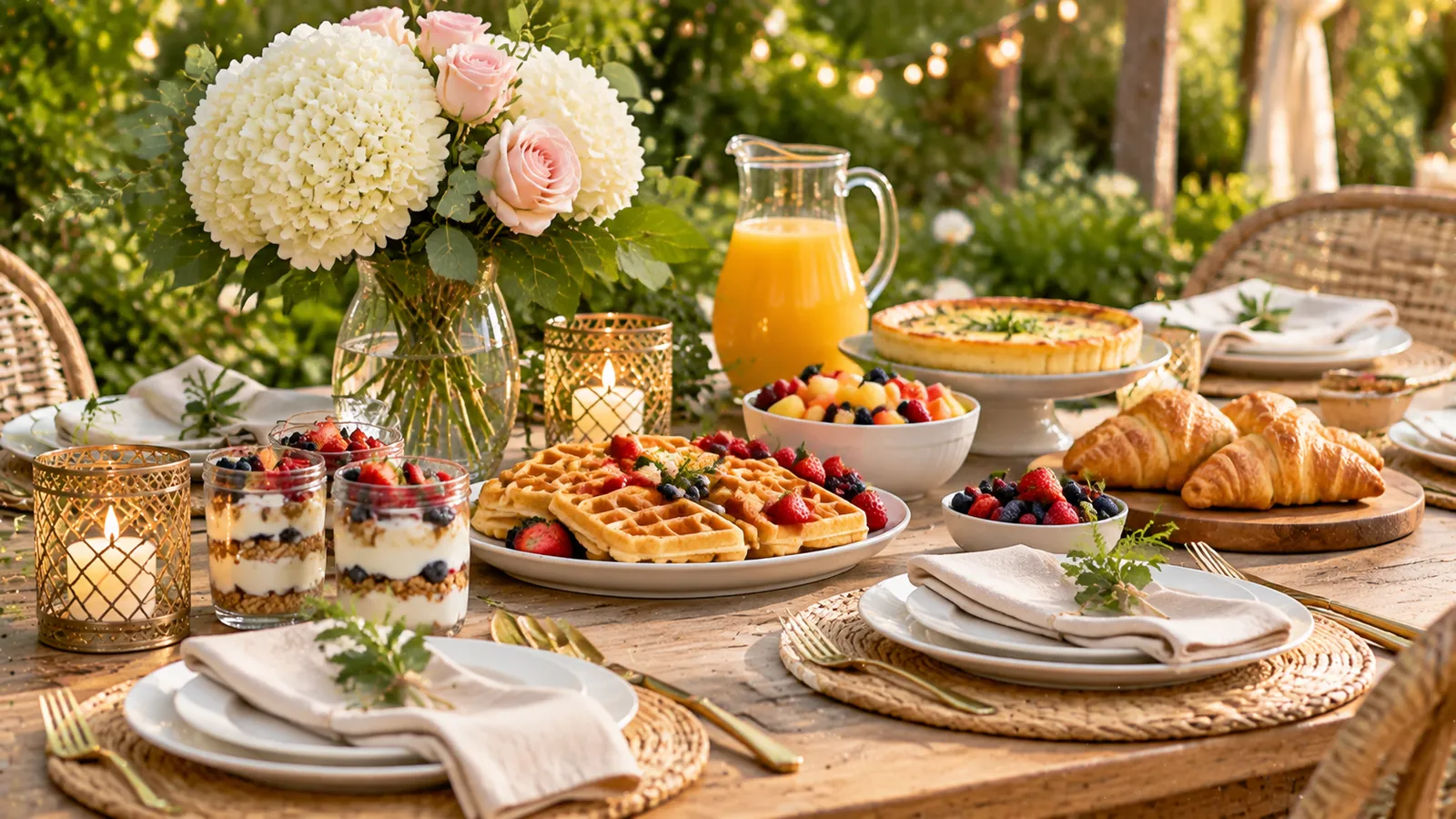
Many destination weddings include more than one gathering, but guests do not need a packed itinerary. You might plan a welcome dinner, the wedding day, and an optional brunch or farewell coffee. Give people free time to rest, explore, or enjoy the destination on their own.
Share the schedule with clear start and end times, locations, and dress suggestions. Mark which events are hosted and which are optional. If guests need transportation, include pickup points and timing. Keep the wedding day schedule realistic, with enough time for travel, photographs, and a little breathing room. A relaxed weekend often feels more enjoyable than a long list of required activities.
Use Decor That Works With the Setting
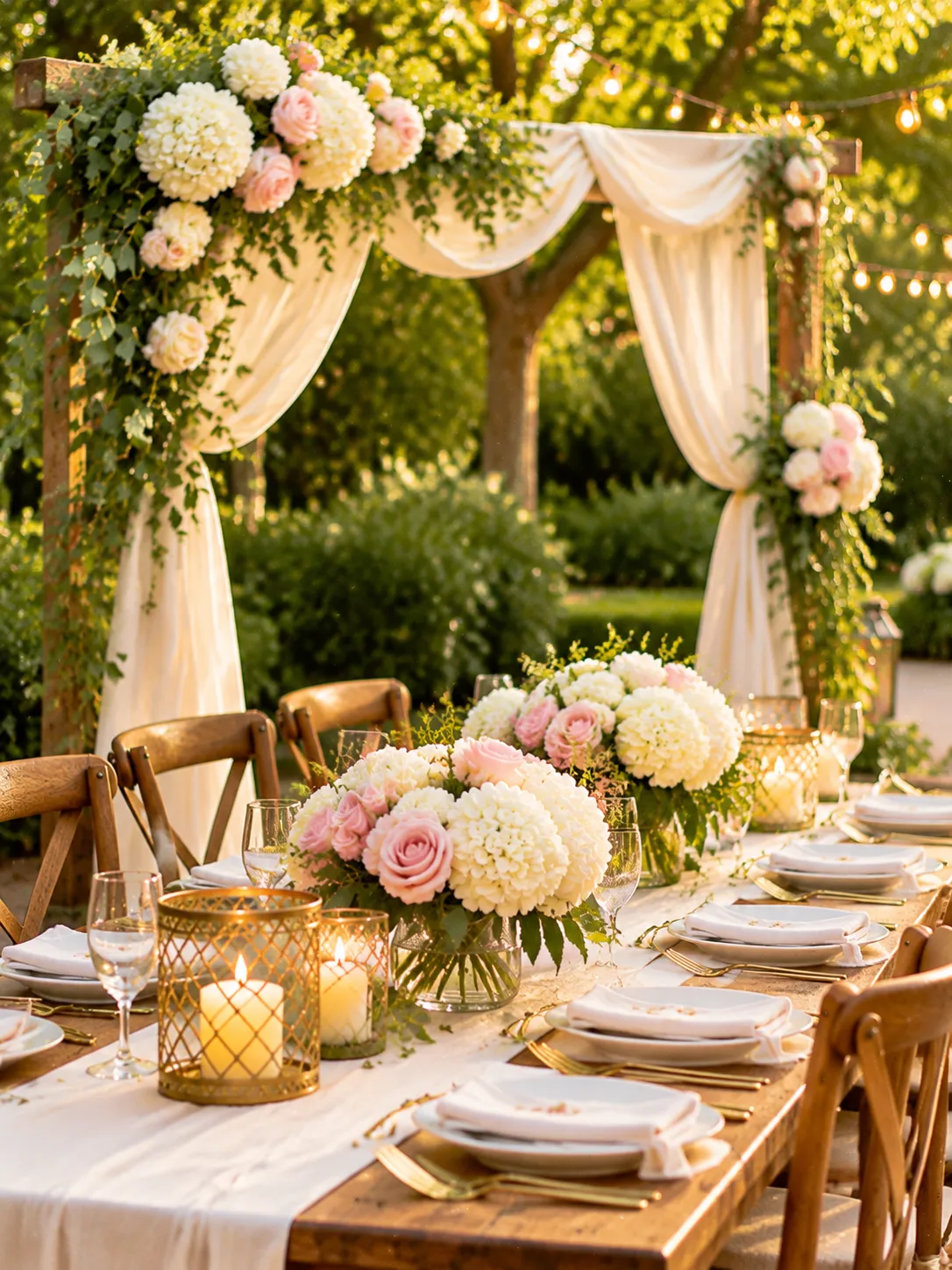
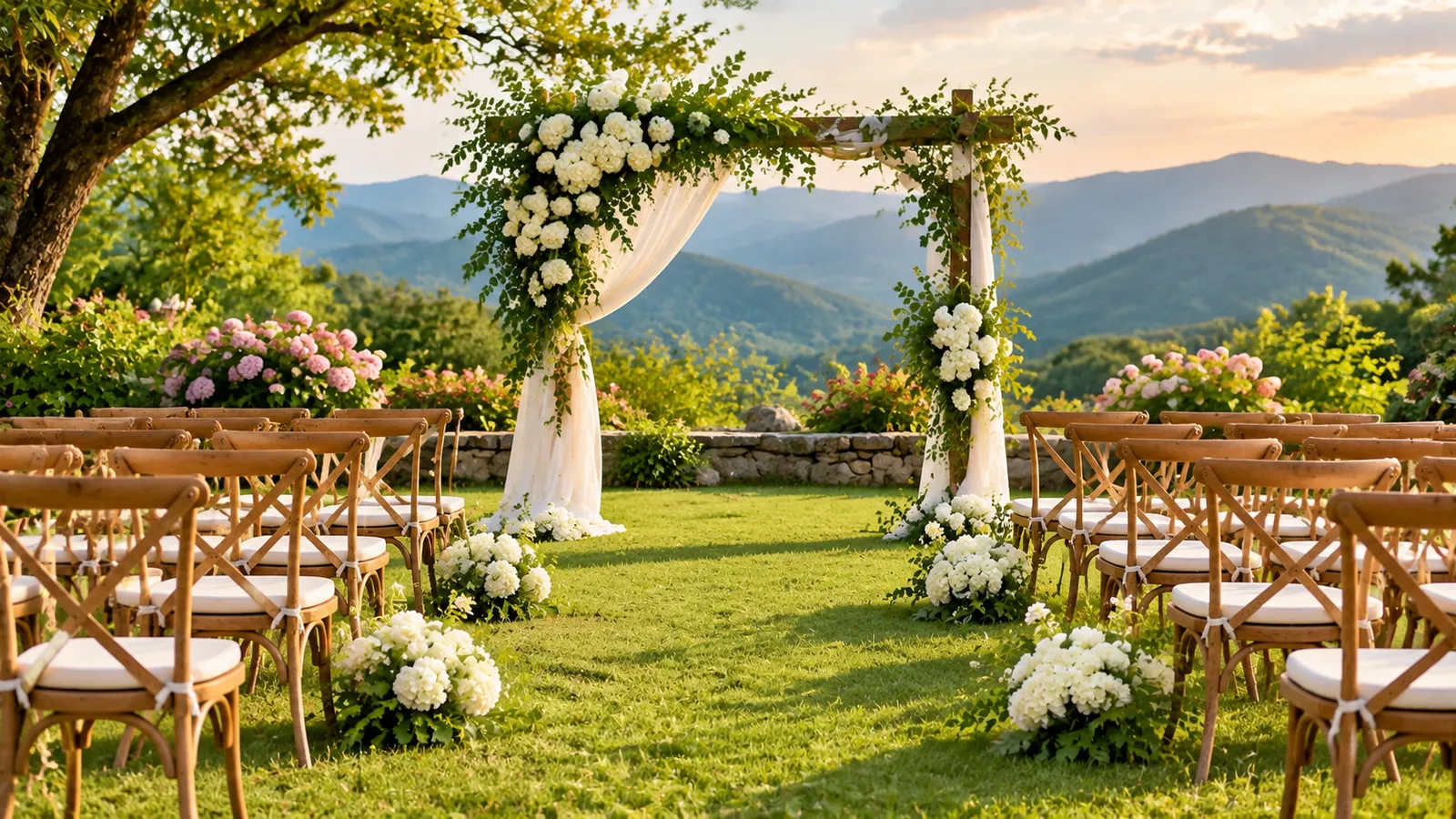
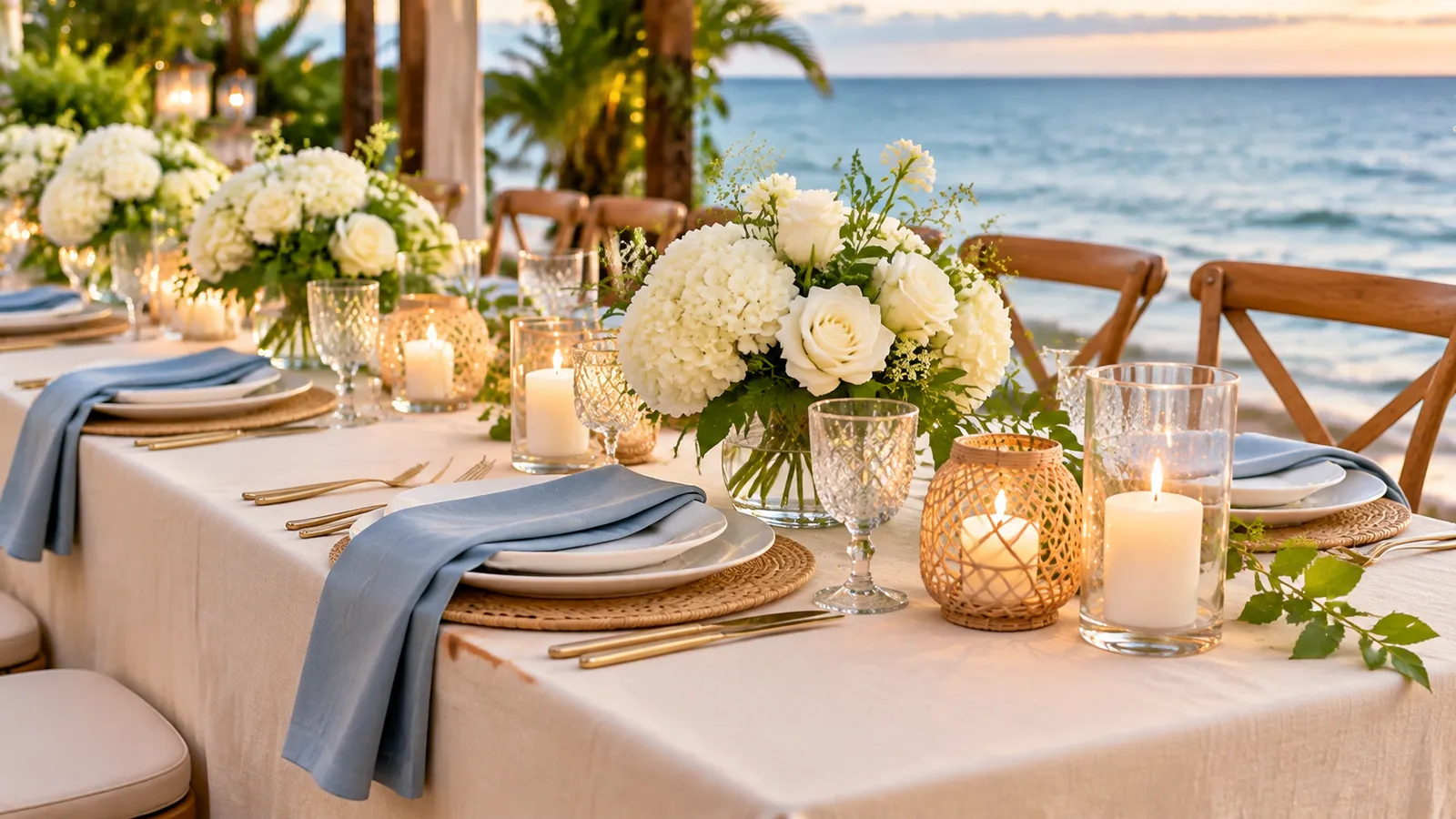
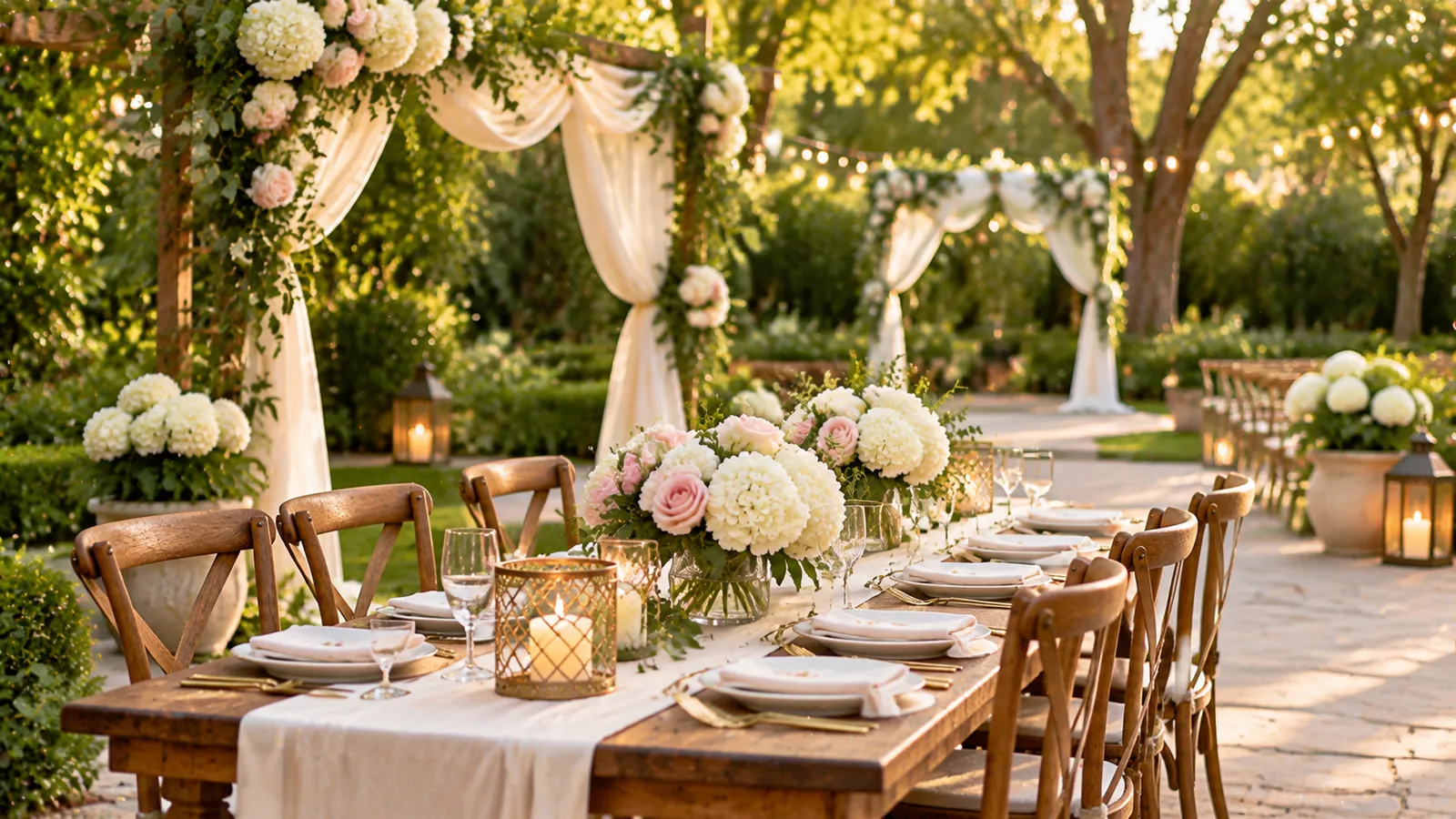
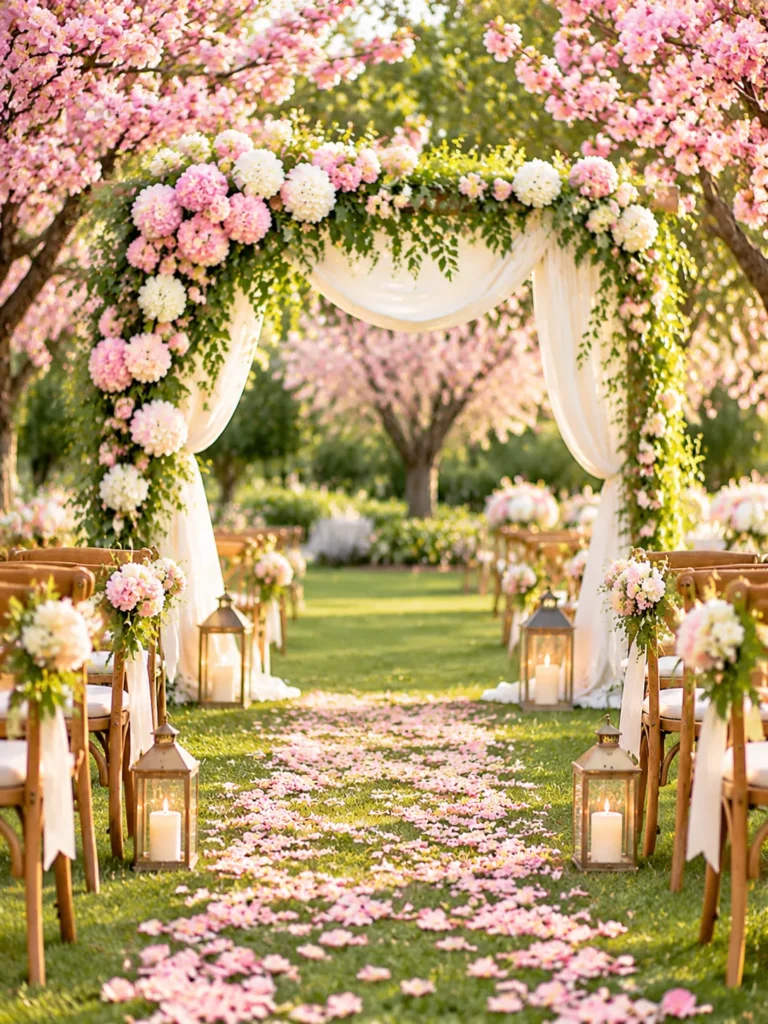
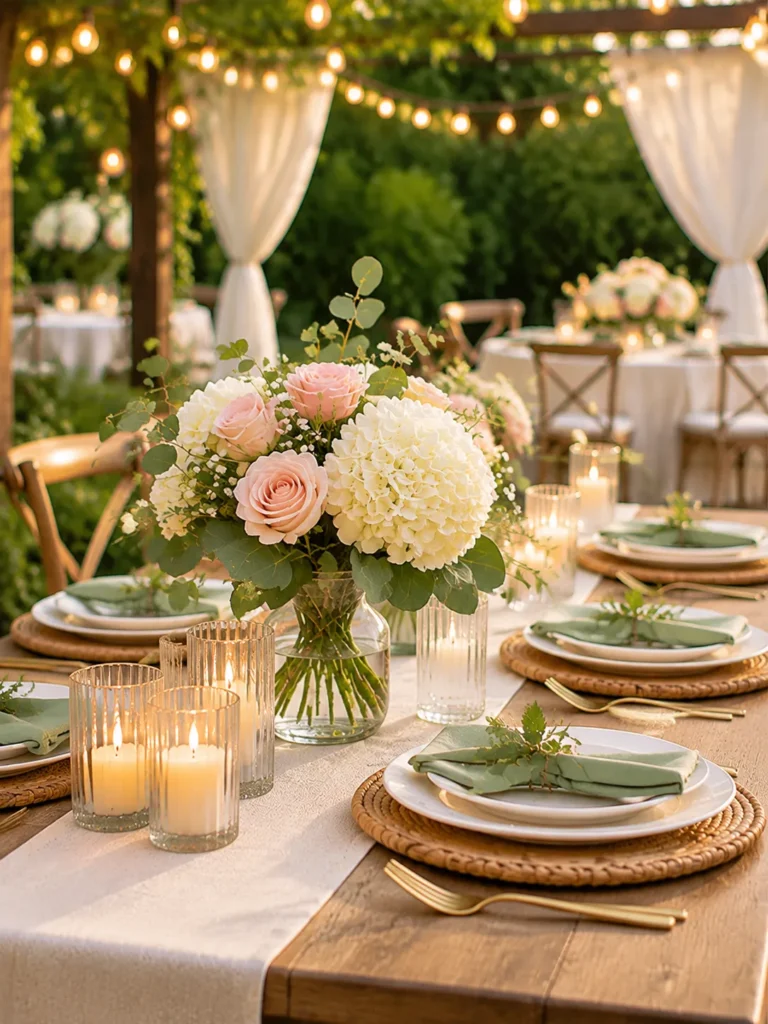
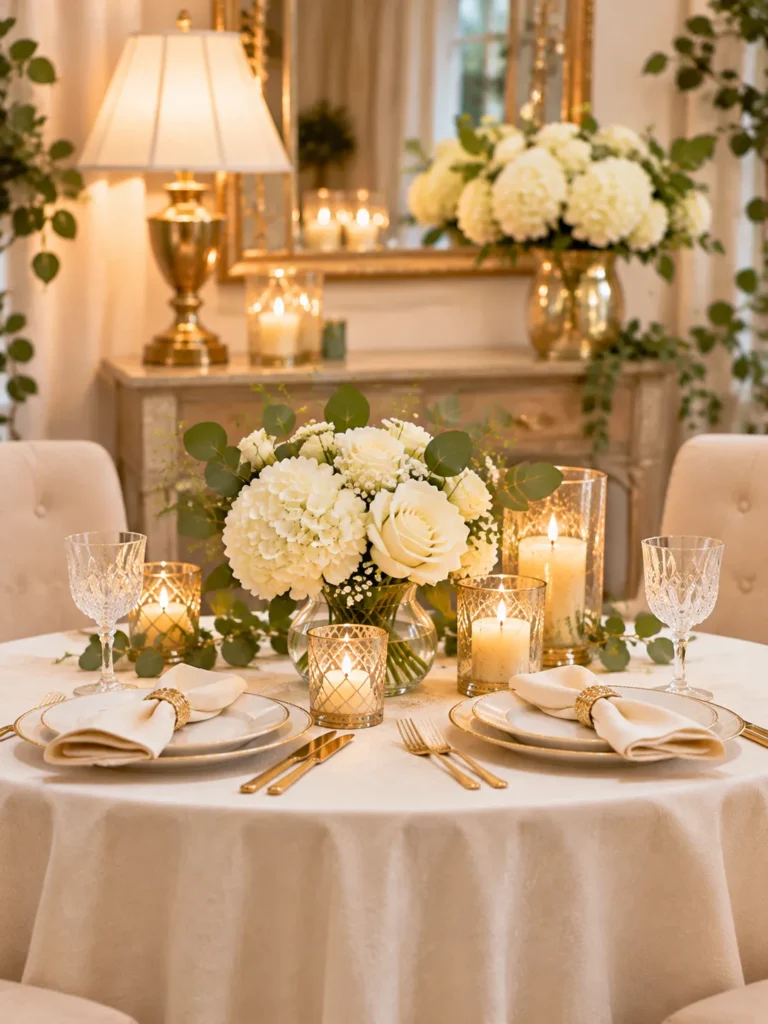
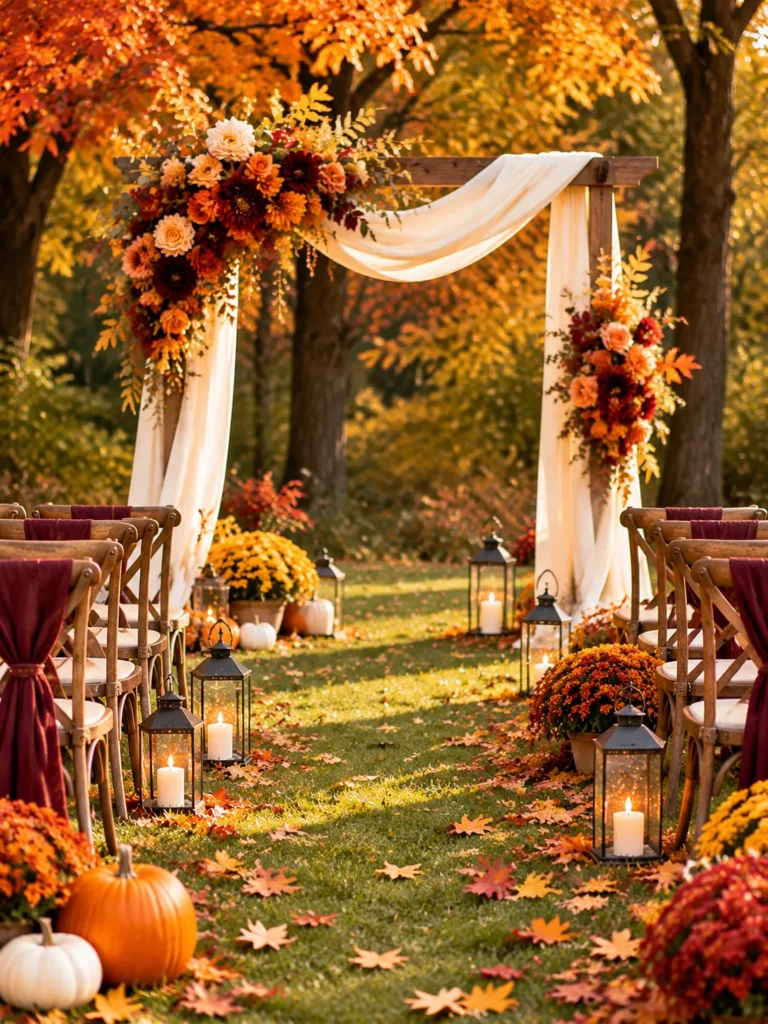
Let the destination guide your wedding decorations. A beach setting may suit natural textures, airy fabric, and soft flowers, while a mountain venue might call for greenery, wood details, and warm candlelight. A historic city location may look best with classic table settings and simple arrangements that do not compete with the architecture.
Choose a few colors and repeat them in flowers, linens, stationery, and small details. Ask the venue what decorations are allowed and whether items can be sourced locally. Avoid shipping bulky decor unless it is truly important to you. Local flowers and materials can make the wedding feel connected to the place while keeping logistics simpler.
Make the Ceremony Comfortable for Guests
Think about guest comfort when planning the ceremony space. For an outdoor wedding, provide shade, water, and seating that suits the weather and terrain. On sand, grass, or uneven ground, consider a clear path and footwear guidance. If the ceremony is in the sun, try to schedule it when temperatures are more comfortable.
Make sure guests can hear the ceremony and see the couple without standing in awkward spots. Check whether the location has step-free access and nearby restrooms. If the ceremony is in a public or natural area, confirm permits and any restrictions on flowers, music, chairs, or setup. The setting should feel beautiful, but guests should also be able to enjoy it comfortably.

Plan Food That Reflects the Destination
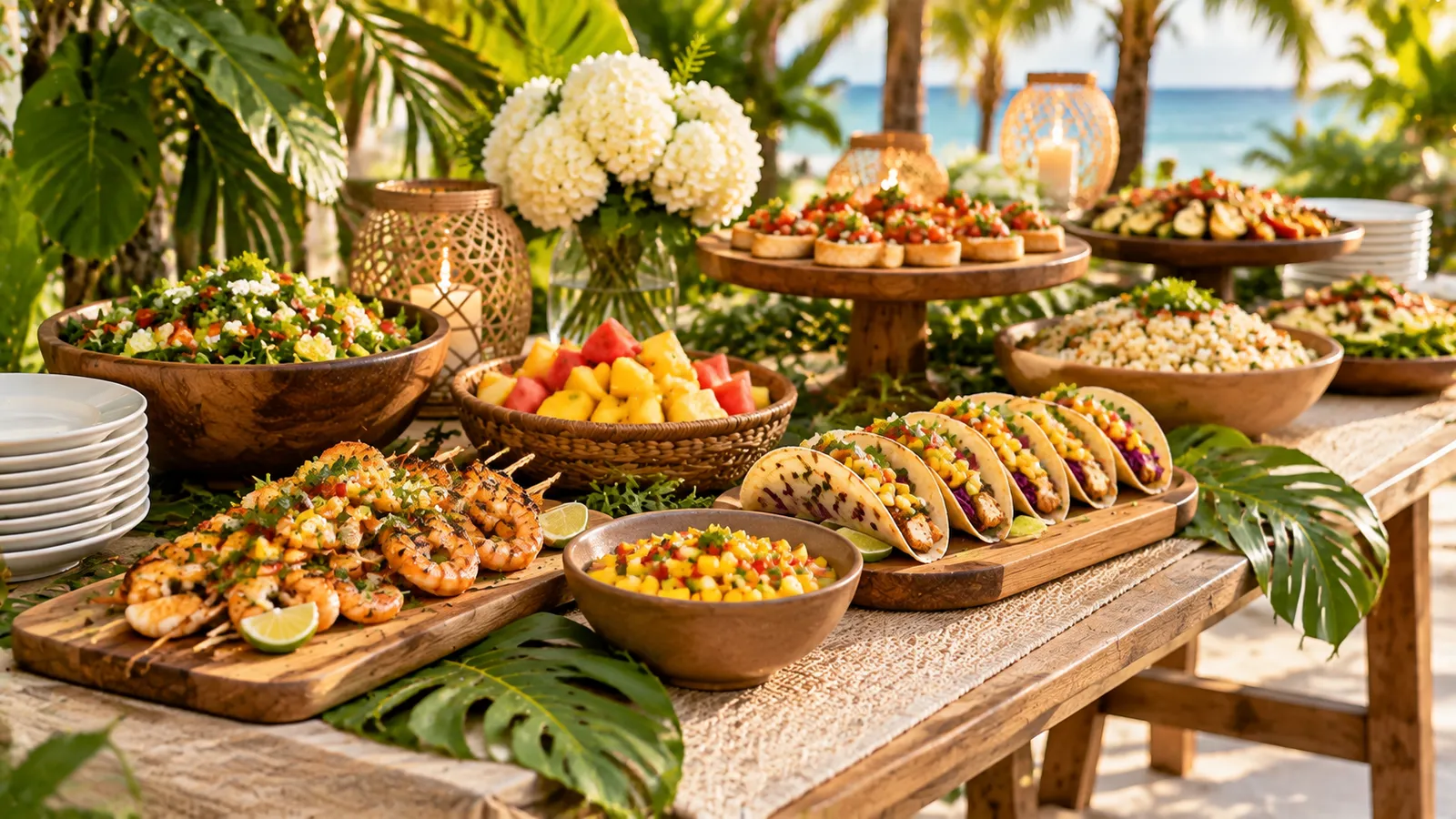
Food is a great way to make a destination wedding feel connected to its location. Work with local caterers to include regional dishes, seasonal ingredients, or a favorite local specialty. You can still include familiar options for guests who prefer simpler food, especially if the menu includes strong flavors or ingredients that may be new to them.
Ask about dietary restrictions and allergies before confirming the menu. Make sure there are satisfying choices for vegetarian guests and people avoiding common ingredients. If the wedding is outdoors, check how food will be kept at safe temperatures. Local vendors can often suggest dishes that suit the season and venue better than a menu planned from far away.
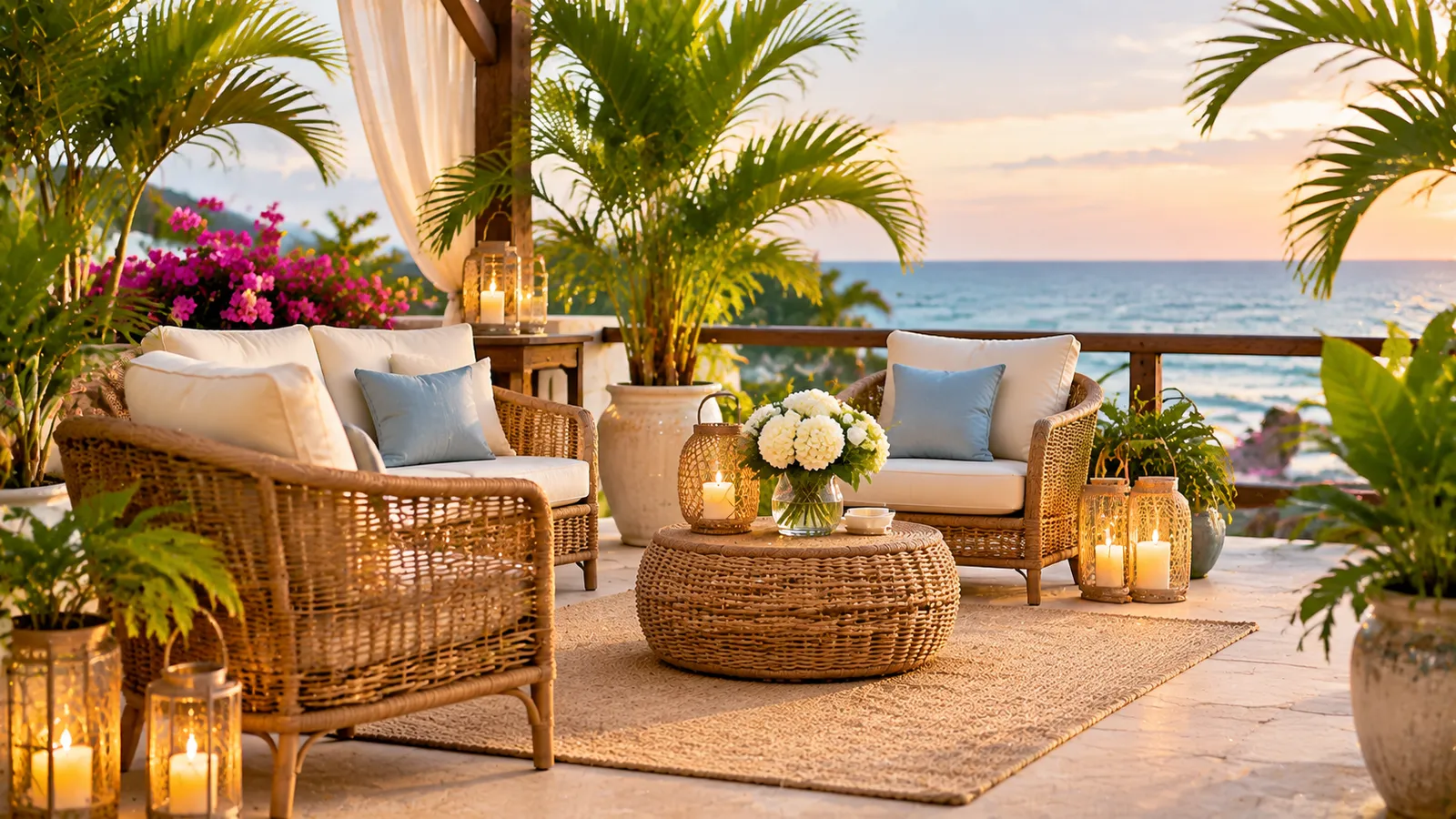
Prepare a Welcome Area or Guest Information Table
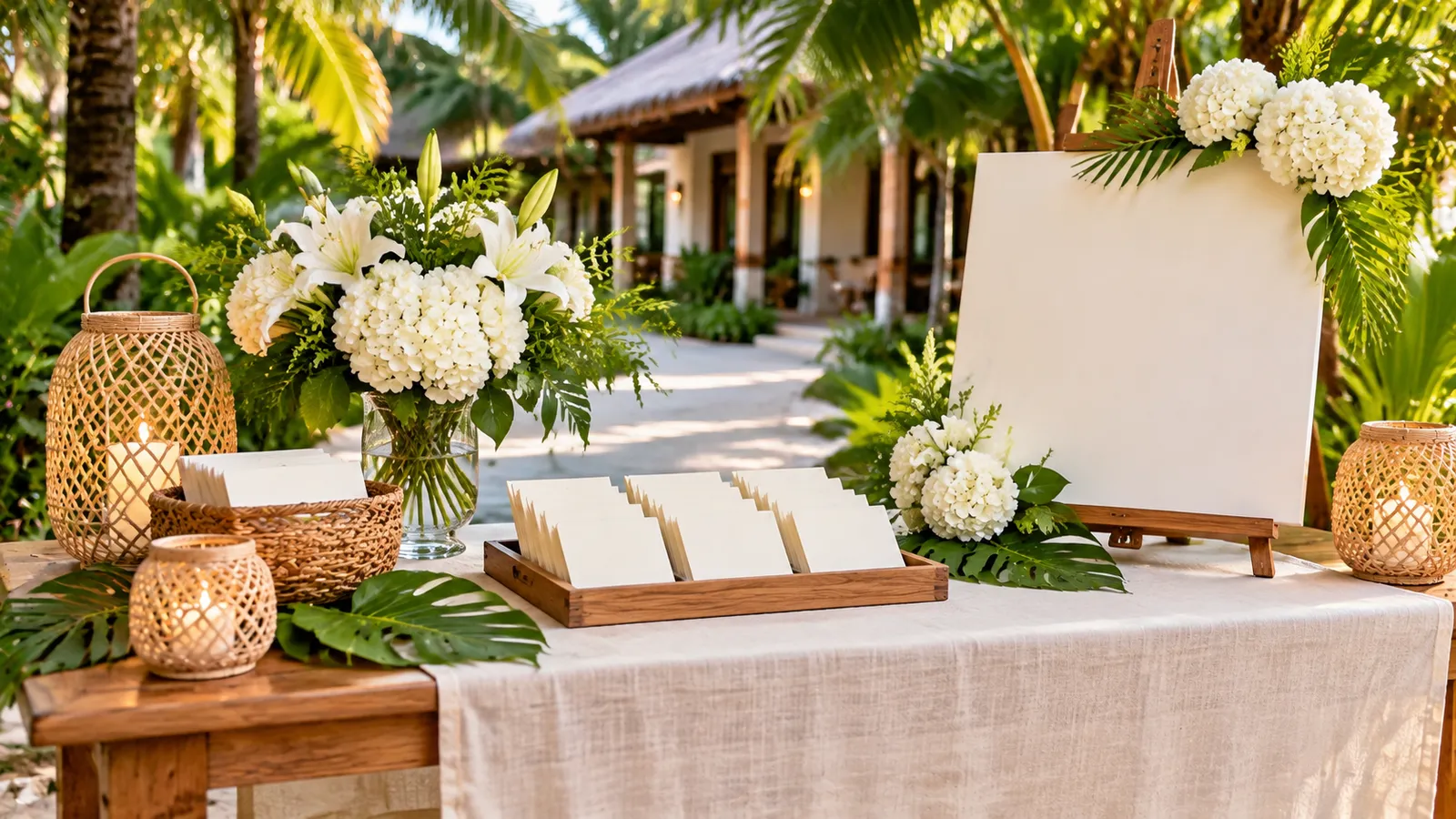
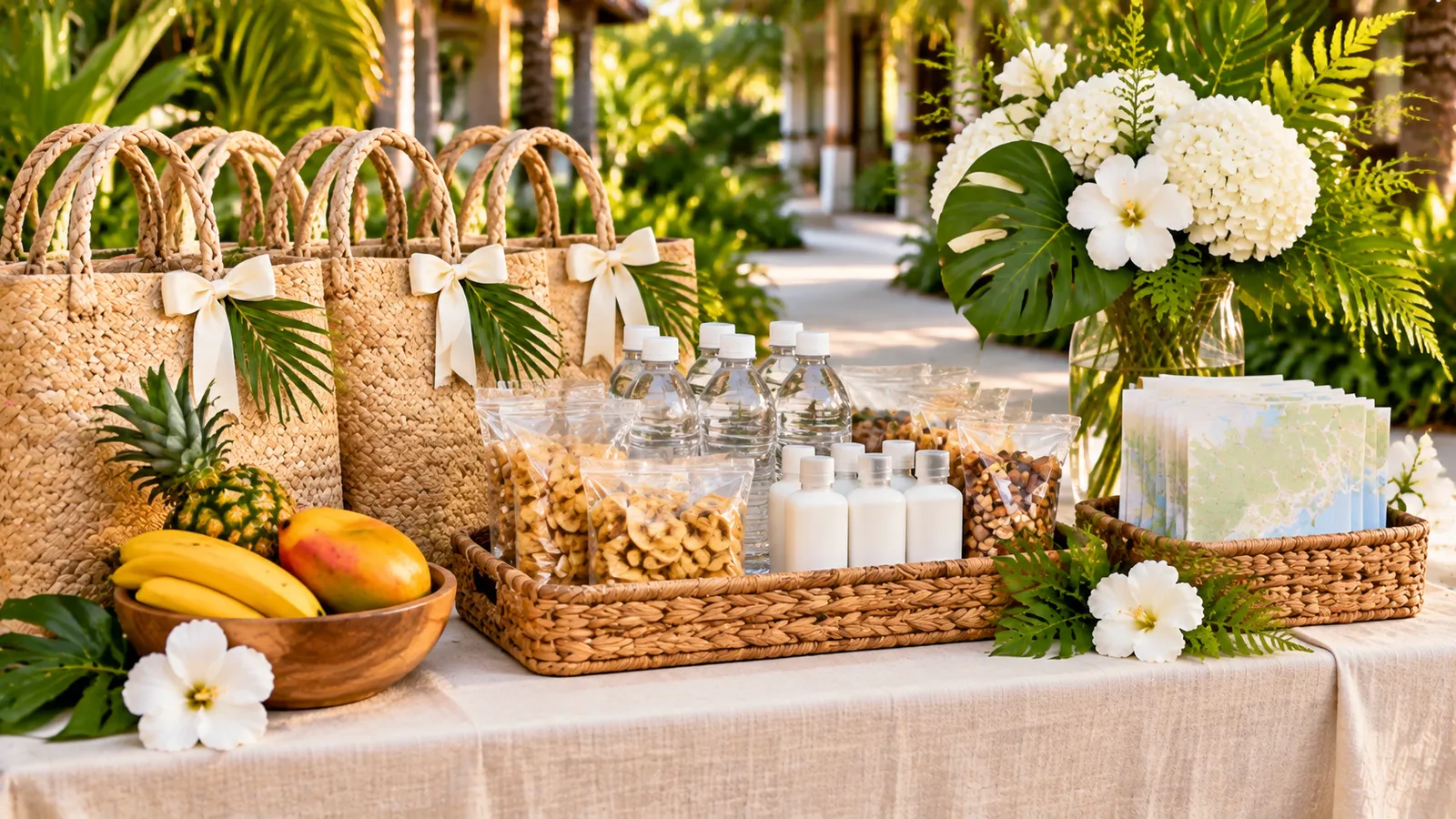
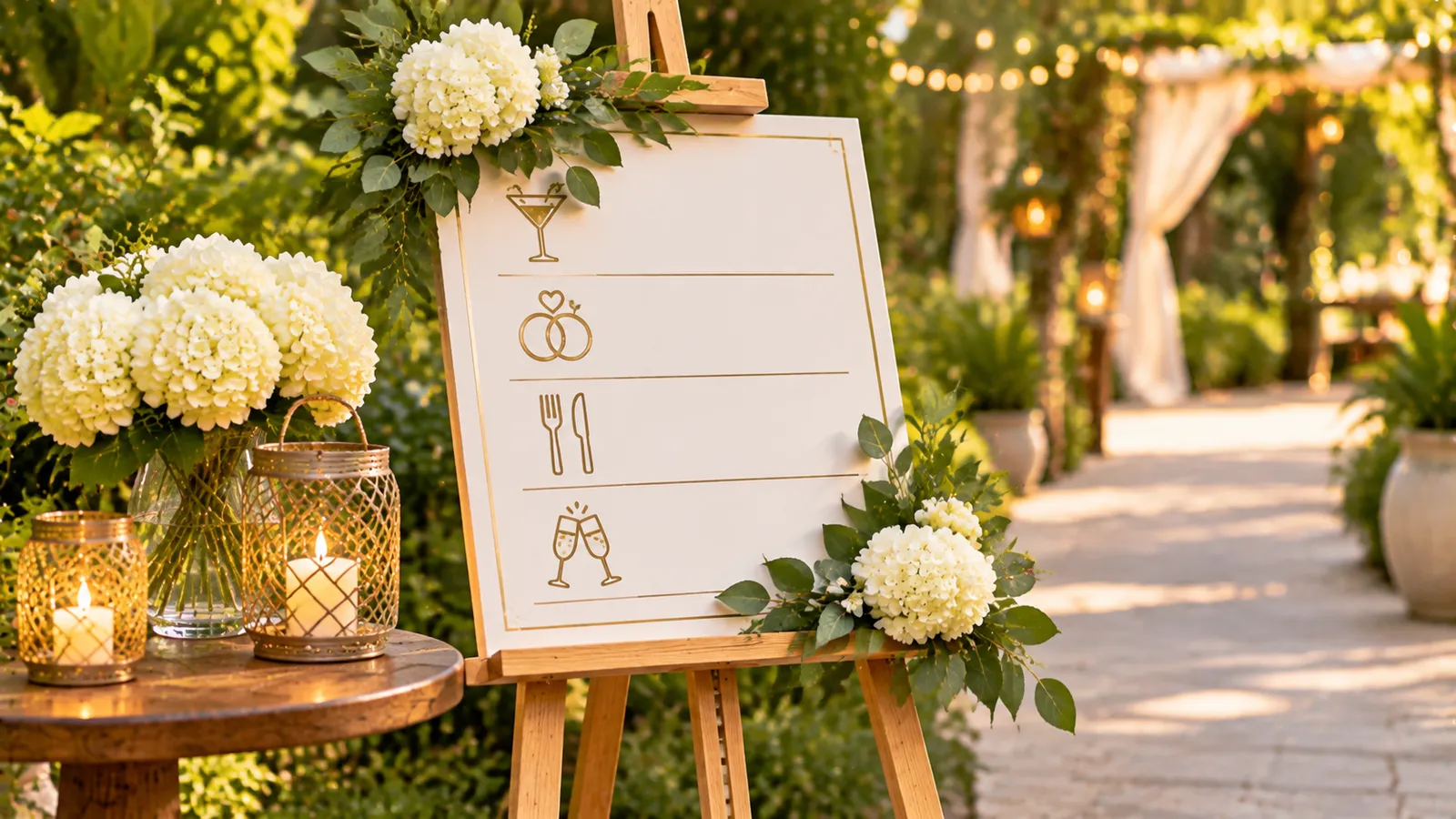
A small welcome area can help guests feel settled when they arrive. Set out a simple schedule, local map, transportation details, and contact information for the person coordinating the weekend. You could also include a few practical items such as sunscreen, tissues, or bottled water, depending on the destination.
Keep the display neat and easy to use. A welcome sign can be part of the setup, but make sure any sign used in image prompts is completely blank with no lettering. If guests are staying at different hotels, provide information that applies to everyone rather than assuming they are all in one place. Clear details help guests find their way without having to message the couple for every small question.
Choose Guest-Friendly Welcome Bags
Welcome bags are optional, but they can be a thoughtful way to greet guests after a long journey. Keep the contents useful and suited to the location. You might include water, a local snack, a small map, a weekend schedule, sunscreen, or a note thanking guests for making the trip.
Choose lightweight items that are easy to carry and do not create extra luggage problems. If guests are arriving at different hotels, ask whether the hotels can distribute the bags and whether there is a handling fee. You can also place a welcome basket at the main gathering instead. The goal is to make guests feel cared for, not to create an expensive gift package.
Arrange Transportation and Clear Directions
Transportation can be one of the most important parts of a destination wedding. Guests may not know the roads, local taxi services, or how long it takes to travel between hotels and venues. Share directions in advance and consider arranging a shuttle if the venue is remote, parking is limited, or guests will be traveling at night.
If you do not provide group transportation, list reliable local options and explain where guests can find them. Give realistic travel times and account for traffic or narrow roads. For international destinations, check whether ride-share services are common and whether guests will need local cash. A little planning can help everyone arrive on time and get home safely.
Add Activities Without Making Them Obligatory
A destination wedding can be a chance for guests to enjoy the area, but not everyone will want to join every activity. Consider sharing optional suggestions such as a walking tour, beach morning, local market visit, scenic outing, or relaxed group meal. Keep the activities suitable for different ages and energy levels.
Make it clear which plans are optional and whether guests need to pay for their own tickets or meals. Avoid scheduling activities too close to the ceremony or asking guests to spend the entire trip with the wedding group. Some people may prefer to explore independently or simply rest. Offering ideas without pressure helps everyone enjoy the destination in their own way.
Understand Local Rules and Work With Local Vendors
Destination weddings may involve local marriage requirements, permits, venue rules, and vendor agreements. If you plan to legally marry abroad, check the official government requirements for that destination well in advance. Some couples choose to complete the legal paperwork at home and have a symbolic ceremony during the trip. Confirm what is required rather than relying on assumptions or informal advice.
Local planners, florists, photographers, and caterers can help you understand what works in the area. Ask for written contracts, payment schedules, cancellation terms, and details about what happens if weather or travel problems affect the event. Check references and recent examples of their work. Local knowledge can save time and help your plans fit the place.
Make Time to Enjoy the Destination and Each Other
It is easy to fill a destination wedding weekend with schedules, guest questions, and small decisions. Leave some time for yourselves to enjoy the location and the reason you chose it. You might plan a quiet breakfast together, take a short walk after the ceremony, or keep one morning free before guests arrive.
Choose a trusted person or planner to handle questions during the weekend so you are not managing every detail. Remember that guests will not notice every small change to the plan. They will remember the setting, the time together, and how welcome they felt. Focus on the moments that matter most and let the rest be simple.
Frequently Asked Questions
How far in advance should you plan a destination wedding?
Many couples start planning 12 to 18 months ahead, especially if guests need international flights or the destination has a busy season. More time can help with venue availability, travel arrangements, and guest notice. The right timeline depends on the location and size of the wedding.
Who pays for guests at a destination wedding?
Guests usually pay for their own travel and accommodation unless the couple chooses to cover some costs. Couples often pay for the wedding events they host, such as the ceremony, reception, or welcome gathering. Explain what is included so guests can plan their budgets.
Do you need a wedding planner for a destination wedding?
A local wedding planner can be very helpful because they know the area, vendors, venue rules, and local logistics. It is possible to plan without one, but couples should be comfortable coordinating across distance, time zones, and different vendor arrangements.
Can you have a destination wedding with a small budget?
Yes. Choose a location with affordable travel and lodging, keep the guest list manageable, and focus spending on the details that matter most. A weekday date, local flowers, a simple meal, and fewer hosted events can also help control costs.
Related Ideas
- 15 Wedding Ceremony Decoration Ideas for a Beautiful Day
- 15 Wedding Reception Decoration Ideas for a Beautiful Celebration
- 15 Engagement Party Decoration Ideas for a Lovely Celebration
- 15 Proposal Setup Decoration Ideas for a Beautiful Moment
- 15 Wedding Anniversary Decoration Ideas for a Special Day
- 15 First Wedding Anniversary Decoration Ideas to Celebrate One Year
- Silver Wedding Anniversary: 15 Beautiful Celebration Ideas
- Golden Wedding Anniversary: 15 Beautiful Celebration Ideas
- 15 Vow Renewal Ceremony Ideas for a Meaningful Day
- 15 Bridal Shower Decoration Ideas for a Beautiful Party
- 15 Couples’ Shower Ideas for a Fun Wedding Celebration
- 15 Rehearsal Dinner Ideas for a Warm Wedding Celebration
- 15 Welcome Wedding Party Ideas for a Warm Celebration
- 15 Post-Wedding Brunch Ideas for a Lovely Day-After Gathering
- 15 Bachelor Party Ideas for a Fun Pre-Wedding Celebration
- 15 Bachelorette Party Ideas for a Fun Wedding Celebration
- 15 Bridal Luncheon Ideas for a Lovely Pre-Wedding Gathering
- 15 Bridesmaid Proposal Party Ideas to Ask Your Friends
- 15 Groomsmen Proposal Ideas to Ask Your Friends
- 15 Wedding Welcome Party Ideas for a Warm Celebration
- 15 Elopement Celebration Ideas for a Meaningful Gathering
- 15 Micro Wedding Ideas for a Beautiful, Intimate Day

One Comment