15 Family Heritage Celebration Ideas to Honor Your Roots
A family heritage celebration is a lovely way to bring relatives together and recognize the stories, traditions, places, and experiences that have shaped your family. It can be a relaxed afternoon at home, a backyard gathering, or a larger event with relatives traveling from different places. The goal is to make room for memories and help every generation feel connected.
You do not need an elaborate event to make the day meaningful. Old photographs, favorite family recipes, music, keepsakes, and stories can create a warm atmosphere without a lot of expense. Invite relatives to contribute in ways that feel comfortable, and remember that family histories can be complicated and different for everyone. These family heritage celebration ideas can help you plan a thoughtful gathering that honors your roots while making new memories together.
Choose a Theme That Reflects Your Family Story
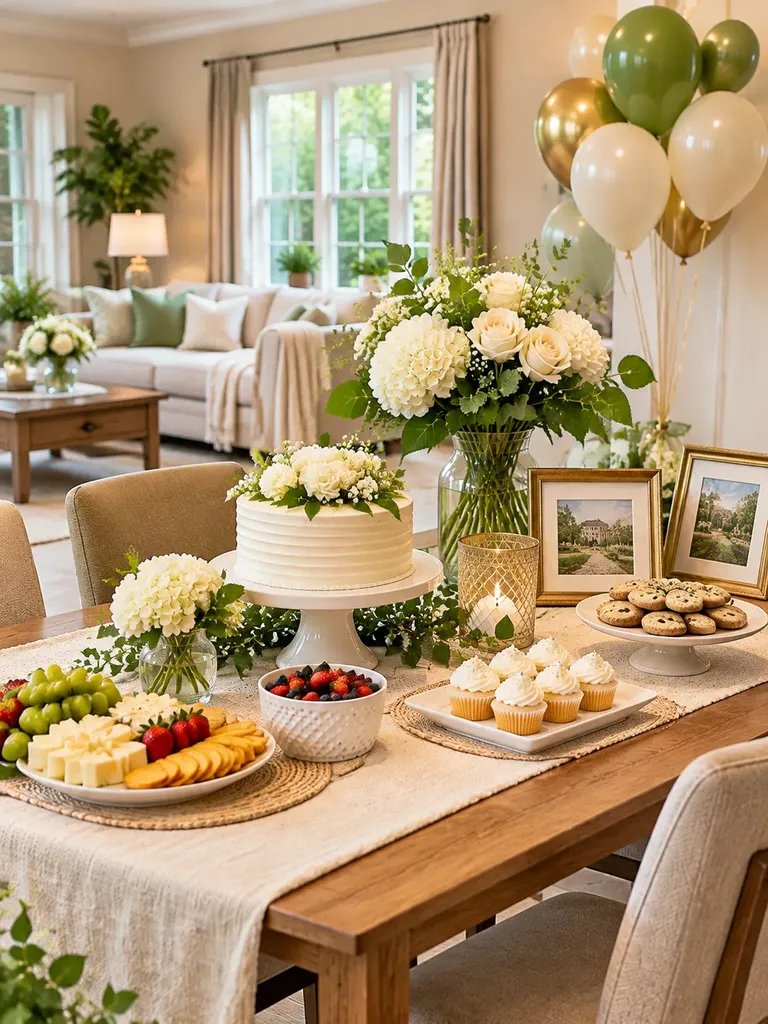
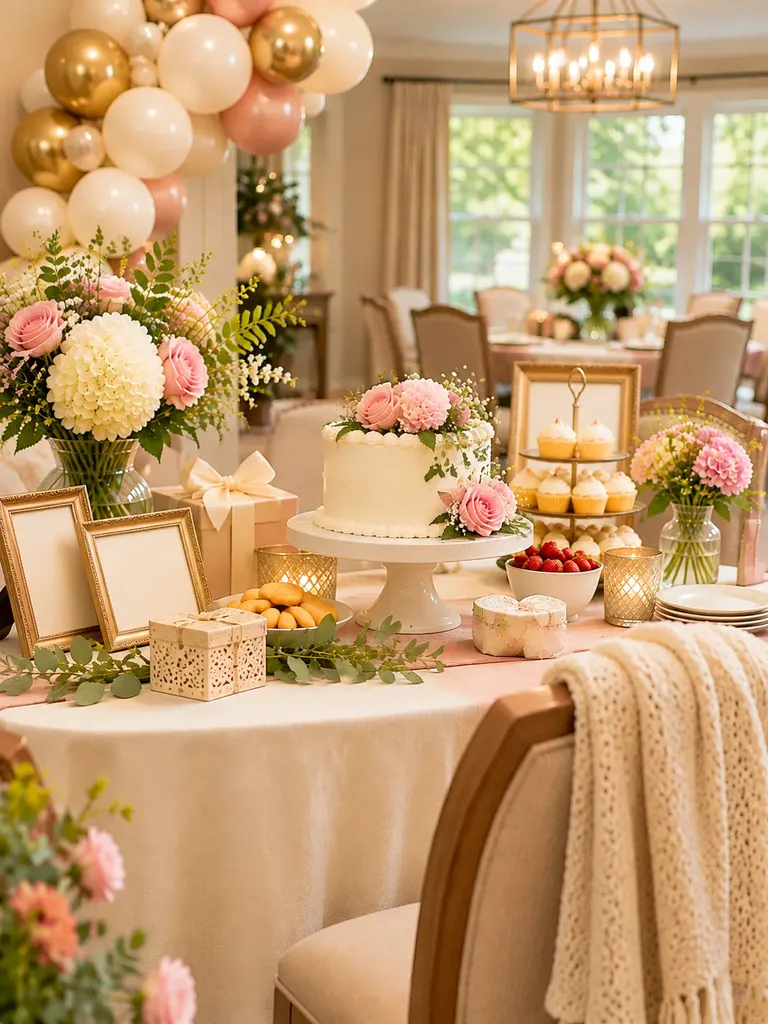
Start with a theme that gives the celebration a personal direction. It could reflect a country or region connected to your family, a collection of family traditions, a particular generation, or the journey relatives have taken over time. You might use colors, patterns, textiles, or natural details that remind your family of meaningful places.
Keep the theme welcoming rather than trying to represent every part of your family history at once. A few thoughtful details repeated across the entrance, dining table, and memory display can make the event feel connected. If relatives have different backgrounds or experiences, make room for those stories too.
Create a Family History Photo Display
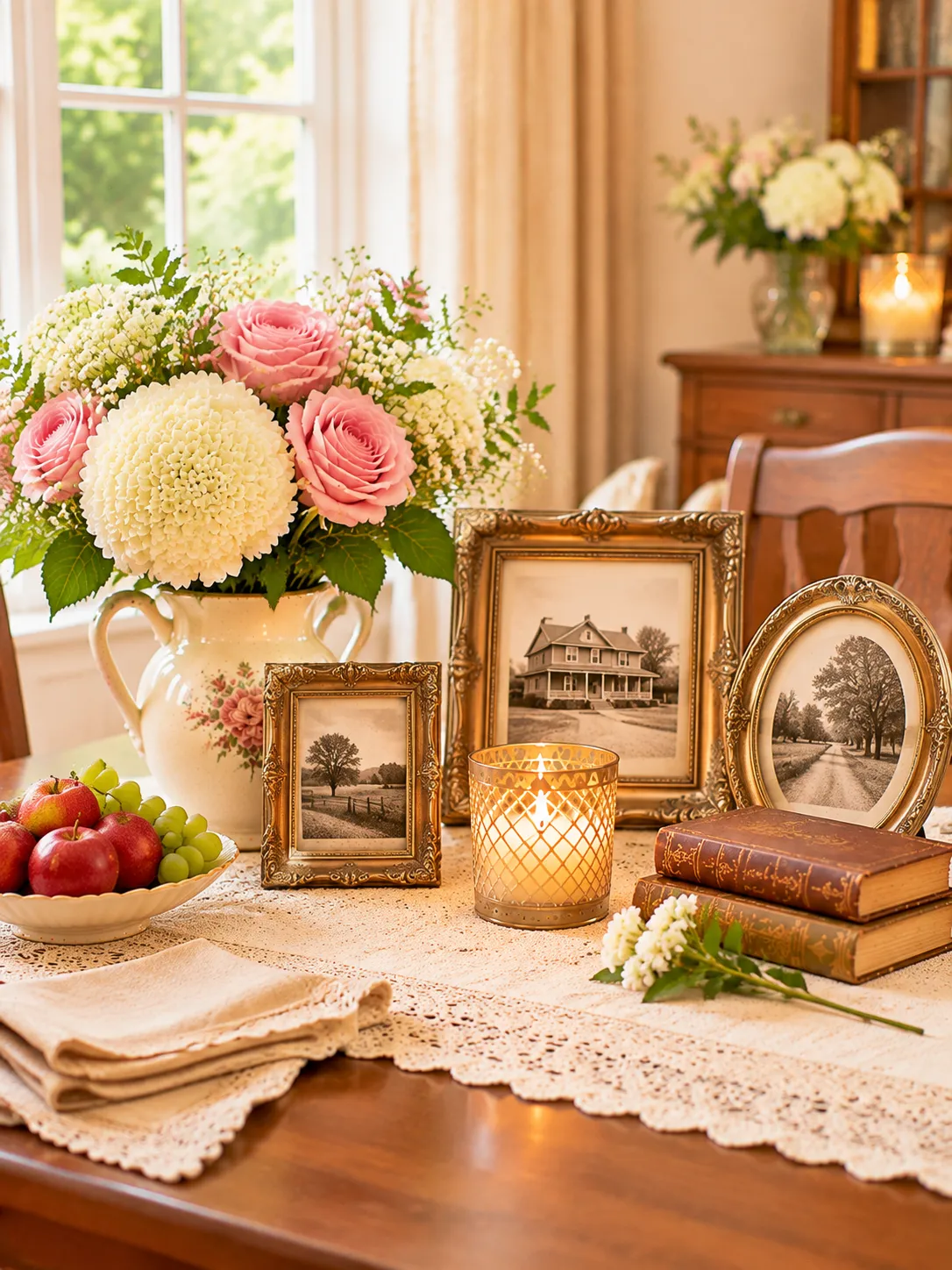
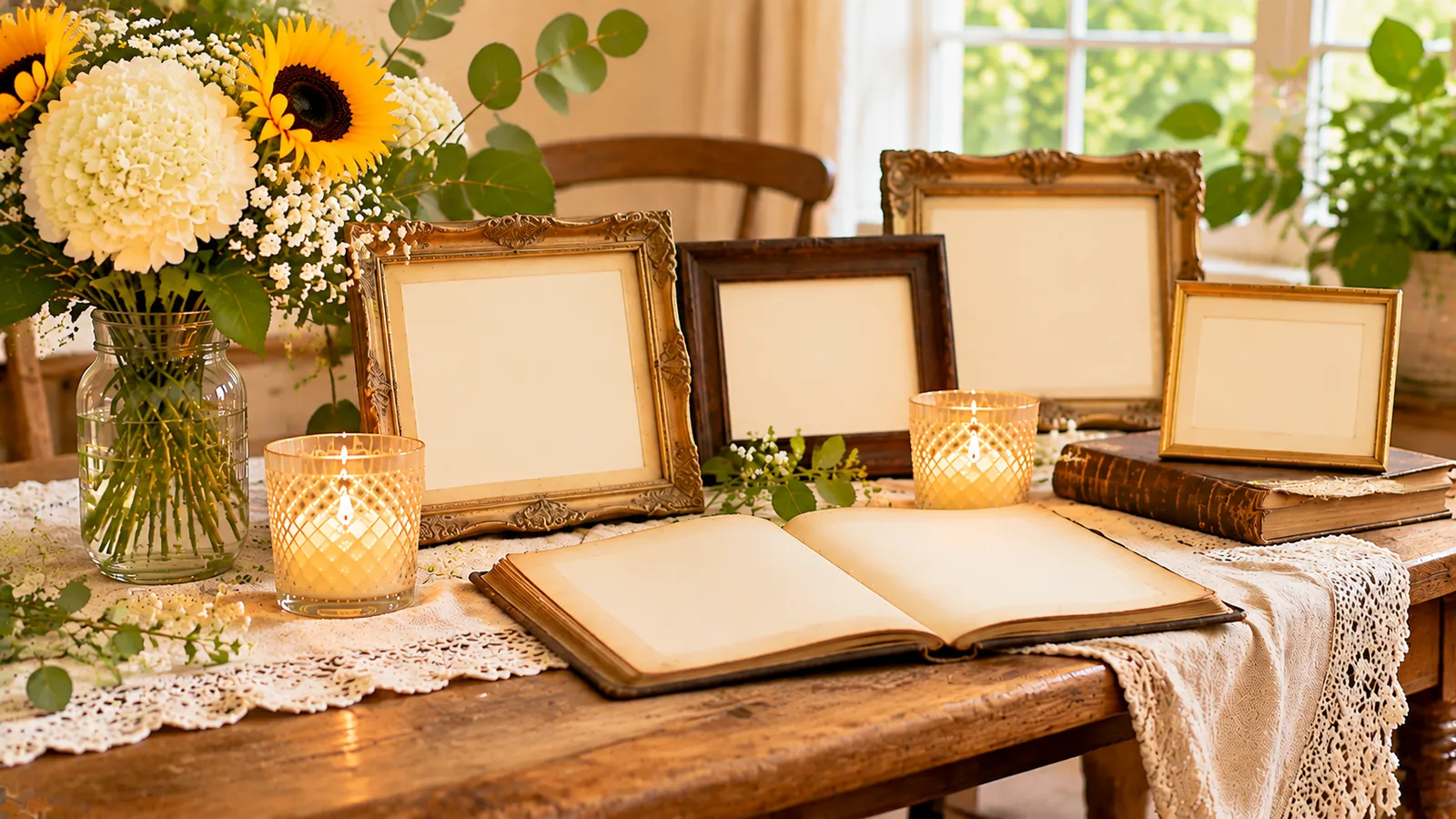
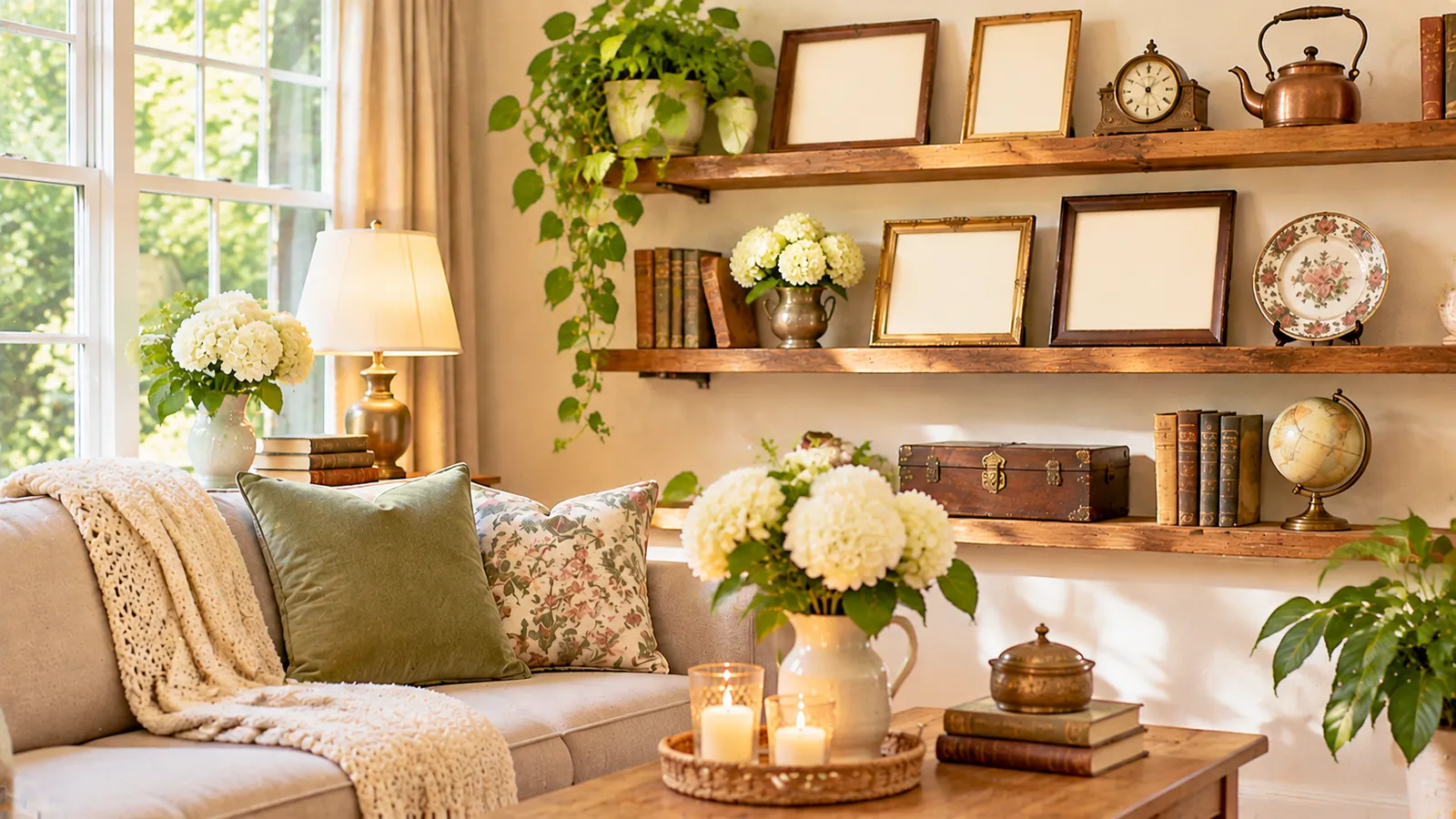
Gather photographs from different generations and arrange them where guests can take their time looking. Include portraits, holiday pictures, wedding photographs, childhood snapshots, and images from family gatherings. You can organize the display by decade, family branch, or the places relatives have called home.
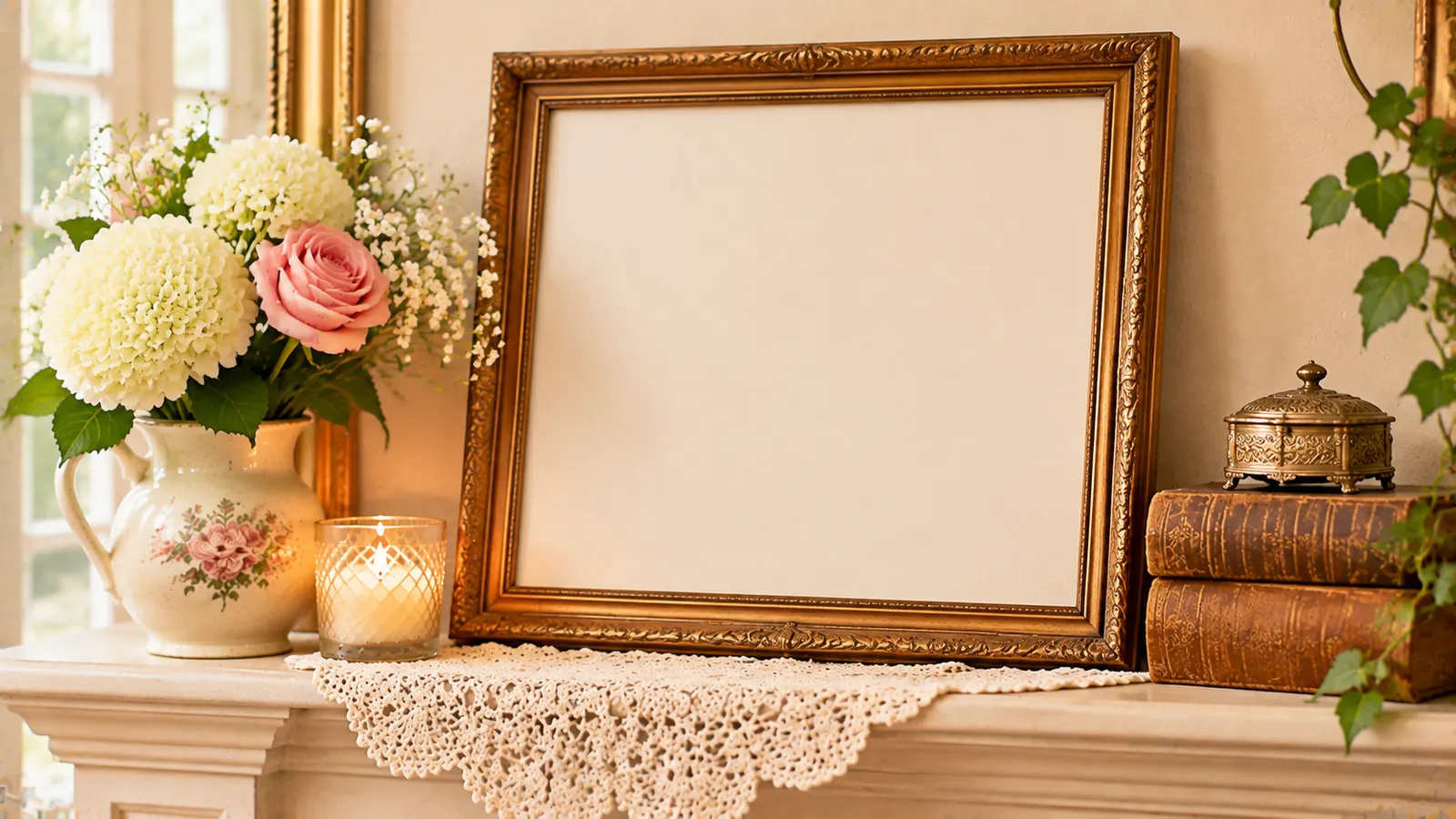
Use frames, a pinboard, a tabletop display, or a simple photo line with clips. Add names and dates only when you are confident they are correct, and ask relatives to help identify unfamiliar faces. Leave space for guests to share memories or bring photographs of their own.
Set Up a Family Memory Table
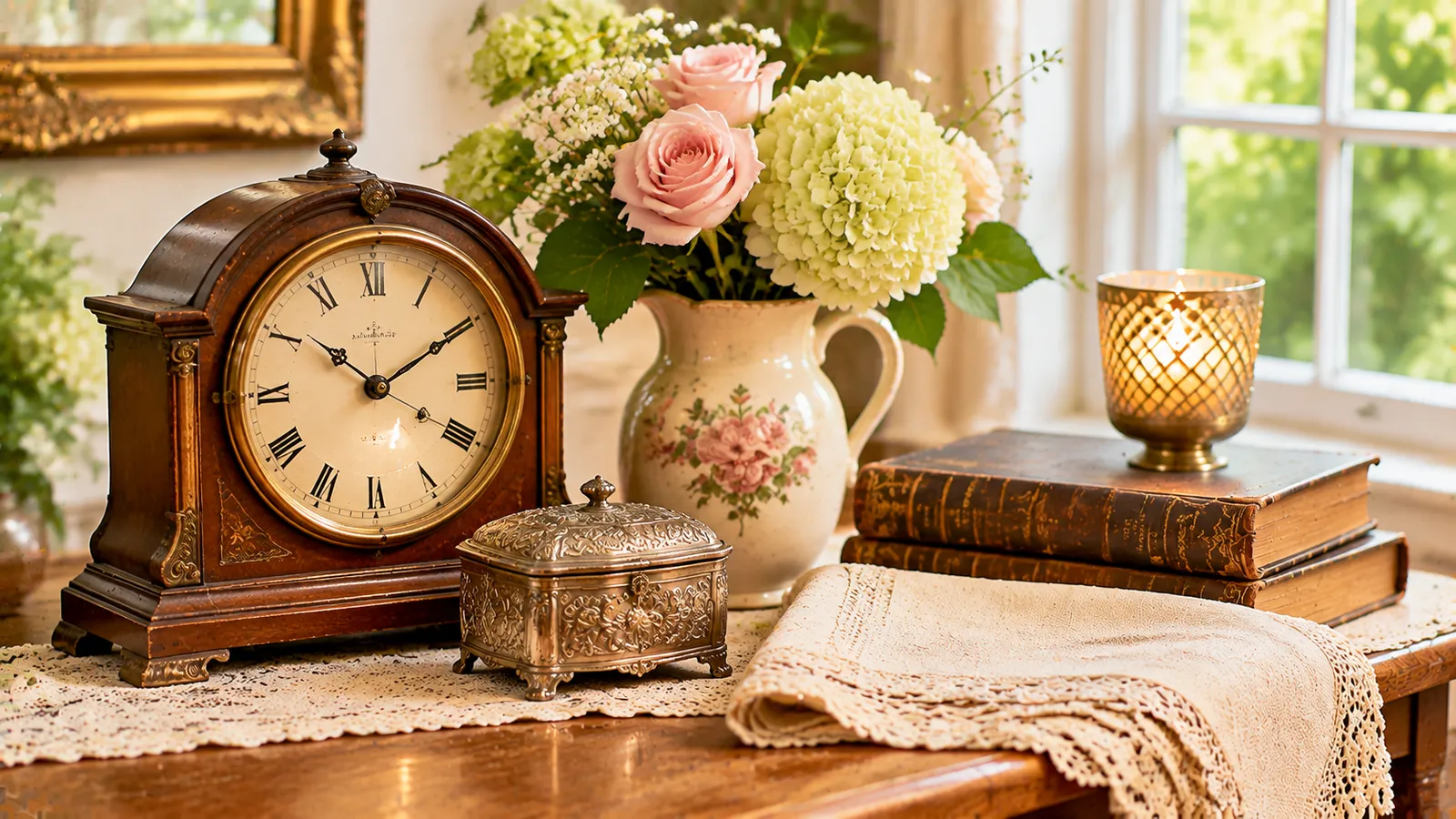
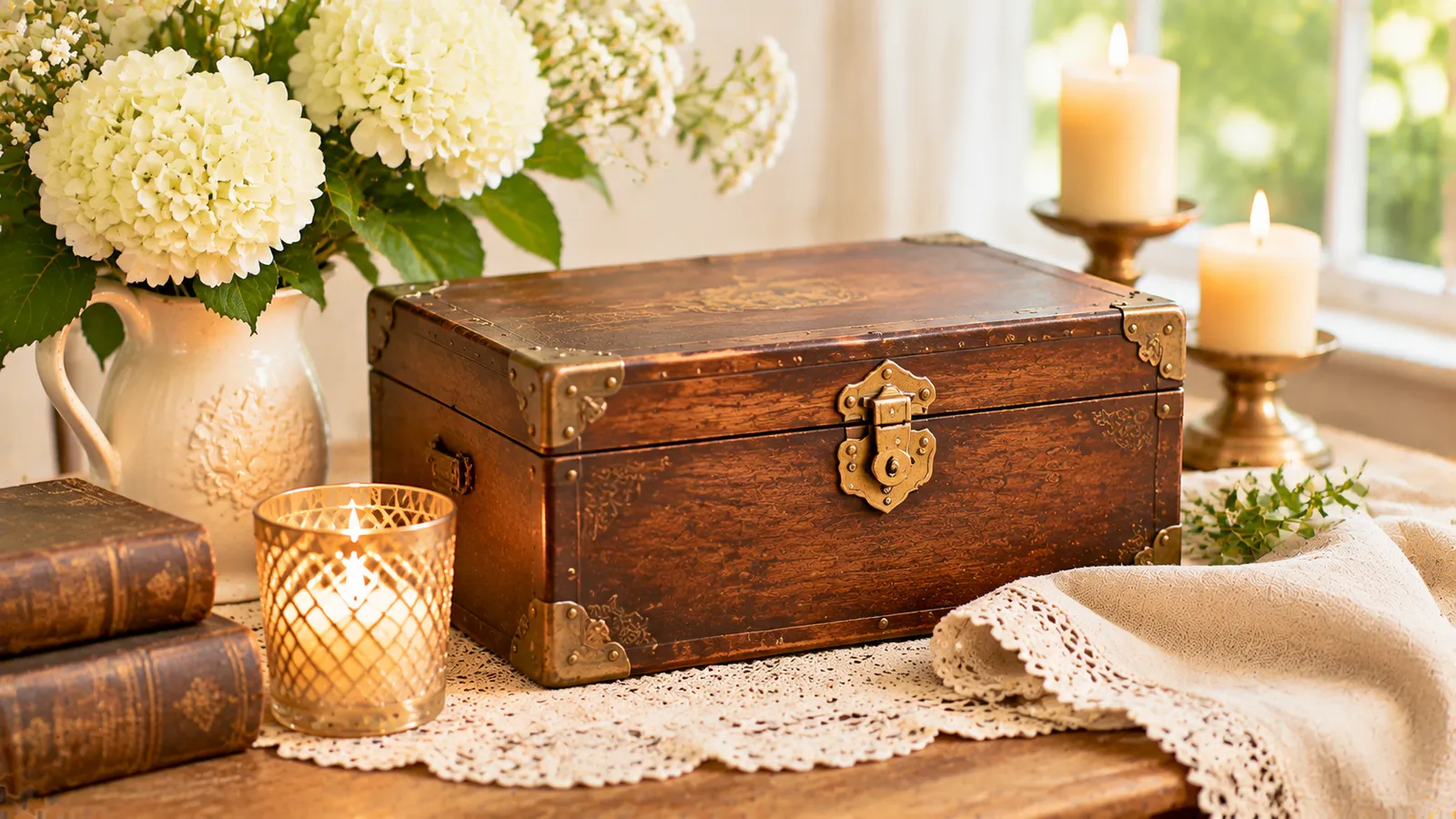
A memory table can bring together objects that tell small parts of your family's story. You might display a well-loved cookbook, a travel souvenir, a handmade item, an old letter, a piece of traditional clothing, or a photograph of a meaningful place. Choose items that are safe to display and that their owners are comfortable sharing.
Arrange the objects with enough space for guests to view them without handling fragile pieces. Small cards can explain who an item belonged to or why it matters. Keep explanations brief and personal, and avoid presenting uncertain family stories as confirmed facts.
Serve Traditional Family Recipes
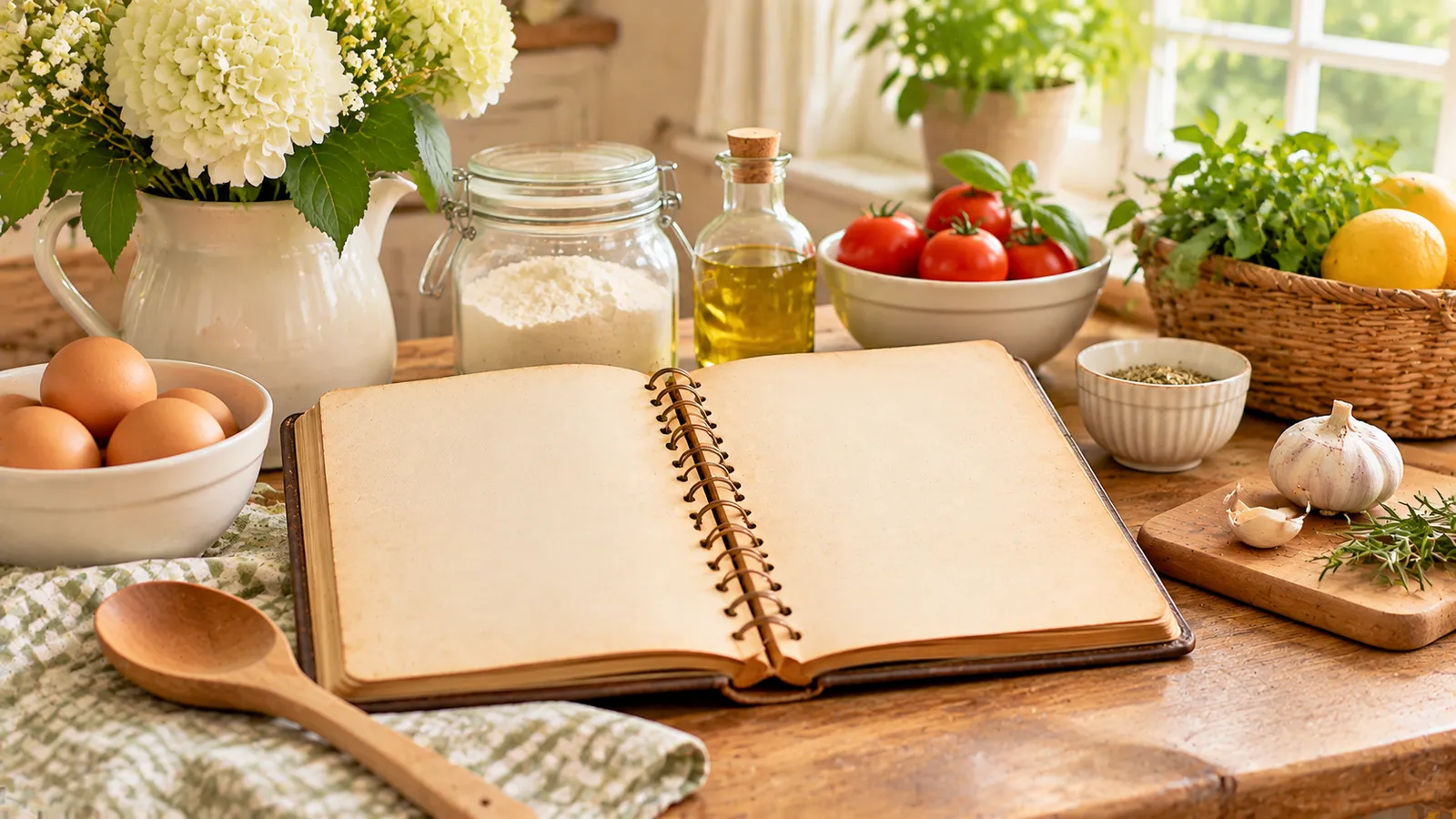
Food is often one of the easiest ways to share heritage across generations. Ask relatives which dishes they remember from childhood or which recipes are served at important family gatherings. A menu might include a traditional main dish, favorite sides, homemade bread, desserts, or drinks connected to family celebrations.
Invite relatives to contribute a dish if they would enjoy doing so, but do not make cooking a requirement. Place recipe cards beside the food and include ingredient information for guests with allergies or dietary needs. If a recipe has changed over time, let family members share the different versions.
Make a Family Recipe Book
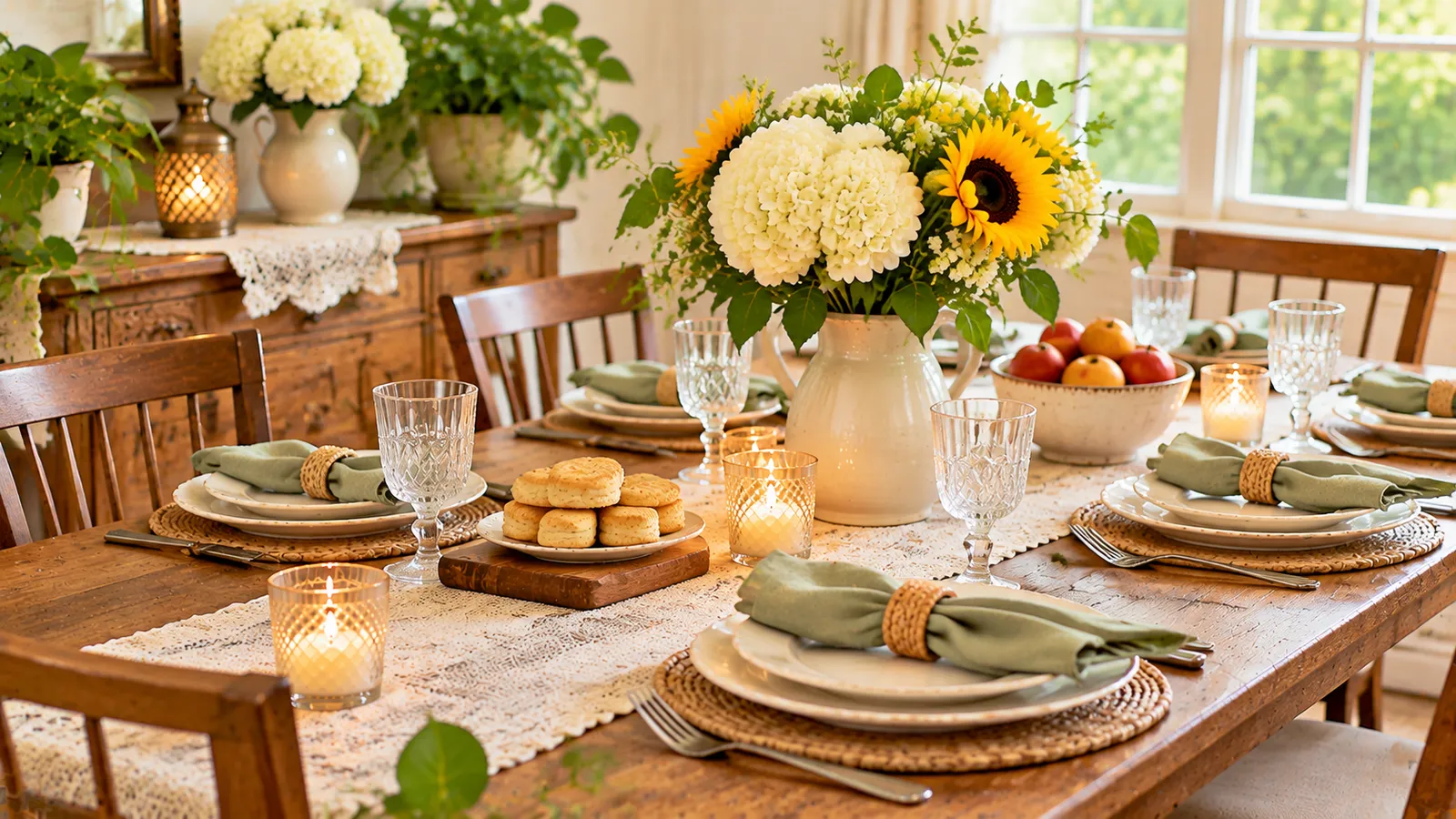
Collect favorite recipes before the event and put them together in a simple printed or digital family recipe book. Ask contributors to include the dish's name, ingredients, directions, and a short note about who made it or when the family usually enjoys it. A small memory connected to the recipe can make the collection especially meaningful.
You can display a few printed pages at the celebration and share the complete collection afterward. Include different kinds of recipes so the book reflects more than one cook or branch of the family. If someone prefers not to share a recipe publicly, respect that choice and leave it out.
Create a Family Tree Display
A family tree display gives guests a visual way to understand how generations connect. You can make a simple chart with names and relationships, or use a branching design with space for photographs. Keep the layout readable and avoid squeezing too much information onto one board.
Check names, dates, and relationships with relatives before printing the display. Some family histories include adoption, stepfamilies, chosen family, name changes, or details that people prefer to keep private. Use the terms family members are comfortable with and let the display reflect the family's wishes.
Invite Relatives to Share Family Stories
Set aside a comfortable area where relatives can tell stories about childhood, important journeys, family traditions, or memorable celebrations. A few open questions can help people get started, such as asking about a favorite family meal or a tradition they hope younger generations will remember.
Keep the conversation relaxed and give everyone the choice to participate or simply listen. Some stories may be funny, while others may be personal or emotional. Let relatives decide what they want to share, and avoid pressuring anyone to discuss experiences they would rather keep private.
Play Music Connected to Your Heritage
Music can help set the mood and bring back memories. Create a playlist with songs relatives grew up hearing, music from meaningful celebrations, or traditional pieces connected to the family's cultural background. If several generations have different favorites, include a little from each.
Play the music at a comfortable volume so guests can still talk. You could invite a relative to explain why a song matters or share a memory connected to it. If family members speak different languages, music can be a gentle way to make room for those connections without requiring anyone to perform.
Decorate With Meaningful Cultural Details
Choose decorations that reflect the traditions and places important to your family. Textiles, patterns, colors, flowers, tableware, handmade crafts, or photographs of familiar landscapes can help create a personal setting. Whenever possible, use items already owned by relatives or borrow pieces that have a story behind them.
Be thoughtful when using cultural symbols or objects. Ask family members about their meaning and avoid treating sacred or ceremonial items as ordinary party props. A respectful display does not need to be elaborate; a few meaningful details are often enough to make the room feel connected to your family's story.
Plan a Family Heritage Map
A map can show the places that have played a role in your family's history. Mark hometowns, places where relatives grew up, countries or regions connected to family stories, and places where family members live today. You can use a large printed map, a framed map, or a simple board with pins and notes.
Invite guests to add a location or share a memory about a place. Make sure the map reflects information relatives are comfortable sharing, especially when it includes current addresses or sensitive travel histories. The activity can be as simple as pointing out places and talking about what makes them meaningful.
Prepare Activities for Different Generations
Choose a few activities that make it easy for children, adults, and older relatives to take part. Children might enjoy drawing a family memory, decorating a recipe card, or matching old photographs with names. Adults can help collect stories, while older relatives may enjoy sharing traditions or looking through keepsakes.
Offer both seated and more active options, and make every activity optional. Keep craft materials age-appropriate and easy to tidy away. The aim is to create natural chances for relatives to spend time together, not to turn the celebration into a busy schedule.
Display Traditional Clothing and Handmade Items
Clothing, quilts, embroidery, jewelry, tools, and handmade objects can help tell the story of family skills and traditions. If relatives are happy to share them, display a few pieces on a table, mannequin, or secure hanging rack. Add a short note explaining who made or used the item and what is known about its history.
Handle older or delicate items with care and keep them away from food, drinks, direct sunlight, and crowded walkways. Never borrow or display something without the owner's permission. If an item is too fragile to bring out, a photograph can still help guests appreciate it.
Create a Family Keepsake or Memory Book
Give guests a simple way to leave something behind for the family collection. Set out blank cards, a notebook, pens, and a few photographs for inspiration. People can write a favorite memory, record a family saying, share a recipe, or add a message for younger generations.
After the celebration, gather the contributions into a scrapbook, binder, or digital folder. Add the date and a few photographs from the event so the collection has context. Ask permission before sharing personal messages or photographs beyond the family group.
Take a Multi-Generational Family Photograph
A group photograph is a simple way to remember who came together for the celebration. Choose a spot with good light and a tidy background, such as a garden, porch, or open area near the main gathering space. If possible, take the photograph early while guests are still arriving and everyone is feeling fresh.
Take a few smaller group pictures as well, such as by household or family branch. Include chairs for anyone who prefers to sit and leave enough room for guests with mobility needs. Ask before posting photographs online, especially when children or relatives who value privacy are included.
End With a Shared Family Tradition
Close the celebration with a tradition that feels natural to your family. It might be sharing a favorite dessert, singing a familiar song, saying a few words of thanks, telling one final story, or passing around a meaningful keepsake. A small shared moment can give the gathering a warm ending without requiring a formal program.
You could also choose one tradition to carry forward, such as adding a new family photograph each year or collecting one recipe at every gathering. Keep the idea manageable so it is easy to repeat. The most important part is making time to appreciate the people, stories, and connections that brought everyone together.
Frequently Asked Questions
What is a family heritage celebration?
A family heritage celebration is a gathering that recognizes a family's history, traditions, stories, and cultural connections. It can include photographs, traditional food, music, keepsakes, and activities that bring different generations together.
How do you plan a family heritage celebration?
Choose a comfortable location, invite relatives, and decide which parts of your family story you would like to highlight. Ask family members to contribute photographs, recipes, stories, or meaningful objects, then plan a simple menu and a few optional activities.
What food should you serve at a family heritage party?
Serve dishes that have meaning to your family, such as traditional recipes, favorite holiday foods, or meals remembered from childhood. You can invite relatives to bring a dish and provide ingredient information so guests can make informed choices.
How can children take part in a family heritage celebration?
Children can help arrange photographs, decorate recipe cards, draw a family map, make a memory page, or listen to relatives share stories. Keep activities age-appropriate and let children participate at their own pace.
Related Ideas
15 Baby Shower Ideas for a Beautiful Celebration
15 Co-Ed Baby Shower Ideas for a Fun, Welcoming Party
15 Gender Reveal Party Ideas for a Memorable Celebration
15 Gender Reveal Dinner Ideas for a Special Night
15 Gender Reveal Balloon Pop Ideas for a Fun Surprise
15 Baby Sprinkle Ideas for a Sweet, Simple Celebration
15 Sip and See Party Ideas for a Sweet Baby Welcome
15 Welcome Baby Party Ideas for a Joyful Celebration
15 Birth Announcement Celebration Ideas for Families
15 Nursery Reveal Party Ideas for a Sweet Baby Celebration
15 Adoption Celebration Ideas for a Meaningful Family Day
15 Adoption Finalization Party Ideas for a Joyful Day
15 Pregnancy Announcement Party Ideas to Share the News
15 Pregnancy Milestone Celebration Ideas for Every Stage
15 Maternity Celebration Ideas for a Special Day
15 Push Present Celebration Ideas for a New Mom
15 First Mother's Day Celebration Ideas for a New Mom
15 First Father's Day Celebration Ideas for a New Dad
15 Baby's First Christmas Ideas for a Special Celebration
15 Baby's First Easter Ideas for a Sweet Celebration
15 Baby's First Halloween Ideas for a Sweet Celebration
15 Baby's First Birthday Party Ideas for a Special Day
15 Baptism Reception Ideas for a Meaningful Celebration
15 Christening Reception Ideas for a Sweet Family Celebration
15 Naming Ceremony Ideas for a Meaningful Celebration
15 Family Reunion Ideas for a Fun Family Gathering
15 Family Game Night Ideas for a Fun Night at Home
15 Family Picnic Ideas for a Fun Day Outdoors
15 Birthday Party Ideas for Grandparents to Feel Special
15 New Family Home Celebration Ideas for a Special Day
15 Welcome Home Baby Party Ideas for a Sweet Celebration
15 Sibling Announcement Party Ideas to Share the News
15 Grandparent-to-Be Announcement Ideas to Share the News
15 Foster Care Welcome Celebration Ideas for a Warm Start