15 Indigenous Peoples' Day Celebration Ideas for Families
Indigenous Peoples' Day is an opportunity to recognize the histories, cultures, and continuing contributions of Indigenous peoples. For families, the day can be a meaningful time to learn together, listen to Indigenous voices, explore local history, and support Indigenous-led work. Rather than treating the occasion as a theme party, focus on thoughtful activities that build understanding and respect.
There is no single Indigenous culture or tradition. Indigenous nations and communities have distinct languages, histories, art forms, and ways of life, and those cultures are living and changing today. The ideas below offer respectful starting points. Whenever possible, use resources created by the specific Indigenous nations or people being discussed, follow local community guidance, and make learning—not imitation—the center of your celebration.
Learn About the Indigenous Nations Connected to Your Area
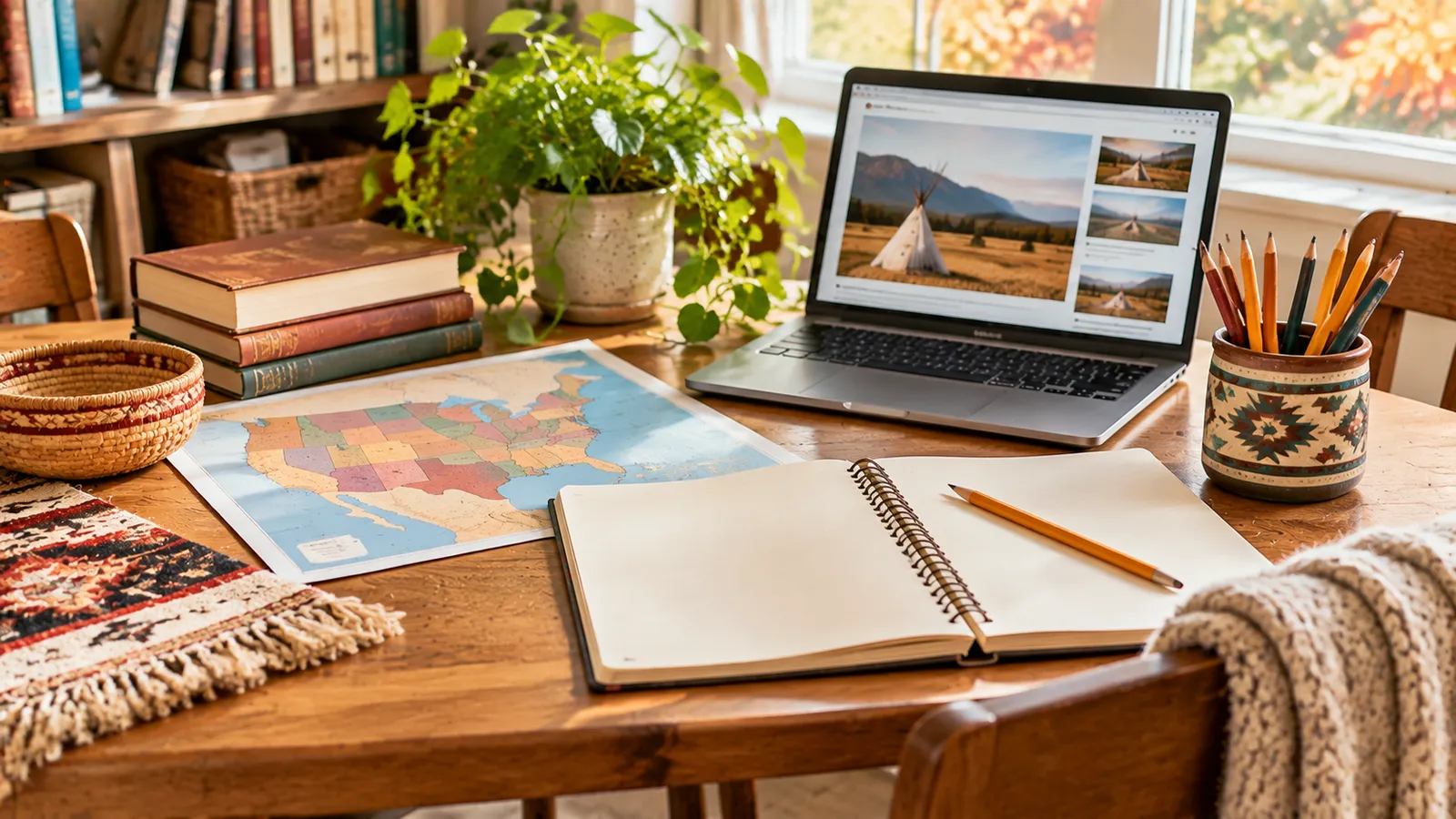
Begin by finding out whose ancestral lands your family lives, learns, or gathers on. Look for information from the nation’s own website, cultural center, tribal government, or Indigenous-led educational organization. A local library or museum may also point you toward reliable resources.
Make a simple family learning page with the nation’s name, its official website, and a few facts that the community itself shares publicly. Explain that Indigenous peoples are not only part of the past; many nations have thriving communities, governments, artists, educators, and businesses today.
Read Books by Indigenous Authors
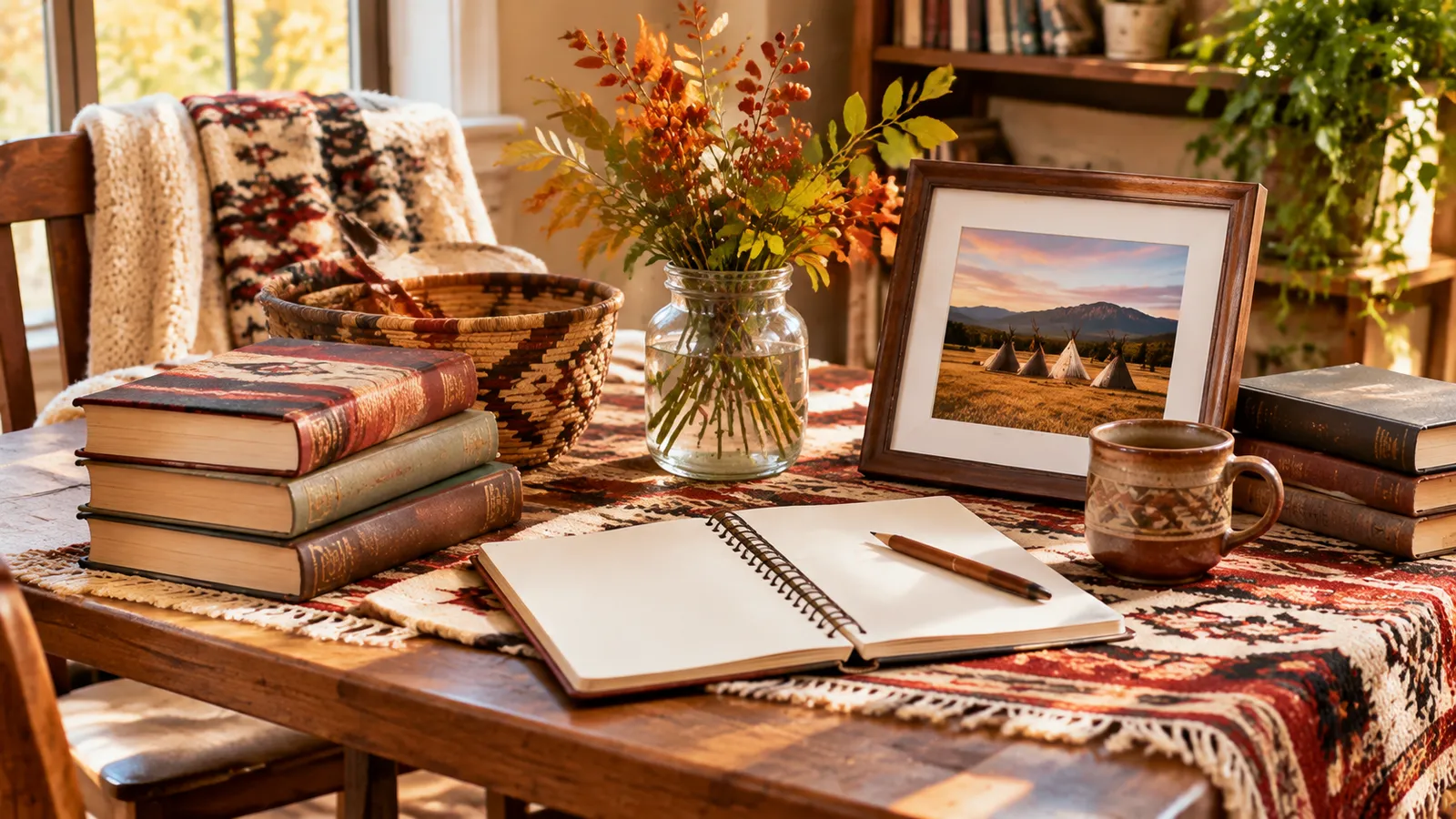
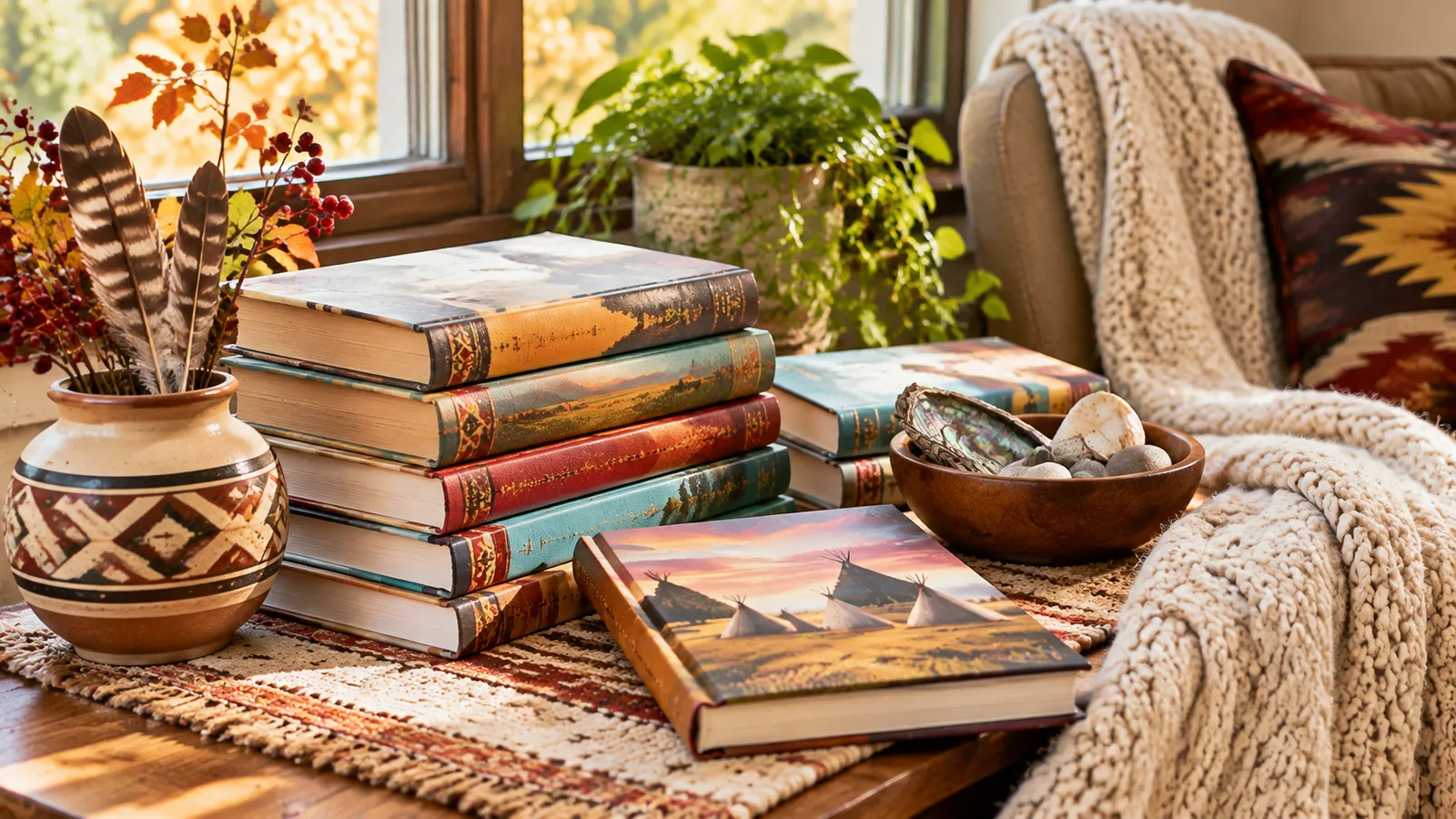
Choose picture books, novels, poetry, or nonfiction written and illustrated by Indigenous creators. A children’s story can open a conversation about family, community, land, language, identity, and everyday life, while books for older readers can introduce history and contemporary issues in greater depth.
Visit your library or an Indigenous-owned bookstore and ask for recommendations by authors from the nations or regions you are learning about. Read together, talk about what stood out, and make space for questions. Check author biographies and publisher information so your selections genuinely center Indigenous voices.
Watch Indigenous-Made Films and Documentaries
Choose a film, short documentary, or episode created by Indigenous filmmakers. Look for stories that reflect a range of genres and experiences, including family life, comedy, science, history, contemporary art, and community leadership. This helps children see Indigenous people as full, diverse individuals rather than a single historical subject.
Before watching, read the description and check the age rating. Afterward, discuss whose perspective the film shared and what your family learned. If a film addresses painful history, give children room to talk about their feelings and use trusted educational resources to answer questions.
Explore a Local Museum or Cultural Center
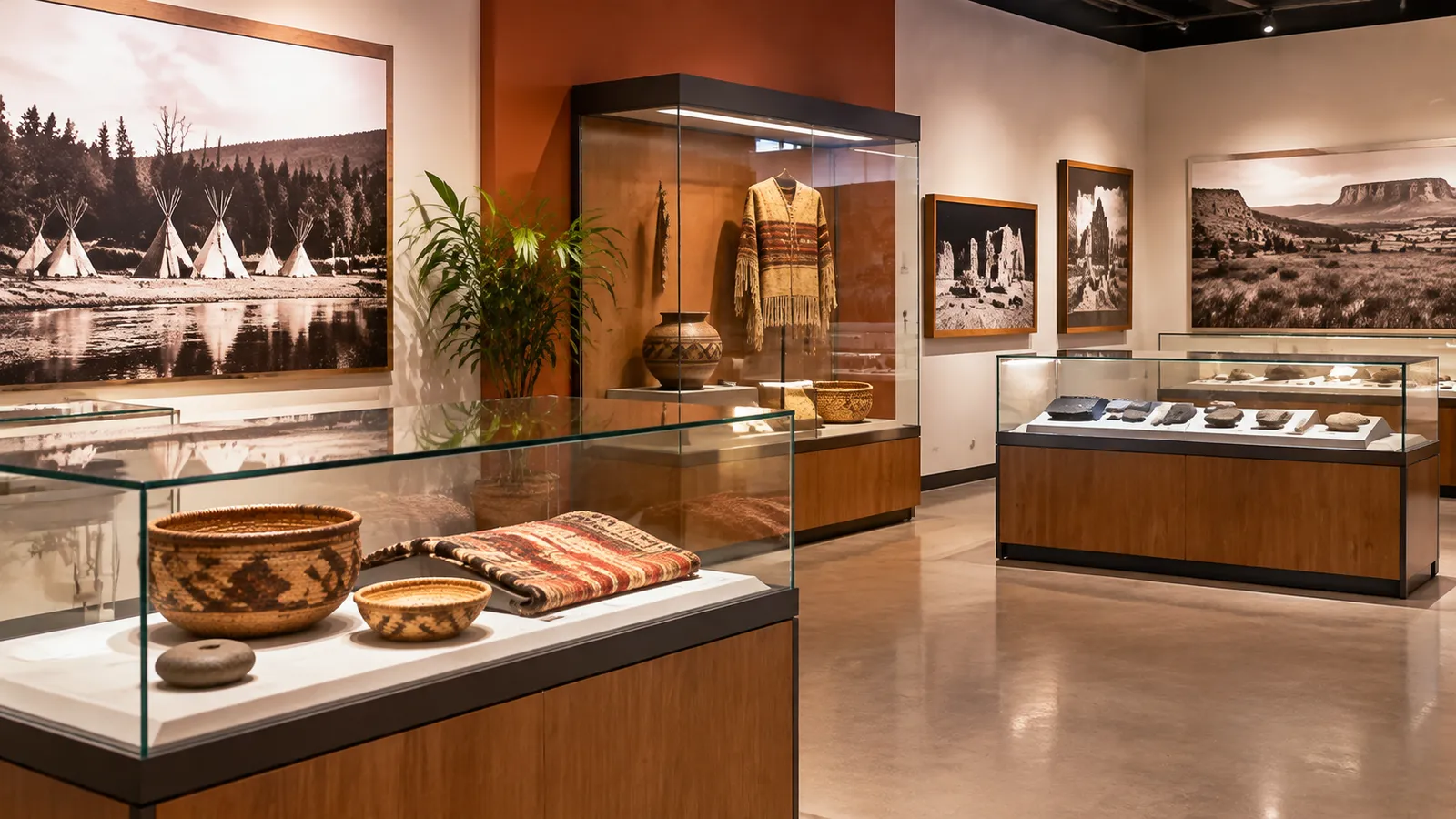
A museum, cultural center, or community exhibit can help families learn through objects, photographs, recordings, and carefully explained historical context. Look for exhibits developed in partnership with Indigenous communities or curated by Indigenous scholars and cultural workers.
Read exhibit labels together and notice whose voices are included. Follow photography and visitor guidelines, especially where an exhibit contains ceremonial or culturally sensitive material. If your area has an Indigenous cultural center or public program, check its own guidance before planning a visit.
Attend an Indigenous-Led Community Event
Look for public events hosted by Indigenous organizations, cultural centers, tribal governments, universities, or Indigenous artists. These may include talks, performances, art markets, film screenings, educational workshops, or community celebrations open to visitors.
Read the event details carefully and respect any limits on attendance, photography, recording, or participation. Attend as a guest, listen more than you speak, and support vendors or organizers when appropriate. Do not assume that every gathering is intended for public visitors.
Listen to Indigenous Musicians and Podcasts
Music and podcasts offer accessible ways to hear contemporary Indigenous creativity and perspectives. Explore artists and hosts who identify their own communities and work, and choose age-appropriate interviews, storytelling programs, or discussions about culture, current events, and creative practice.
Make a family listening session and look up the artists afterward. Talk about the instruments, themes, and ideas you noticed without assuming that one song represents all Indigenous music. If you share a recording, credit the artist and use an authorized platform or link.
Learn a Few Words Through an Indigenous Language Resource
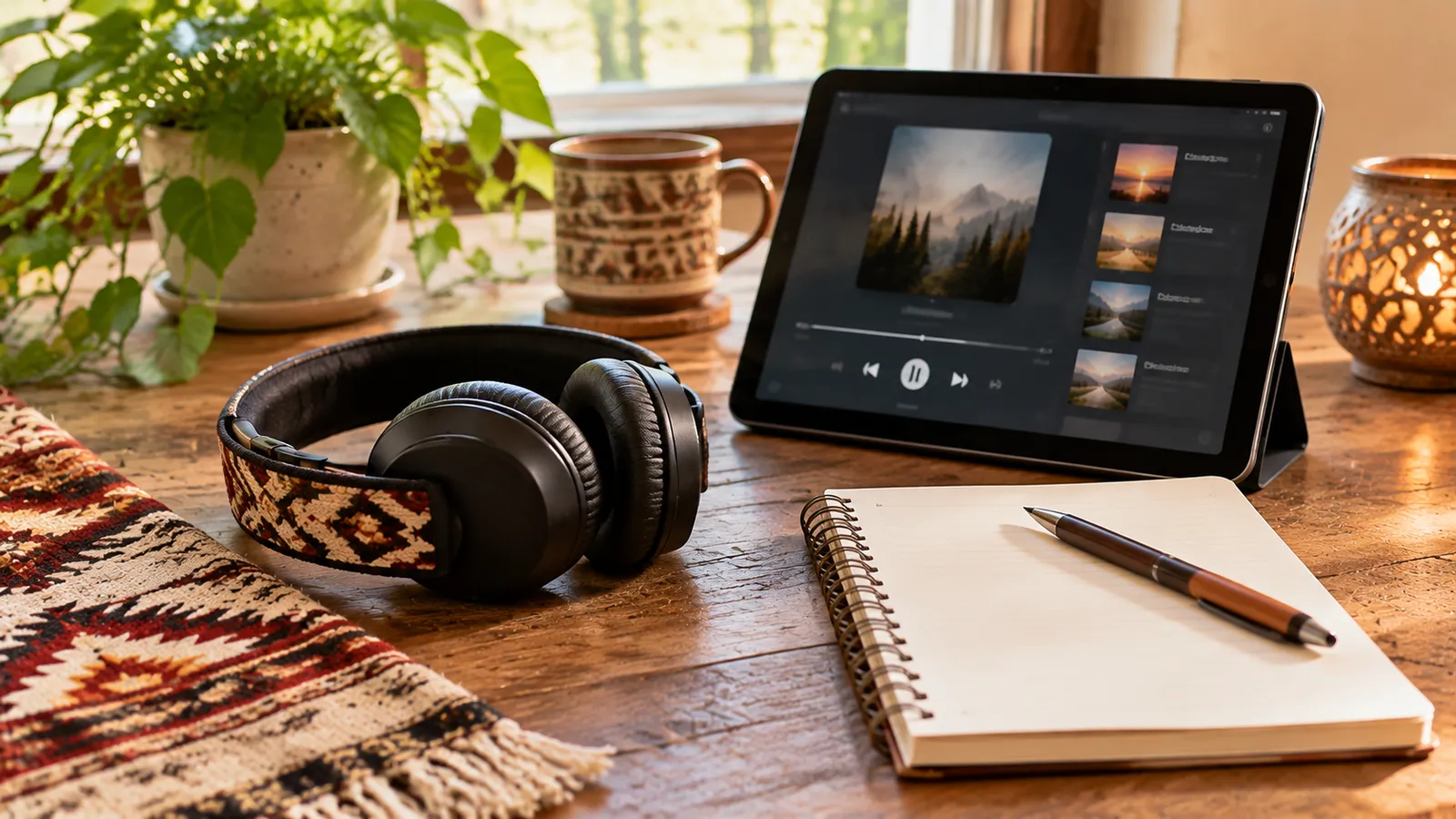
Language is closely connected to identity, place, and community. Some Indigenous nations offer public language-learning resources, pronunciation guides, videos, or online classes. Use materials that the community has chosen to make available rather than copying words from an unverified list.
Choose a small number of words or greetings only when the source explicitly invites learners to use them. Listen to the pronunciation, note the nation and language, and explain that language learning deserves care and ongoing practice. Avoid presenting a few words as if they represent every Indigenous language.
Create an Indigenous Authors and Artists Reading Corner
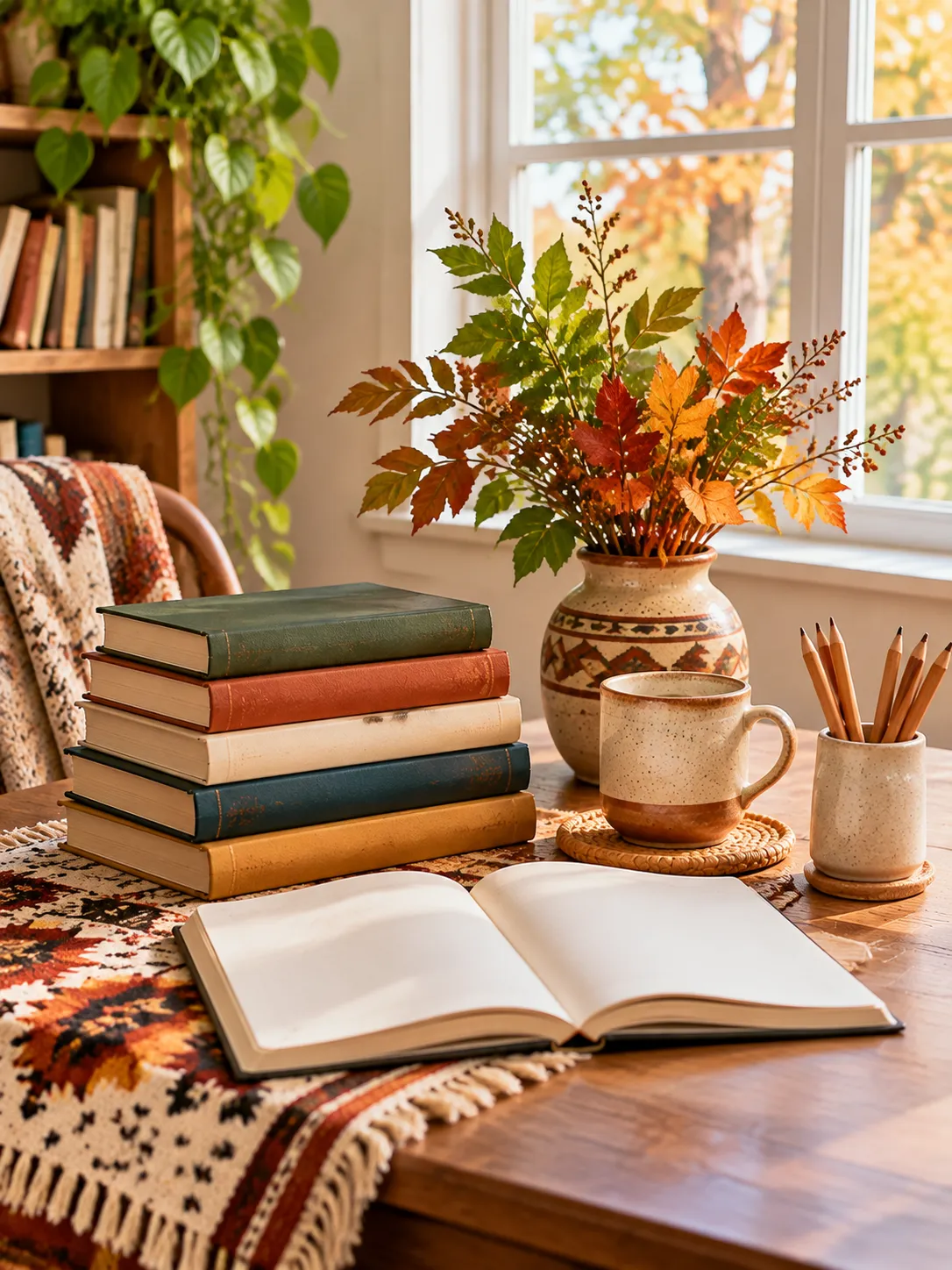
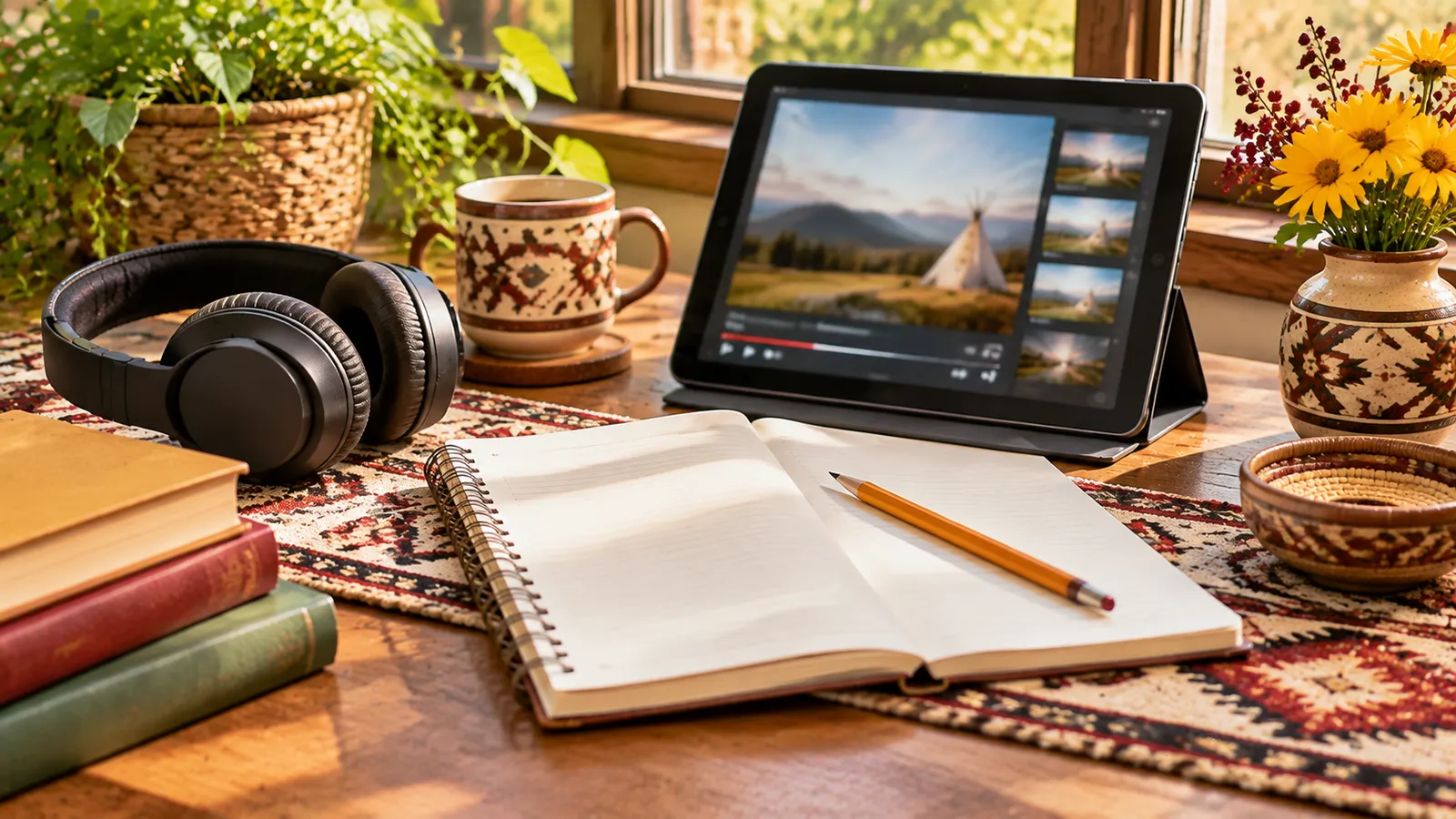
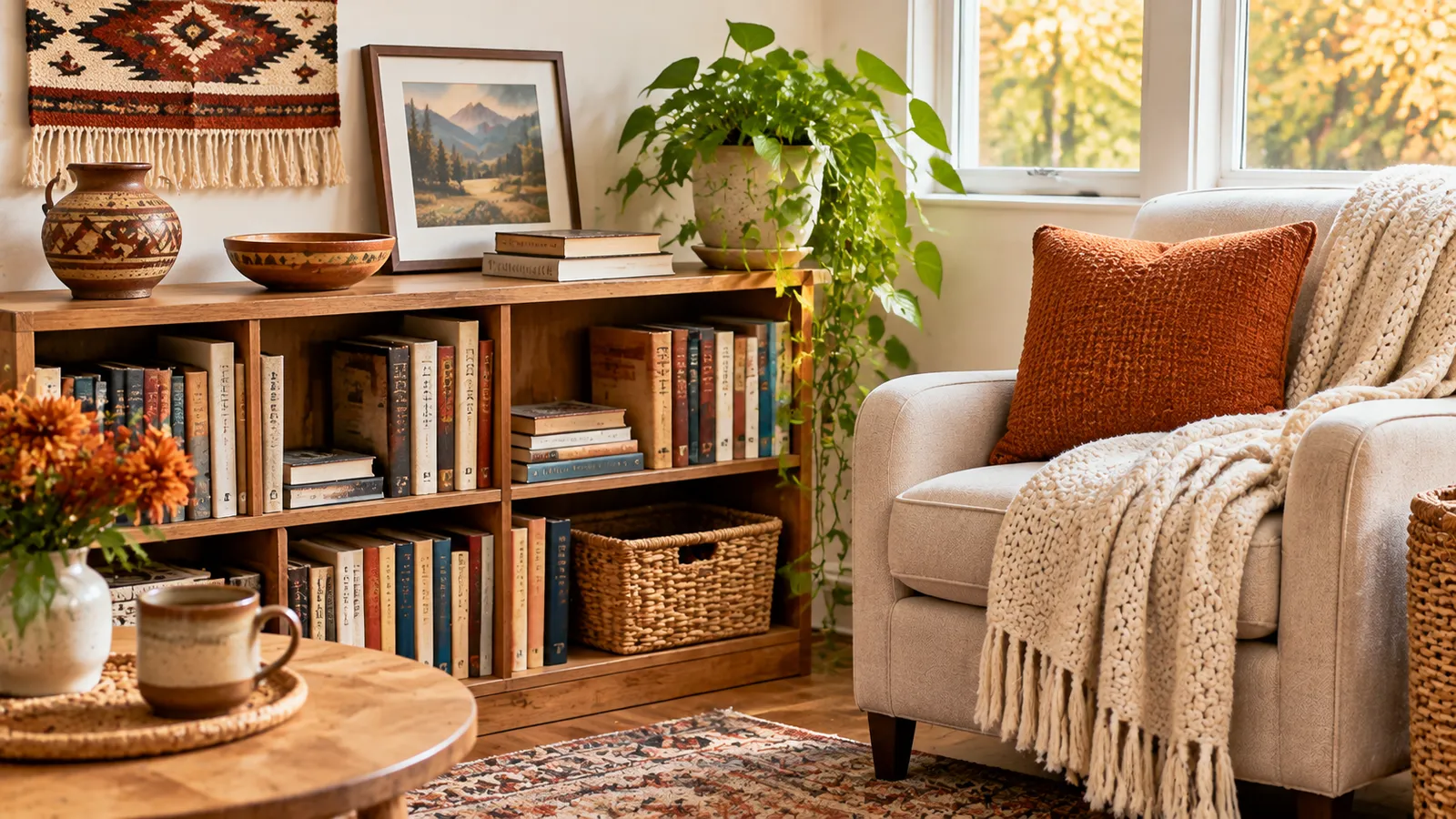
Set up a comfortable place at home with books, art catalogs, interviews, and biographies by Indigenous writers and artists. Include creators from different nations and backgrounds so children can see the variety of voices and subjects represented in Indigenous creative work.
Add a small note beside each book or artwork with the creator’s name and nation or community when that information is publicly shared. Let children choose what to explore first, and keep the materials available beyond the holiday so the learning continues throughout the year.
Explore Indigenous Art Through Artist-Led Resources
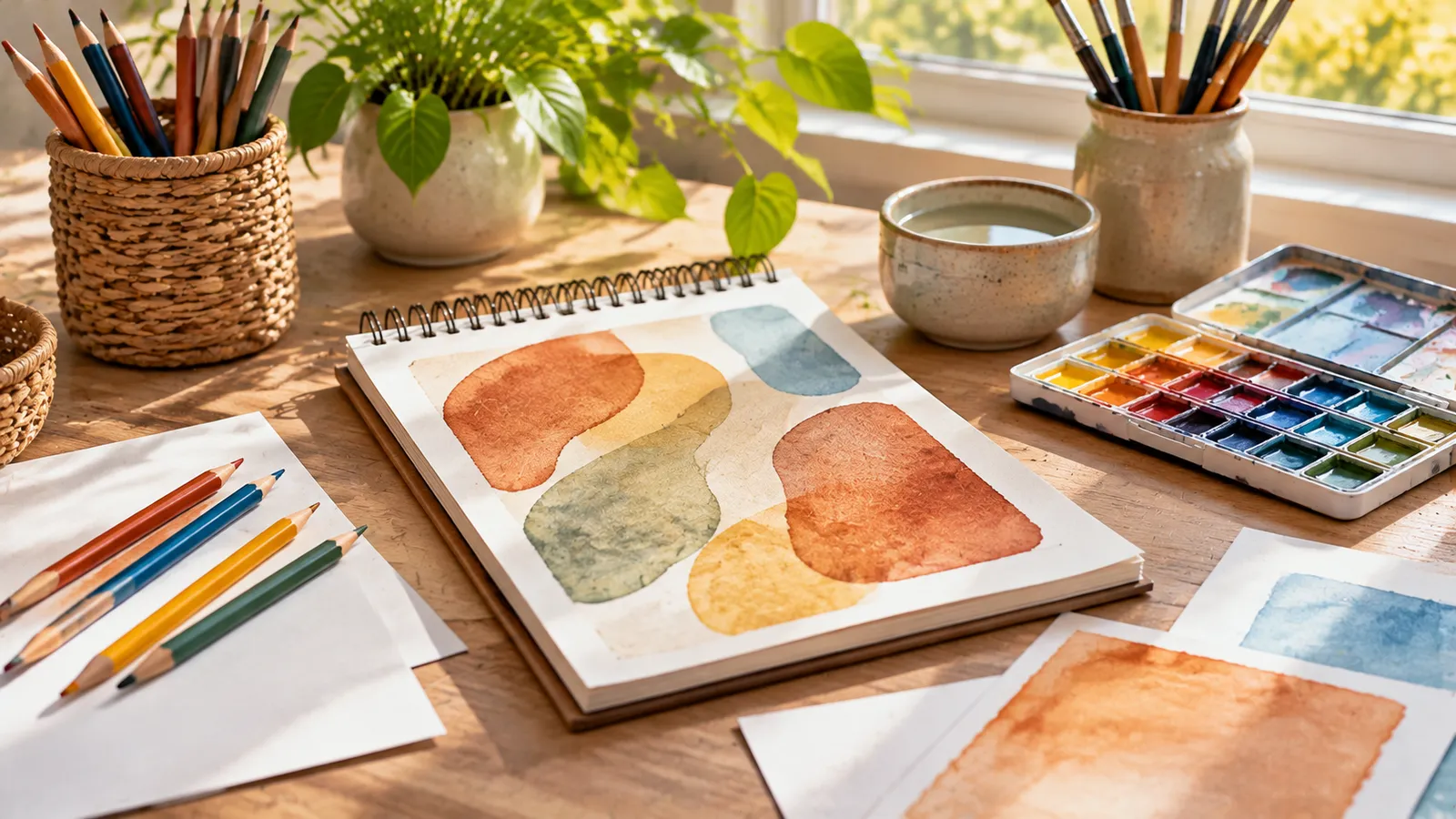
Introduce children to contemporary Indigenous artists through museum collections, gallery websites, artist interviews, and studio videos. Discuss the materials, techniques, subjects, and ideas the artists describe in their own words. Art can be a way to learn about both individual creativity and cultural continuity.
If your family makes art afterward, create an original piece based on your own observations or ideas. Do not copy sacred designs, regalia, clan symbols, or specific cultural patterns as decoration. Explain that some visual traditions have meanings and protocols that belong to particular communities.
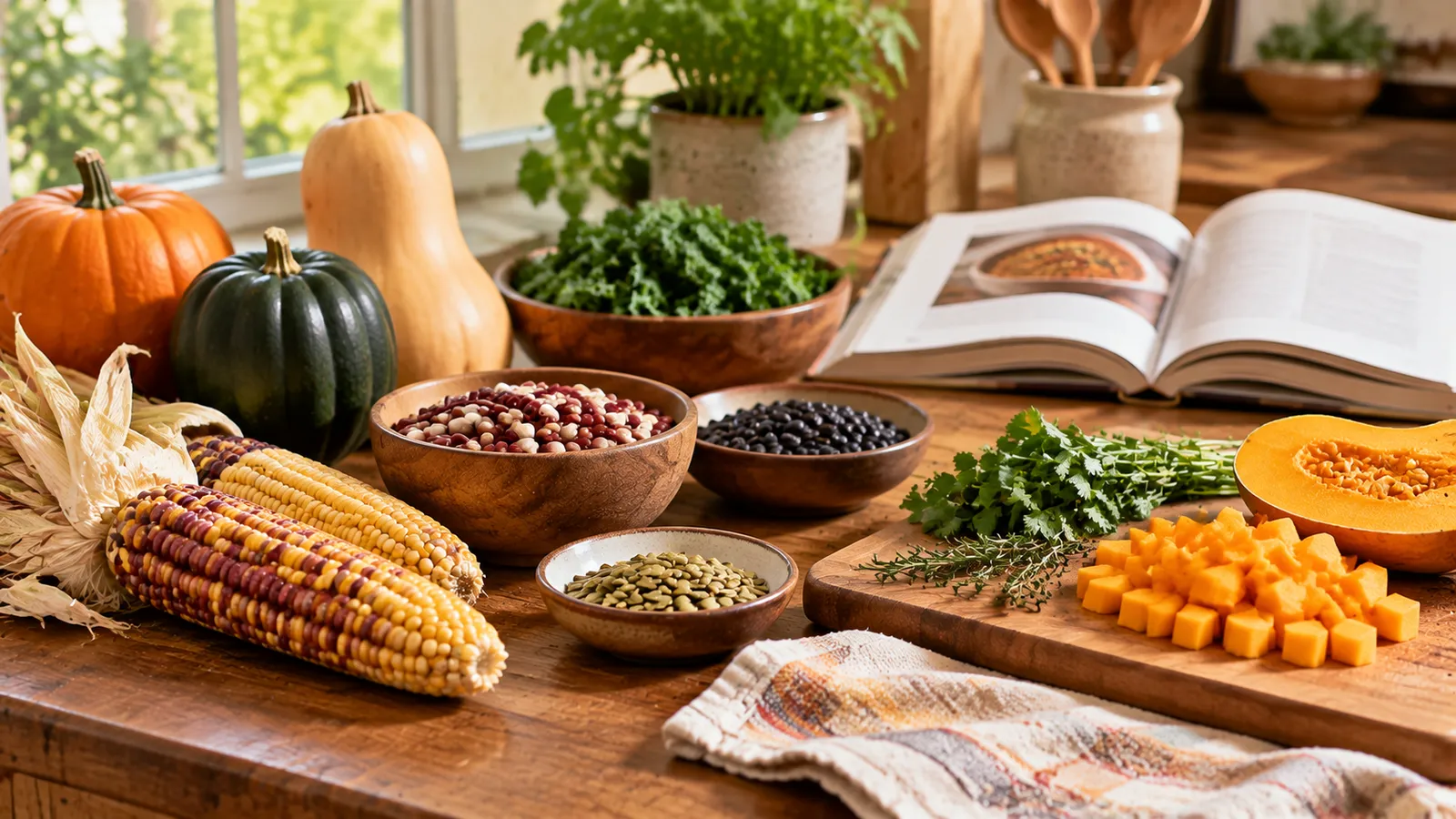
Prepare a Meal Featuring Indigenous Foods
Food can be a thoughtful way to learn about regional ingredients, agricultural knowledge, and food traditions. Explore Indigenous foodways through cookbooks, chefs, food educators, and organizations led by Indigenous people. Ingredients and dishes vary widely by region and community, so choose a specific source rather than relying on stereotypes.
Cook a recipe shared publicly by an Indigenous chef or author, and read about the ingredients’ origins. Talk about how food connects to land, seasons, trade, and family. Give credit to the creator of the recipe, and avoid claiming that one dish represents all Indigenous peoples.
Learn About Indigenous Contributions Today
Make time to explore the work Indigenous people are doing now in science, education, environmental stewardship, public service, business, sports, literature, and the arts. Choose profiles and interviews from trustworthy sources that let people describe their own work and communities.
Ask each family member to choose one person or organization to learn about and share a few facts. This activity helps balance historical learning with recognition of present-day leadership, innovation, and achievement. Keep the focus on the person’s actual work rather than treating them as a symbol.
Support Indigenous-Owned Businesses and Creators
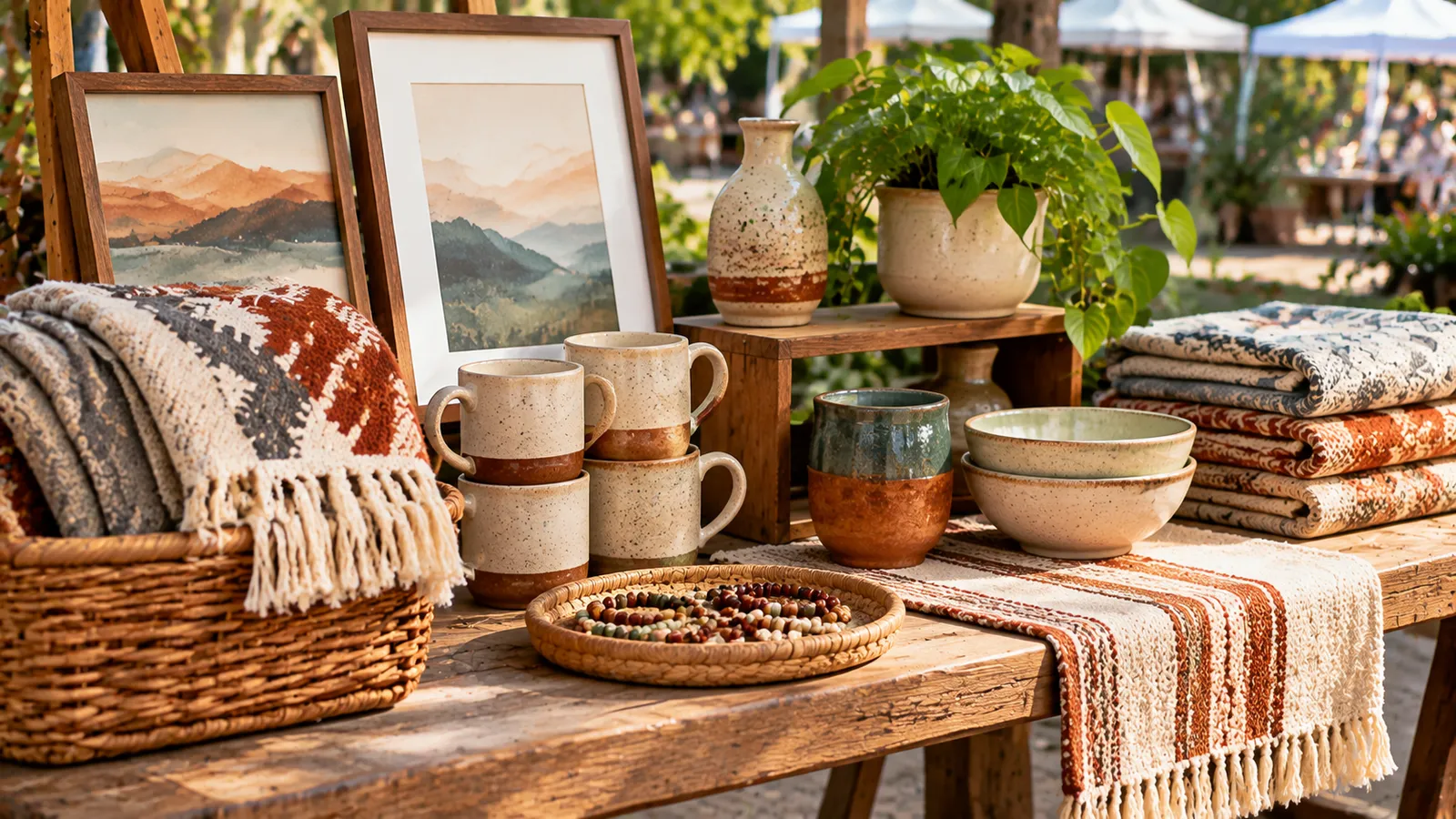
Families can show practical support by discovering Indigenous-owned shops, publishers, artists, makers, restaurants, and service providers. Look for business directories maintained by Indigenous chambers of commerce, community organizations, or the businesses themselves.
If you make a purchase, choose something you genuinely value and pay the listed price. Follow the creator’s guidance about the product and its cultural context. Avoid buying imitation or mass-produced items marketed as Indigenous when the maker’s identity and connection are unclear.
Explore Local History With Reliable Sources
Many communities have complex histories involving Indigenous homelands, treaties, removal, settlement, and ongoing relationships. Use tribal histories, Indigenous-authored books, archival collections, and educational materials created with community input to understand the history of your region.
Keep the discussion age-appropriate and honest. Explain that historical events affected real families and that their consequences can continue today. If sources disagree or leave gaps, say so and look for additional perspectives rather than presenting a simplified story as the whole truth.
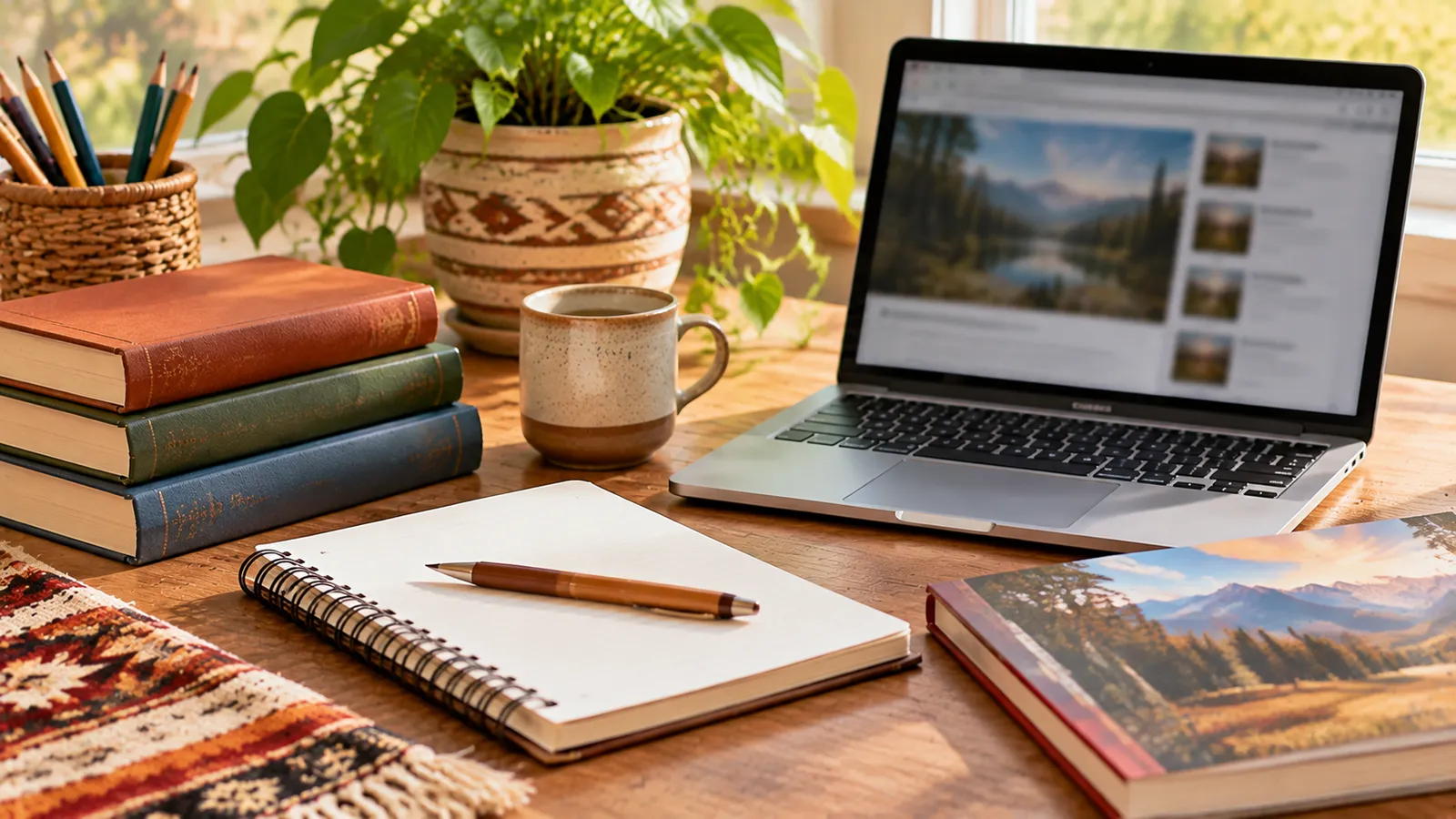
Make a Family Learning and Reflection Journal
A journal gives children a place to record new information, questions, and reflections. They can write a short entry, draw a picture of a book cover, list a new person they learned about, or note a local resource they want to explore further.
Encourage thoughtful questions rather than asking children to imitate cultural practices. Include the source for each fact or recommendation so the family can return to it later. Revisit the journal during the year and add new learning as you discover more Indigenous voices and resources.
Make Learning Continue Beyond the Holiday
The most meaningful way to observe Indigenous Peoples' Day is to treat it as a starting point, not a one-day activity. Choose a book to read over the next month, follow an Indigenous cultural institution, attend a public program when invited, or add Indigenous-created resources to your regular family reading and viewing.
At the end of the day, ask everyone what they learned and what they would like to understand better. Make one realistic plan for continuing that learning. Respectful attention over time is more valuable than a single display or activity that reduces diverse cultures to a holiday theme.
Frequently Asked Questions
What is Indigenous Peoples' Day?
Indigenous Peoples' Day is a day to recognize Indigenous peoples, their histories, cultures, rights, and continuing contributions. Communities observe it in different ways, often through education, cultural events, and support for Indigenous-led organizations.
How can families celebrate Indigenous Peoples' Day respectfully?
Families can learn from Indigenous authors and educators, explore local Indigenous history through community-approved sources, attend public events when invited, and support Indigenous-owned businesses. Avoid costumes, copied sacred designs, or activities that imitate ceremonies and cultural practices.
What activities can children do for Indigenous Peoples' Day?
Children can read books by Indigenous authors, watch age-appropriate films by Indigenous creators, learn about the Indigenous nations connected to their area, explore public museum resources, and keep a journal of questions and discoveries.
Is Indigenous Peoples' Day the same as Native American Heritage Month?
They are related in their recognition of Indigenous peoples, but they are not the same observance. Indigenous Peoples' Day is observed on a particular day in many places, while Native American Heritage Month takes place in November in the United States. Both can be opportunities for learning throughout the year.
Related Ideas
15 New Year's Day Celebration Ideas for a Fresh Start
15 Martin Luther King Jr. Day Celebration Ideas for Families
15 Presidents' Day Celebration Ideas for Families
15 Memorial Day Celebration Ideas to Honor and Remember
15 Juneteenth Celebration Ideas for Families and Friends
15 Fourth of July Celebration Ideas for a Festive Day
15 Labor Day Celebration Ideas for a Fun Holiday Weekend
15 Columbus Day Celebration Ideas for Families