
15 Presidents' Day Celebration Ideas for Families
Presidents' Day is a chance to learn more about the people who have served as president of the United States and the history of the country. For families, the holiday can be a fun opportunity to explore American history through books, crafts, games, food, and simple activities at home. You can keep the day relaxed while giving children a chance to ask questions and discover interesting facts.
You do not need a large party or complicated decorations to make Presidents' Day meaningful. A few red, white, and blue details, a history-themed activity, and time spent learning together can be enough. These Presidents' Day celebration ideas offer ways to bring the family together, enjoy the holiday, and make American history feel more approachable for different ages.
Decorate With a Red, White, and Blue Color Theme
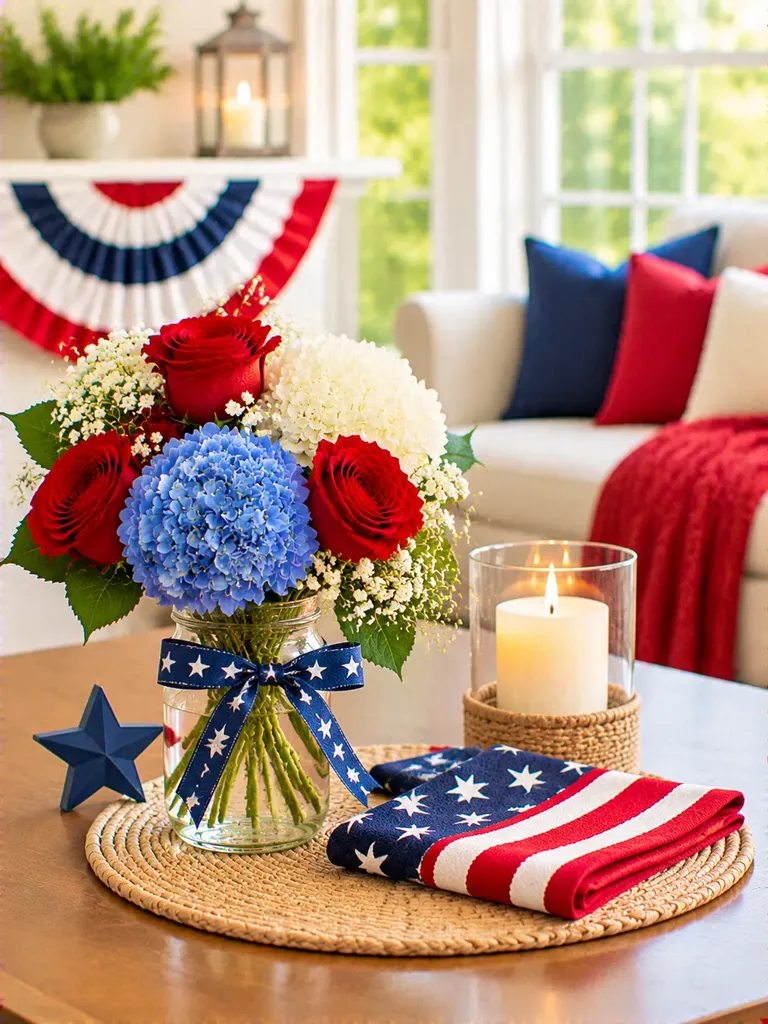
Use a simple red, white, and blue color palette to give your home a festive look for Presidents' Day. Add a few balloons, paper garlands, small flags, or coordinating table decorations in the main gathering area. You can keep the style classic with navy and white or make it brighter with cheerful red and blue accents.
Repeat the colors in a few places rather than decorating every room. A small entry display, dining table centerpiece, and snack station can make the celebration feel connected. Use decorations respectfully and securely, especially if young children will be moving around the space.

Create a Presidents' Day History Corner
Set aside a small area with books, printed historical photographs, maps, and age-appropriate information about the presidents. You might include a simple timeline or a display showing how the role of president has changed over time. Choose a few topics that match the ages and interests of your family.
Keep the information clear and factual, and use reliable educational sources when preparing labels or activity sheets. Invite children to browse the materials and ask questions. The display does not need to cover every president; a few carefully chosen examples can be a useful starting point.

Make a Presidential Timeline Craft
A timeline craft can help children understand the order of presidential terms and connect people with important moments in American history. Provide paper, markers, rulers, and printed names or pictures from reliable sources. Children can arrange the information in order and add short notes about events or historical periods.
Adjust the activity to suit different ages. Younger children might make a simple sequence with a few selected presidents, while older children can include dates and more detailed facts. Check the information together before displaying the finished timeline.

Read Books About American Presidents
Choose children's books, biographies, or illustrated history books that introduce different presidents and their time in office. A library visit before the holiday can help you find materials for a range of reading levels. You might focus on one president or compare several people who served in different periods of American history.
Read together and pause to talk about unfamiliar words, historical events, and questions children may have. Explain that biographies can present different details depending on the author's focus, so it is helpful to use trusted sources. A short reading session can make history feel more personal and accessible.
Host a Presidents' Day Trivia Game
Prepare a family trivia game with questions about the presidency, American symbols, historical events, and well-known facts about past presidents. Keep the questions varied so younger children can answer some while older family members have a few more challenging ones. You can write questions on cards or read them aloud.
Make the game friendly rather than competitive. Let players work in teams or use hints when a question is difficult. If someone gives an incorrect answer, share the correct information and turn it into a quick learning moment. The goal is to enjoy discovering facts together.

Set Up a Patriotic Snack Table
Prepare a snack table with easy foods in red, white, and blue colors. Fresh strawberries, blueberries, yogurt dip, cheese, crackers, and small sandwiches can create a festive spread without requiring complicated recipes. Arrange the food in separate bowls and trays so guests can serve themselves.
Use fresh ingredients and keep foods at safe temperatures throughout the gathering. Add ingredient notes when helpful, especially if guests have allergies or dietary needs. A simple snack table is easy to prepare ahead and gives everyone something to enjoy between activities.
Bake Star-Shaped Cookies or Cupcakes
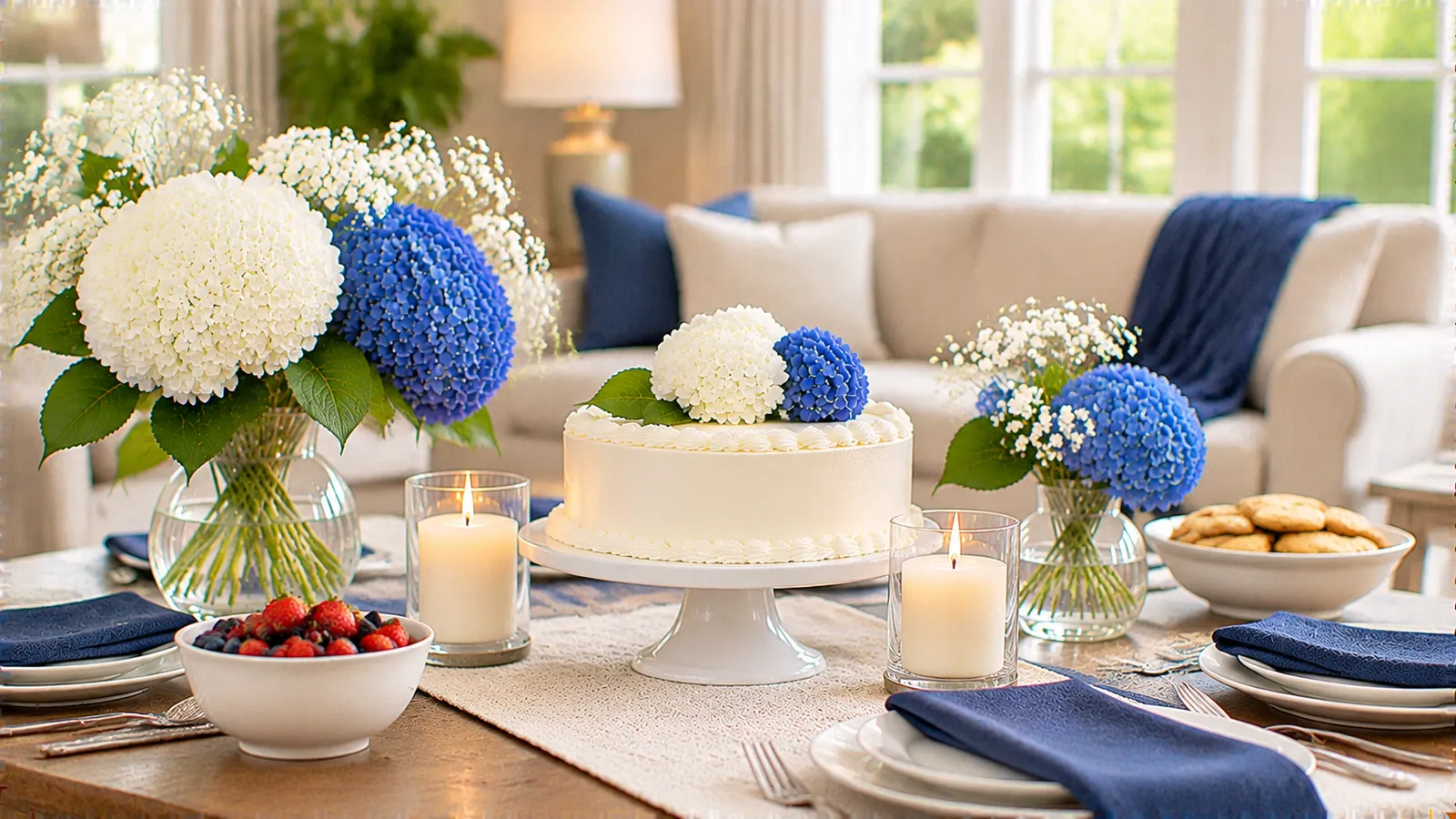
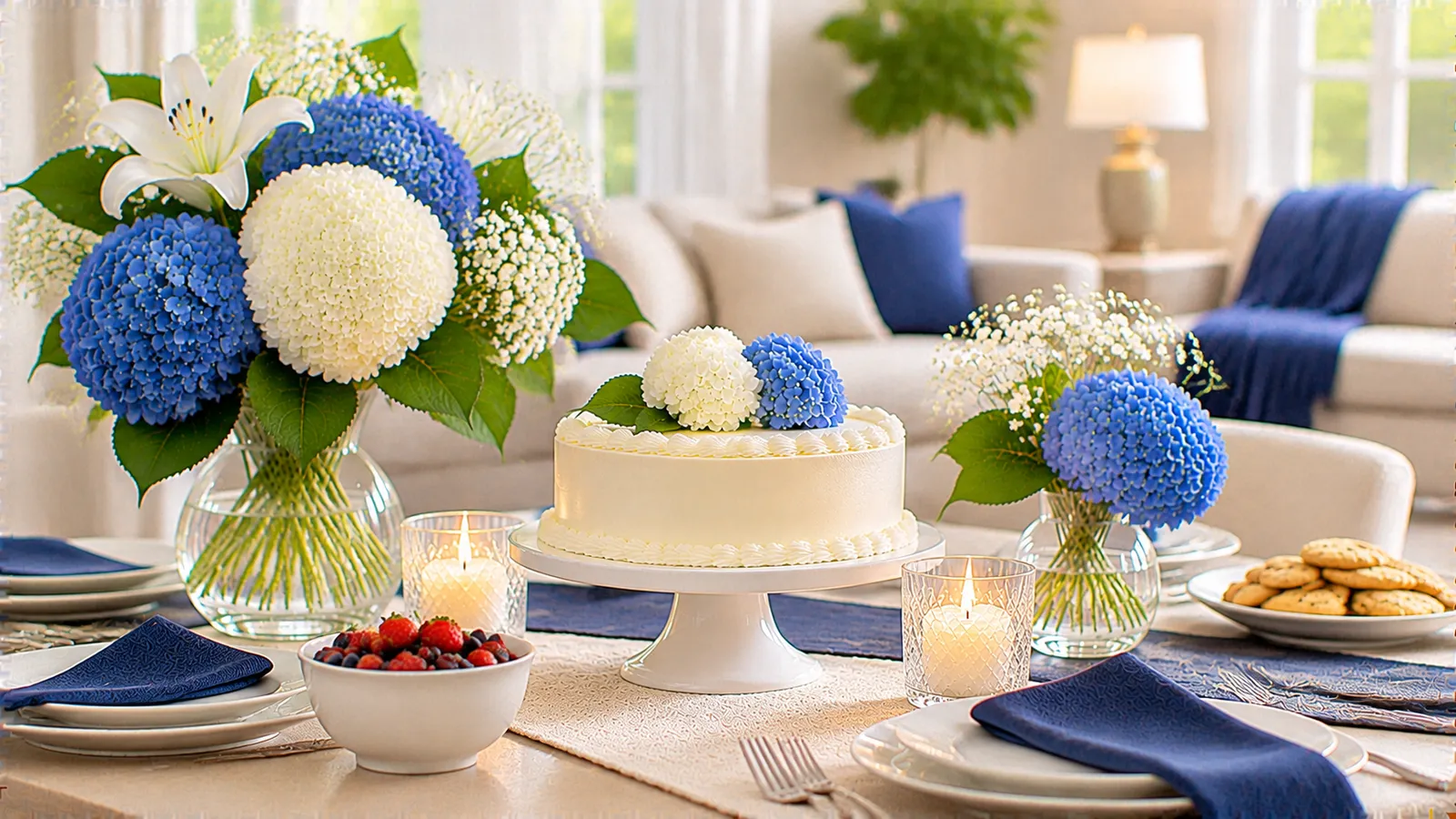
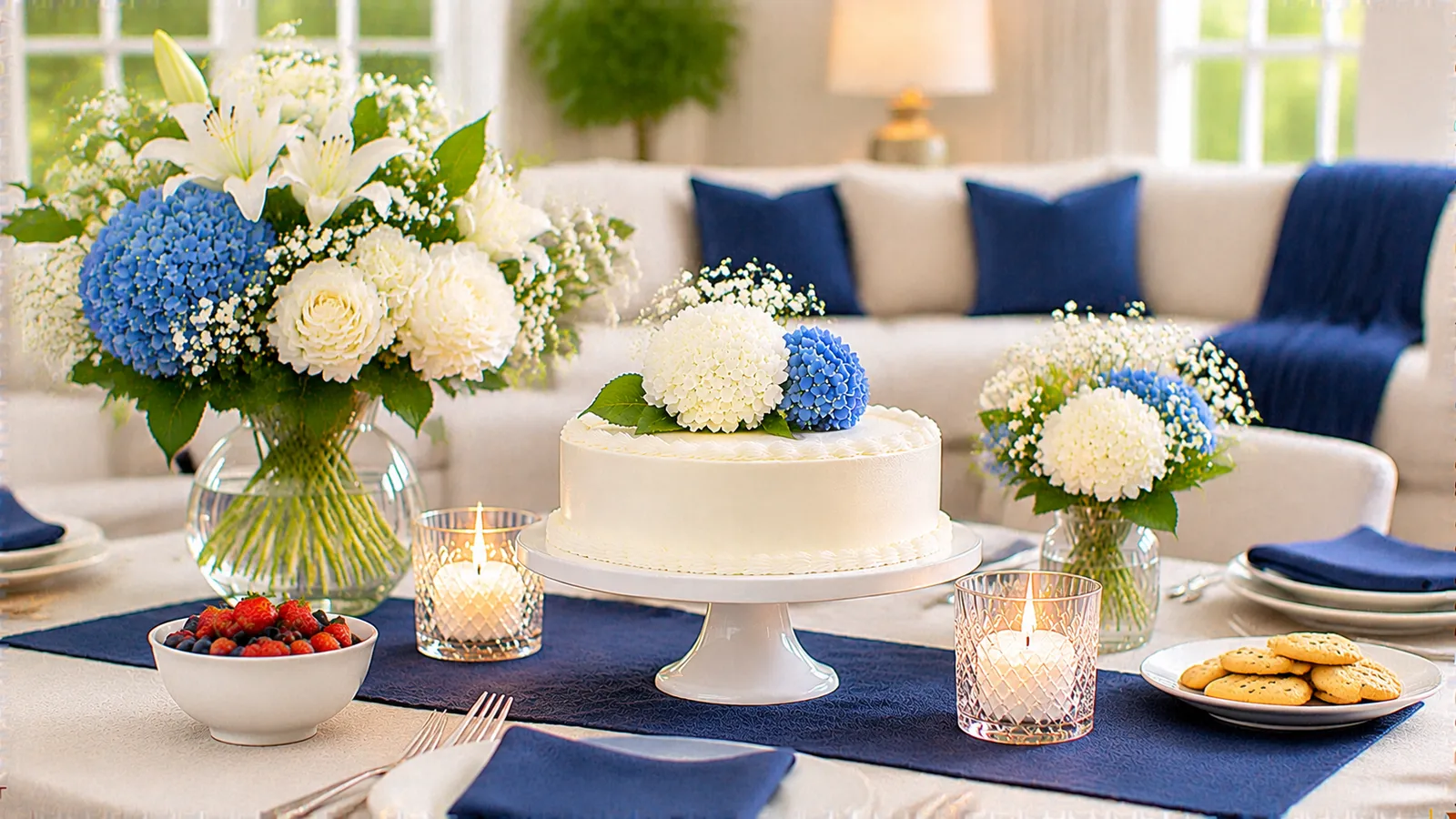
Baking is a fun way to bring children into the celebration. Make star-shaped sugar cookies, cupcakes with red and blue decorations, or a simple cake with a patriotic color theme. Set out the ingredients before starting and choose a recipe that matches the time and skill level available.
Let children help with safe tasks such as mixing, adding sprinkles, or arranging finished treats. Adults should handle hot trays, sharp tools, and any steps that require close supervision. You can decorate the dessert table with a plain runner and a few small flags or paper stars.

Make an American Flag-Inspired Craft
Create a simple flag-inspired craft using construction paper, washable paint, craft sticks, or paper shapes. Children can make a small display for the table or a decorative piece for the family history corner. Talk about the flag's colors and design as part of the activity.
Explain that the flag is a national symbol and encourage children to treat it respectfully. Keep the craft focused on learning and creativity rather than making items that could be mistaken for official flags. Use age-appropriate supplies and supervise scissors, glue, and small pieces.
Explore a Presidential Home or Historic Landmark
If there is a historic site, presidential library, museum, or landmark nearby, consider planning a visit. These places can help families connect historical information with real buildings, objects, and documents. Check visitor information, opening hours, accessibility, and any family programs before setting out.
If a trip is not practical, explore a virtual tour or online educational collection from a trusted institution. Ask children to notice details about the building, objects, or time period and discuss what they learned afterward. A short visit or virtual exploration can add variety to the holiday.

Create a U.S. Presidents Matching Game
Make a matching game with cards featuring presidential names, portraits, or simple facts. Depending on the age group, children can match a name to a picture, connect a president with a historical period, or pair a fact with the correct person. Use a small number of cards at first and add more as players become familiar with the activity.
Check the spelling, images, and facts before printing the cards. Keep the information neutral and accurate, and avoid turning the activity into a ranking of presidents. The game works well at a dining table and can be played more than once during the day.
Watch an Age-Appropriate History Program
Choose a documentary, educational video, or historical program about the presidency or an important period in American history. Preview the content to make sure it is suitable for the ages of the children watching. You may want to focus on how elections work, the responsibilities of the president, or a particular historical event.
After watching, talk about the main ideas and encourage children to ask questions. Explain that a program may cover only part of a larger story, so additional reading can help fill in the context. Keep the discussion open and age-appropriate, especially when the topic includes difficult parts of history.
Plan a Presidents' Day Family Quiz Walk
Turn a hallway, backyard, or living room into a simple quiz walk by placing question cards at different stations. Each card can ask about a president, a national symbol, a historical date, or the duties of the office. Children can move from one station to the next and record their answers on a sheet.
Keep the route safe and clear, and place cards where they are easy to reach. You can provide answer hints or let family members work together. At the end, review the answers as a group and look up any facts that need more explanation.
Make a Presidential Portrait Art Project
Invite children to create a portrait inspired by a historical photograph or an illustration in a book. Provide paper, pencils, crayons, or paint and let them choose a president they have learned about. Older children can add a short caption with a verified fact about the person.
Explain that the goal is to practice observation and learn about a historical figure, not to make a perfect likeness. Use reference images from reliable sources and discuss the clothing, setting, or objects visible in the picture. Display finished artwork in your history corner if the artists would like to share it.
Discuss the Responsibilities of the President
Use the holiday to talk about what the president does and how the executive branch fits into the U.S. government. For younger children, explain basic responsibilities such as representing the country, working with other government leaders, and responding to national issues. Older children may be ready to explore checks and balances and the roles of the other branches.
Keep the conversation balanced and focused on civic learning rather than partisan debate. Encourage children to ask how decisions are made and why different parts of government have different responsibilities. Use age-appropriate educational resources to check details and answer questions accurately.
End the Day With a Family History Reflection
Finish your celebration by asking each family member to share one new thing they learned about American history or one question they would like to explore next. You could write the answers in a notebook, add them to a family learning jar, or place them on cards in your history display.
Keep the activity relaxed and let everyone contribute in their own way. Some family members may prefer to draw or write rather than speak. Saving the notes can help you remember the holiday and give you ideas for future history activities or museum visits.
Frequently Asked Questions
What is Presidents' Day and why is it celebrated?
Presidents' Day is a U.S. federal holiday observed on the third Monday in February. It is commonly used to recognize the nation's presidents and learn about American history, leadership, and the presidency. The holiday was originally established to honor George Washington's birthday.
What are fun Presidents' Day activities for kids?
Children can make a presidential timeline, read history books, play trivia or matching games, create patriotic crafts, bake star-shaped treats, or explore a museum or virtual tour. Choose activities that fit their ages and interests.
How can I celebrate Presidents' Day at home?
Decorate with red, white, and blue accents, prepare a themed snack table, read books about presidents, watch an educational program, and play a family history game. A few simple activities can make the day both enjoyable and educational.
What food can I serve for a Presidents' Day celebration?
Serve easy snacks and treats such as fruit, cheese and crackers, mini sandwiches, star-shaped cookies, cupcakes, or a simple cake. Red, white, and blue ingredients can add a festive touch, and you can include familiar family favorites too.
Related Ideas
15 New Year's Day Celebration Ideas for a Fresh Start
15 Martin Luther King Jr. Day Celebration Ideas for Families