15 Irish American Heritage Celebration Ideas for Families
Irish American heritage is an important part of the story of the United States. Over many generations, Irish immigrants and their families have helped shape American communities through their work, traditions, music, food, celebrations, and contributions to public life. Irish American Heritage Month, observed in March, offers a wonderful opportunity to learn more about this history and celebrate the traditions that families have carried forward.
You do not need to plan a large event to recognize Irish American heritage. A family dinner, a small cultural display, a music afternoon, or a community gathering can make the occasion meaningful. Whether you are celebrating at home, in a classroom, at a library, or with a local group, these ideas can help you create a welcoming event that brings Irish culture and American history together.
Create an Irish American Heritage Display
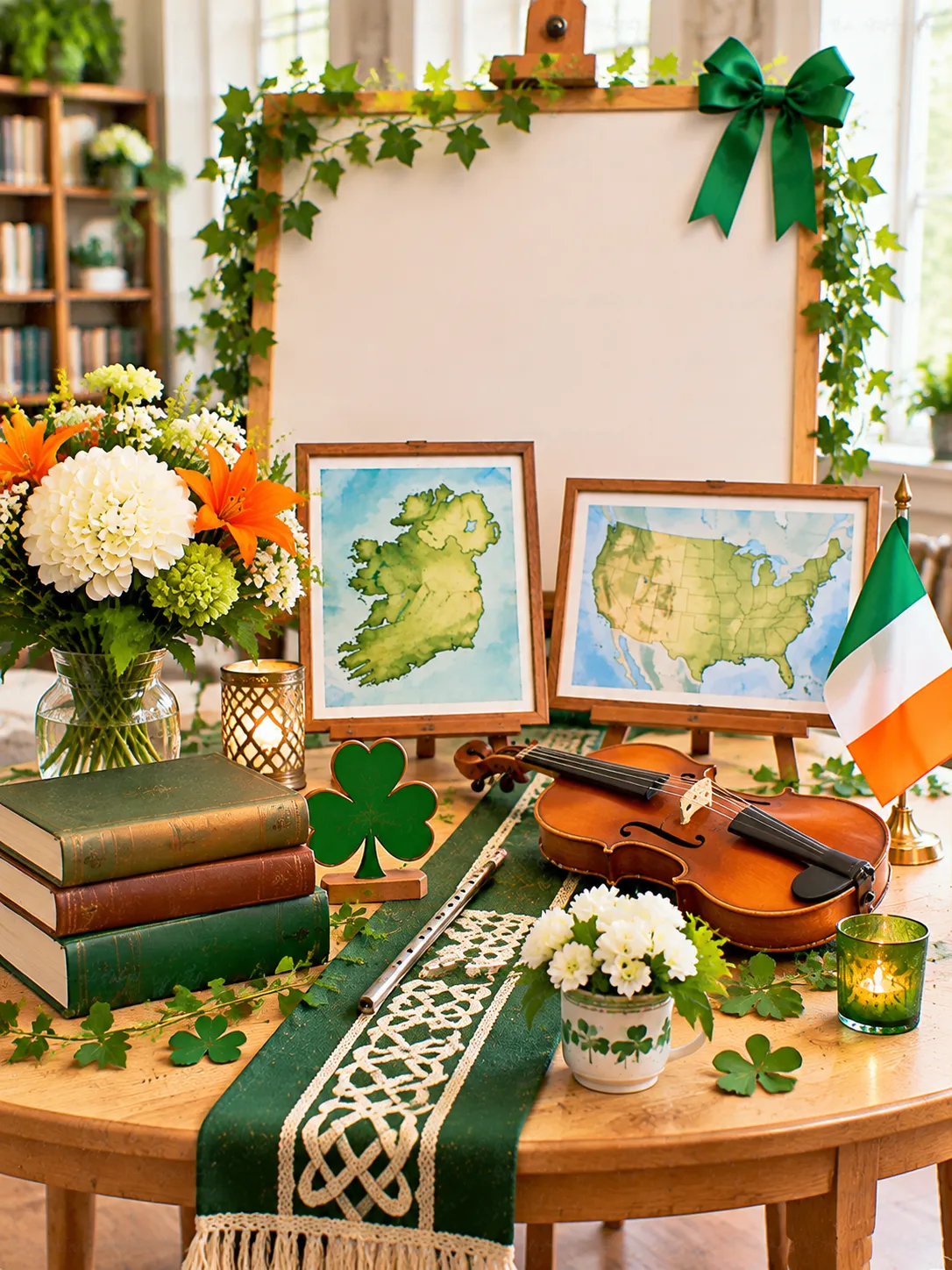
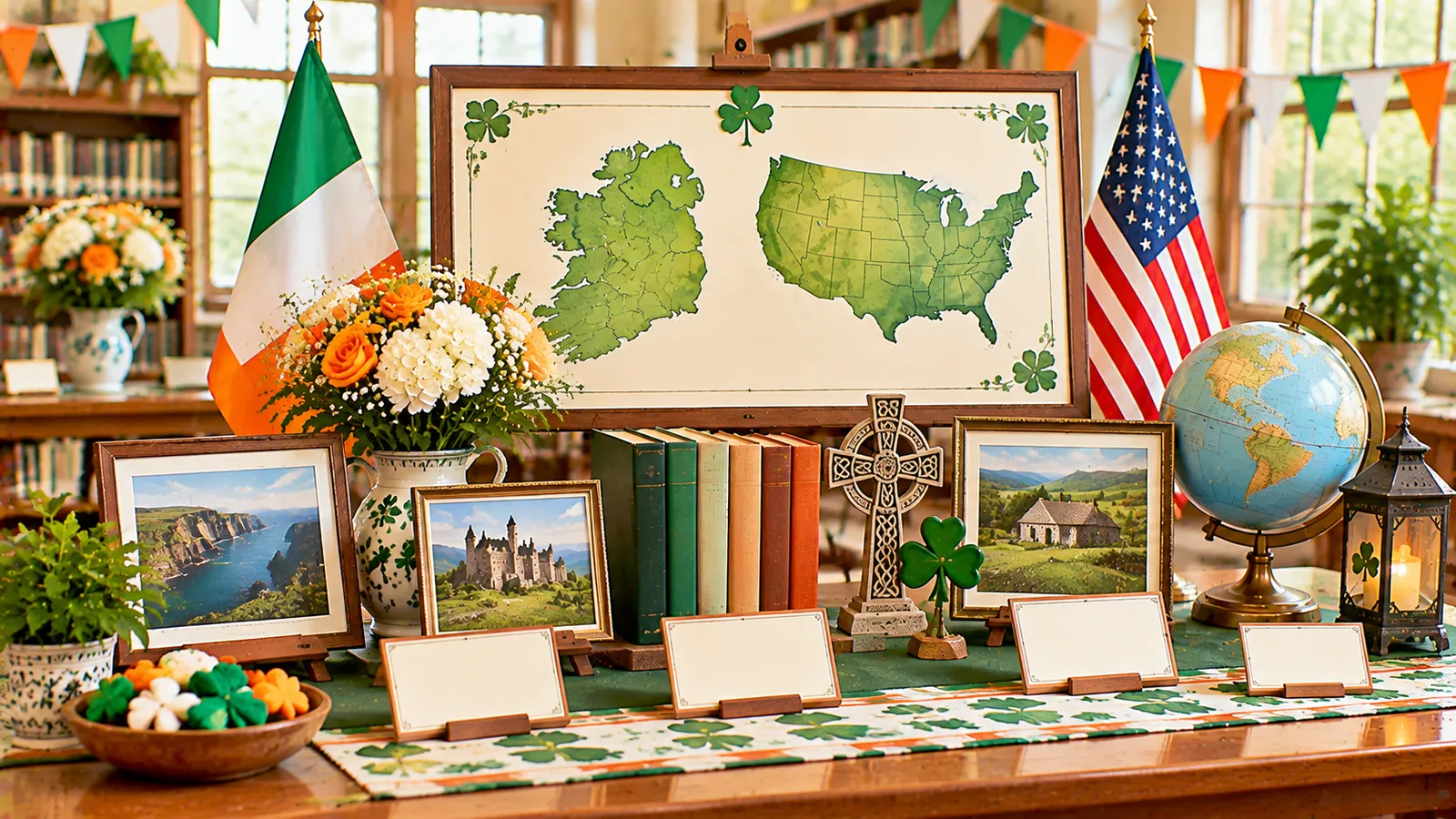
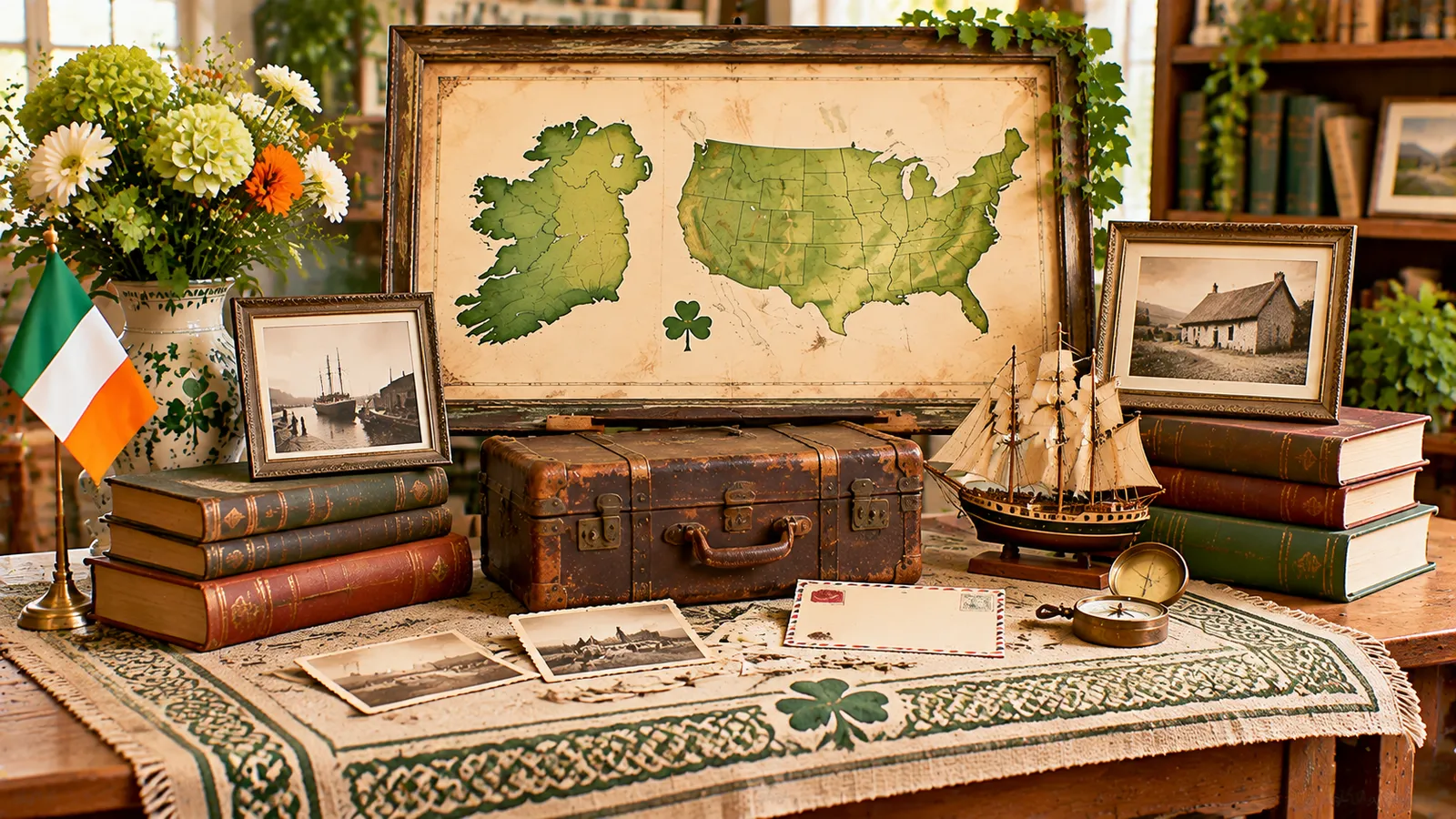
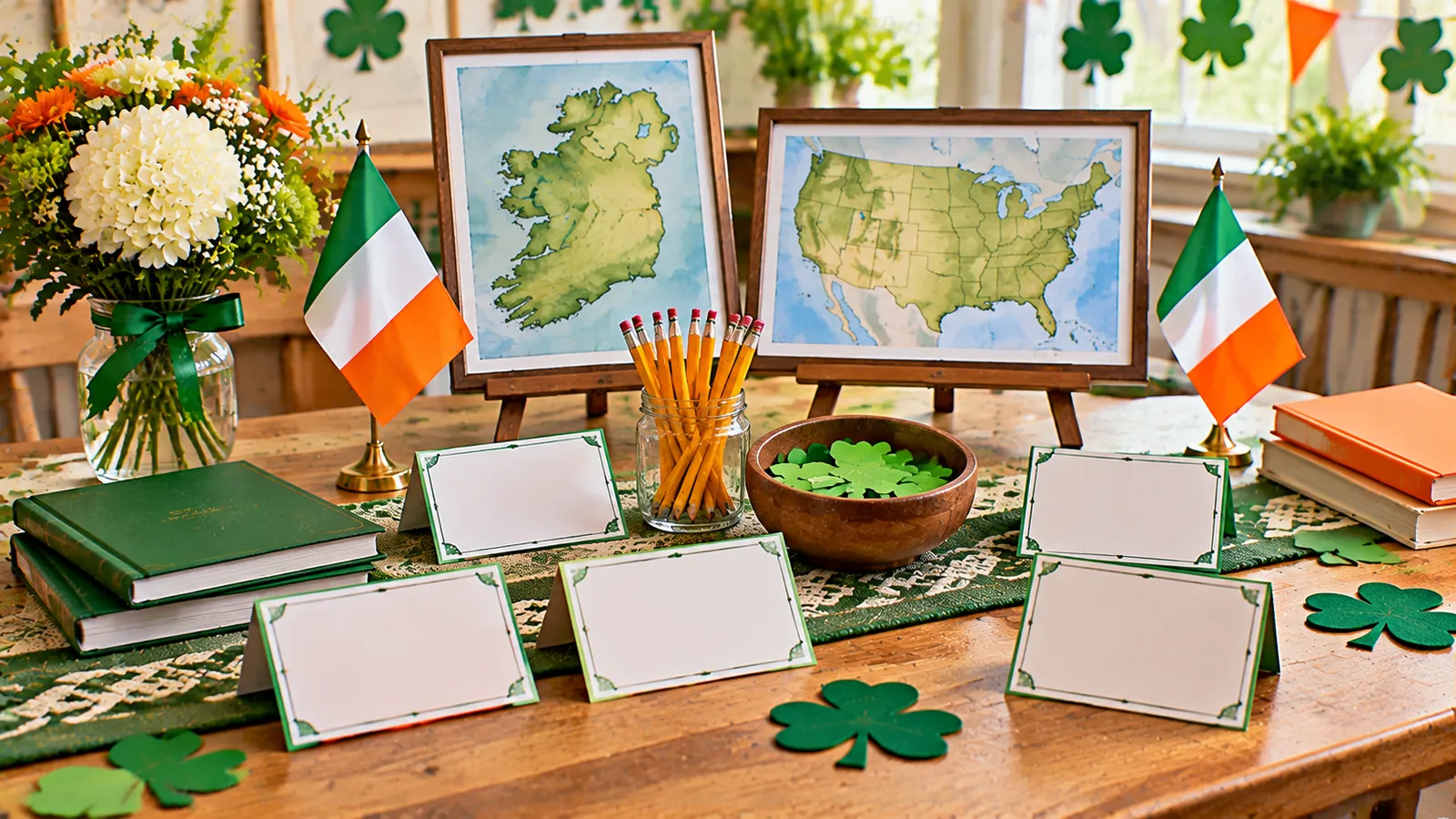
A heritage display is a simple way to introduce Irish American history and traditions to family members, students, and guests. Set up a table with green, white, and orange decorations inspired by the colors of the Irish flag. Add books about Irish history, small Irish-themed decorations, framed photographs of historic places, and a map showing Ireland and the United States. Keep the arrangement neat and easy to explore.
You can also include a few short information cards about Irish immigration, Irish American communities, and well-known cultural traditions. If you are preparing the display for a school or library, leave some space for visitors to add questions or share family stories. A thoughtful display can help start conversations and encourage people to learn more about the history behind the celebration.
Host an Irish American Family Dinner
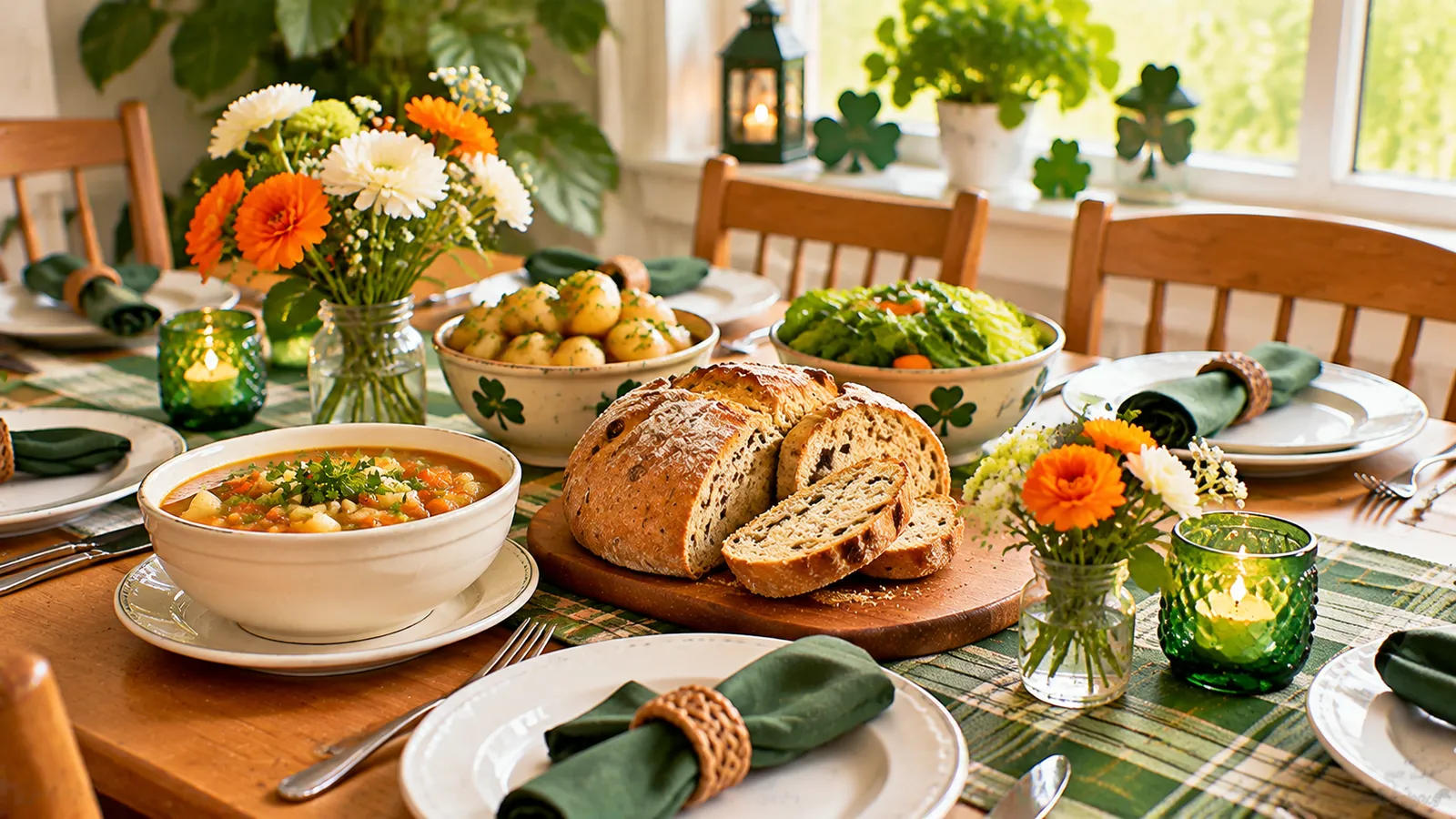
Food is a natural way to bring people together and introduce cultural traditions. Plan an Irish-inspired family dinner with dishes such as Irish soda bread, potato dishes, vegetable soup, or a traditional stew. You can also include familiar American favorites that have become part of your family's own heritage celebrations. The goal is to enjoy good food while learning about the traditions connected to it.
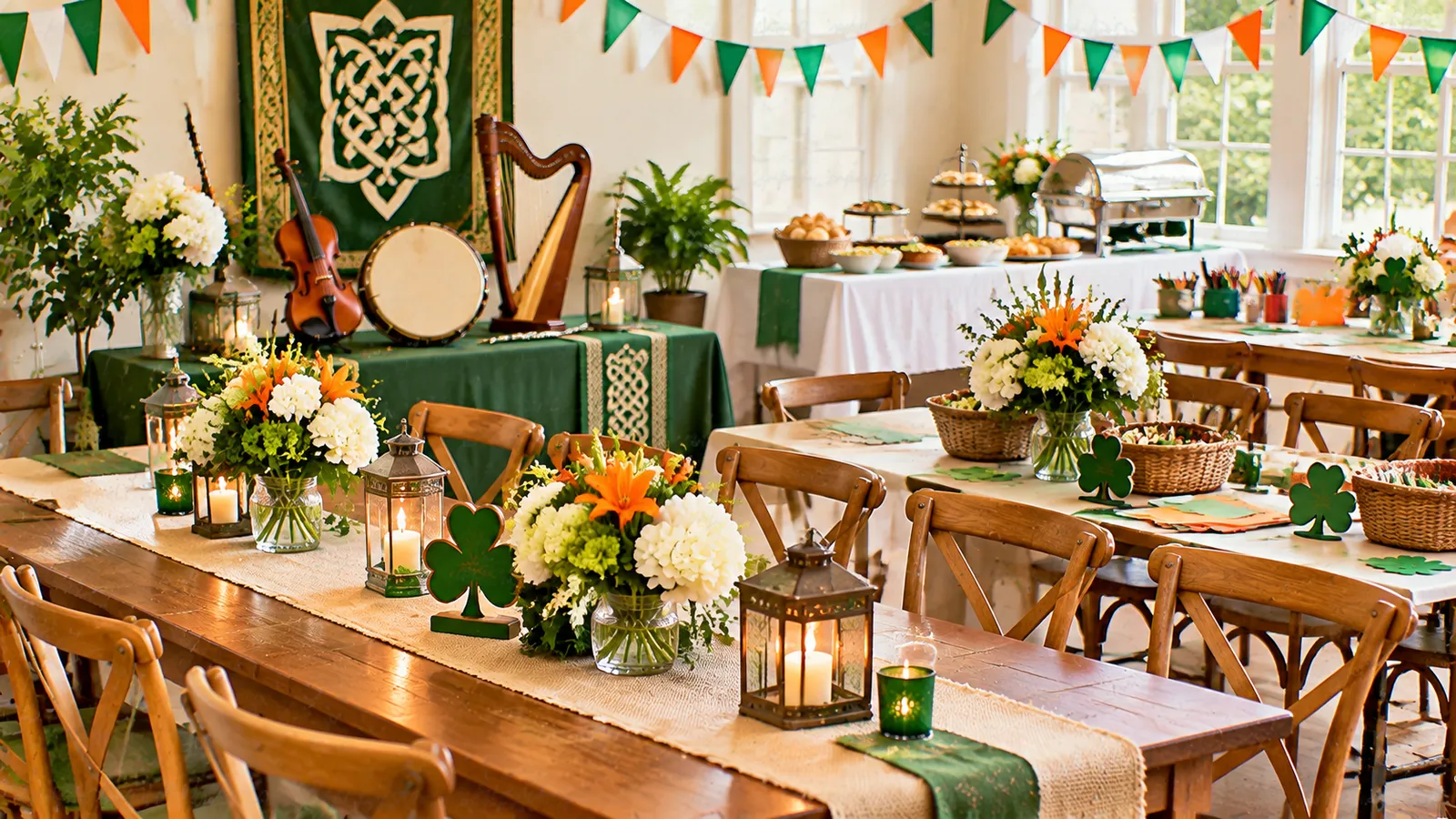
Set the table with green napkins, simple flowers, and a few small Irish-themed decorations. If children are helping, give them easy jobs such as arranging napkins, placing serving spoons, or making simple table decorations. During dinner, talk about the foods your family enjoys and how recipes can travel from one generation to another. You could even ask relatives to share a favorite family recipe.
Explore Irish American Immigration History
Learning about immigration helps make an Irish American heritage celebration more meaningful. Irish immigrants arrived in the United States during different periods, including a major wave during the Great Famine of the 1840s and 1850s. Many faced difficult journeys, limited opportunities, and challenges as they settled into unfamiliar communities. Their experiences became part of the larger history of immigration in America.
Choose a few age-appropriate books, photographs, or historical resources to explore together. A simple map activity can show Ireland, the Atlantic Ocean, and American cities where Irish immigrants settled. You can discuss how people traveled, where they found work, and how they built communities. Keep the conversation balanced by recognizing both the hardships immigrants faced and the many ways Irish Americans contributed to the country.
Decorate Your Home with Irish Heritage Colors
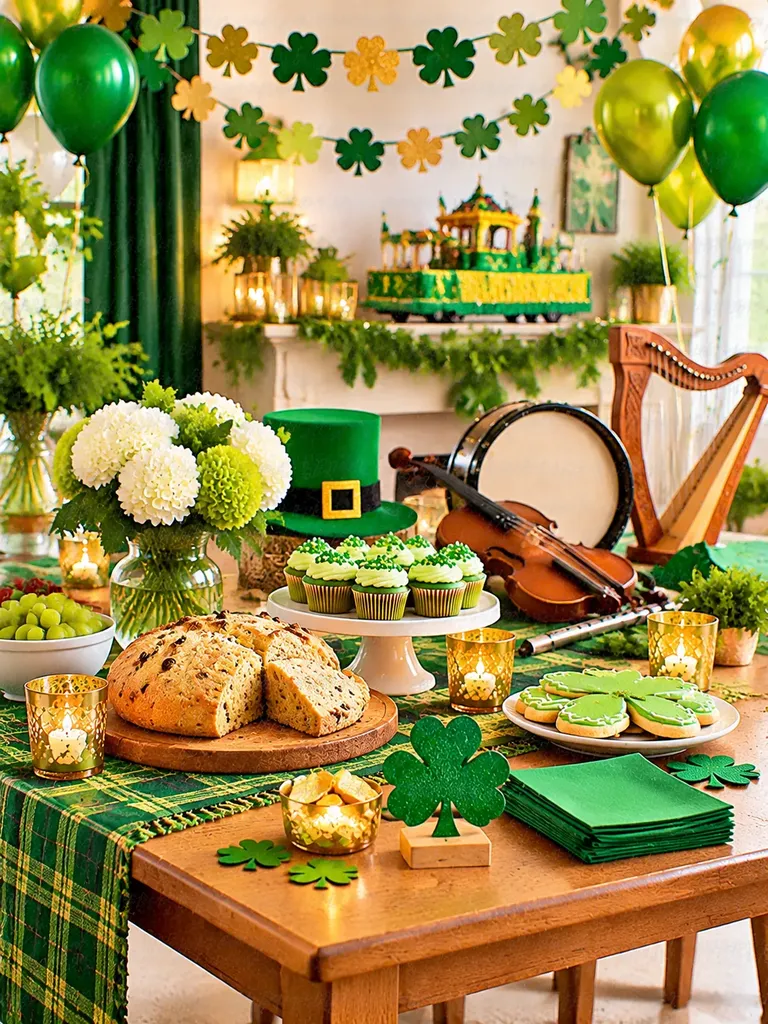
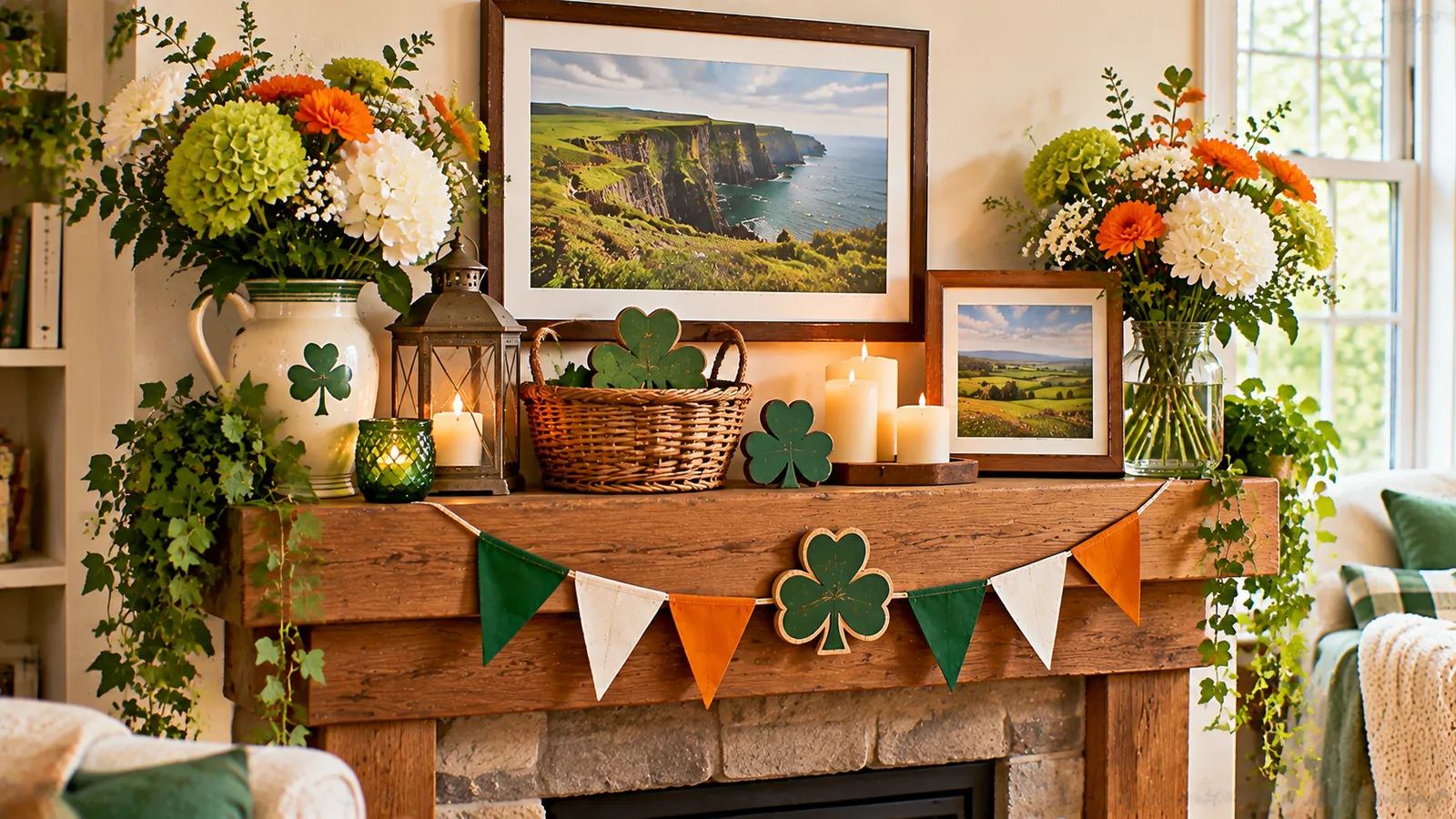
Decorations can make a home feel ready for a celebration without requiring a large budget. Use green, white, and orange as your main color palette, inspired by the Irish tricolor flag. Green table runners, white flowers, orange ribbons, and small decorative accents can create a cheerful look. You can also use natural materials such as wood, greenery, and woven baskets for a warm, relaxed setting.
Try decorating one main area instead of filling every room. A dining table, entryway, fireplace mantel, or living room shelf can become the center of your celebration. Add a small arrangement of flowers, a few Irish-inspired ornaments, and a framed photograph of an Irish landscape. Keep the decorations simple and avoid treating every item as a St. Patrick's Day decoration; the focus is on Irish heritage and culture more broadly.
Enjoy Traditional Irish Music
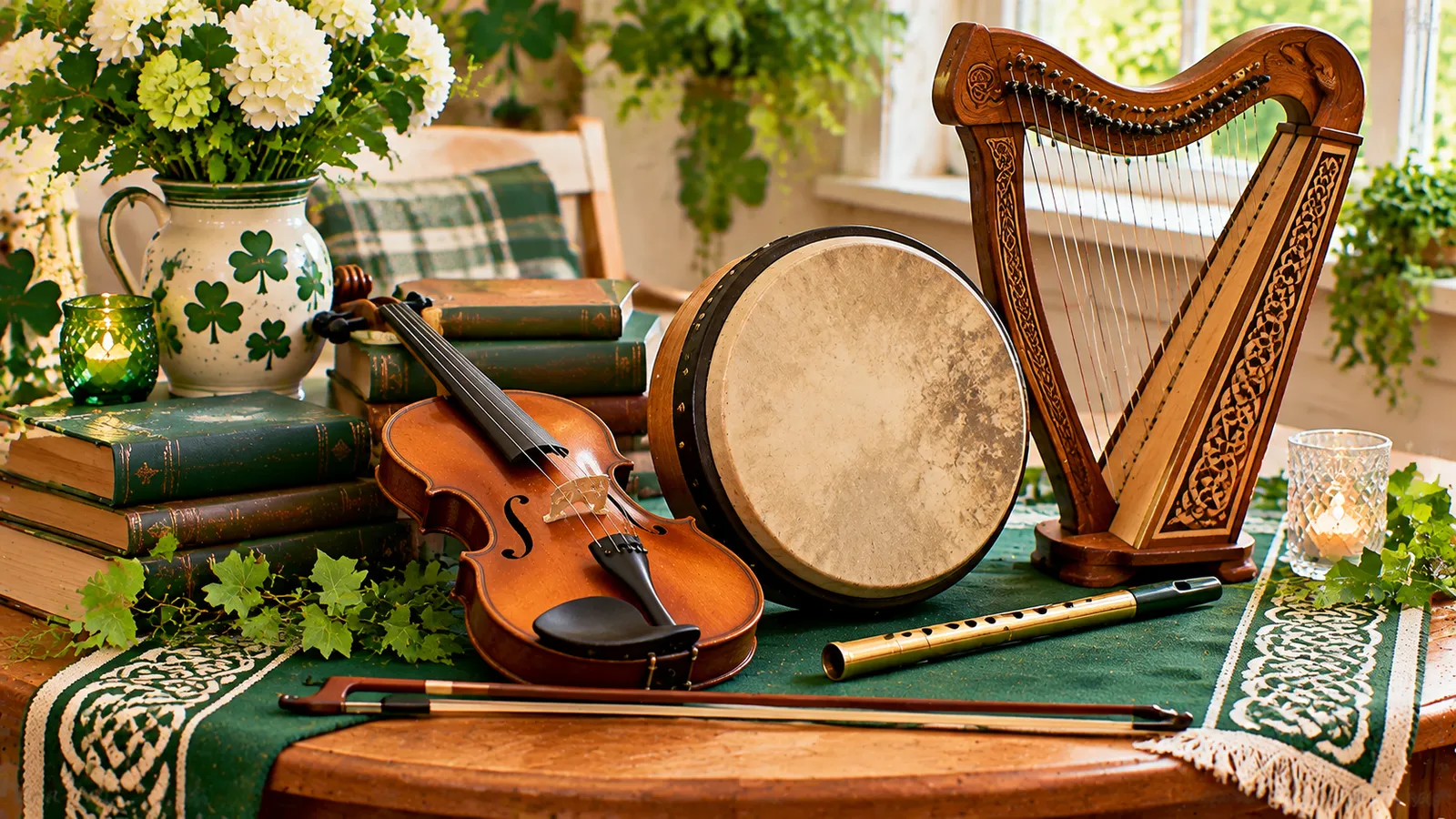
Music is a wonderful way to experience Irish culture. Traditional Irish music often features instruments such as the fiddle, tin whistle, flute, harp, and bodhrán. Its lively rhythms and memorable melodies make it enjoyable for people of different ages. For a family celebration, create a playlist with traditional instrumental music alongside songs by Irish and Irish American musicians.
Set aside some time to listen together and talk about the sounds and instruments you hear. Children can draw pictures inspired by the music or make simple homemade shakers using safe household materials. If your community has an Irish music group or local cultural event, consider attending a live performance. Listening to musicians play in person can make the experience even more memorable.
Arrange an Irish Dance Activity
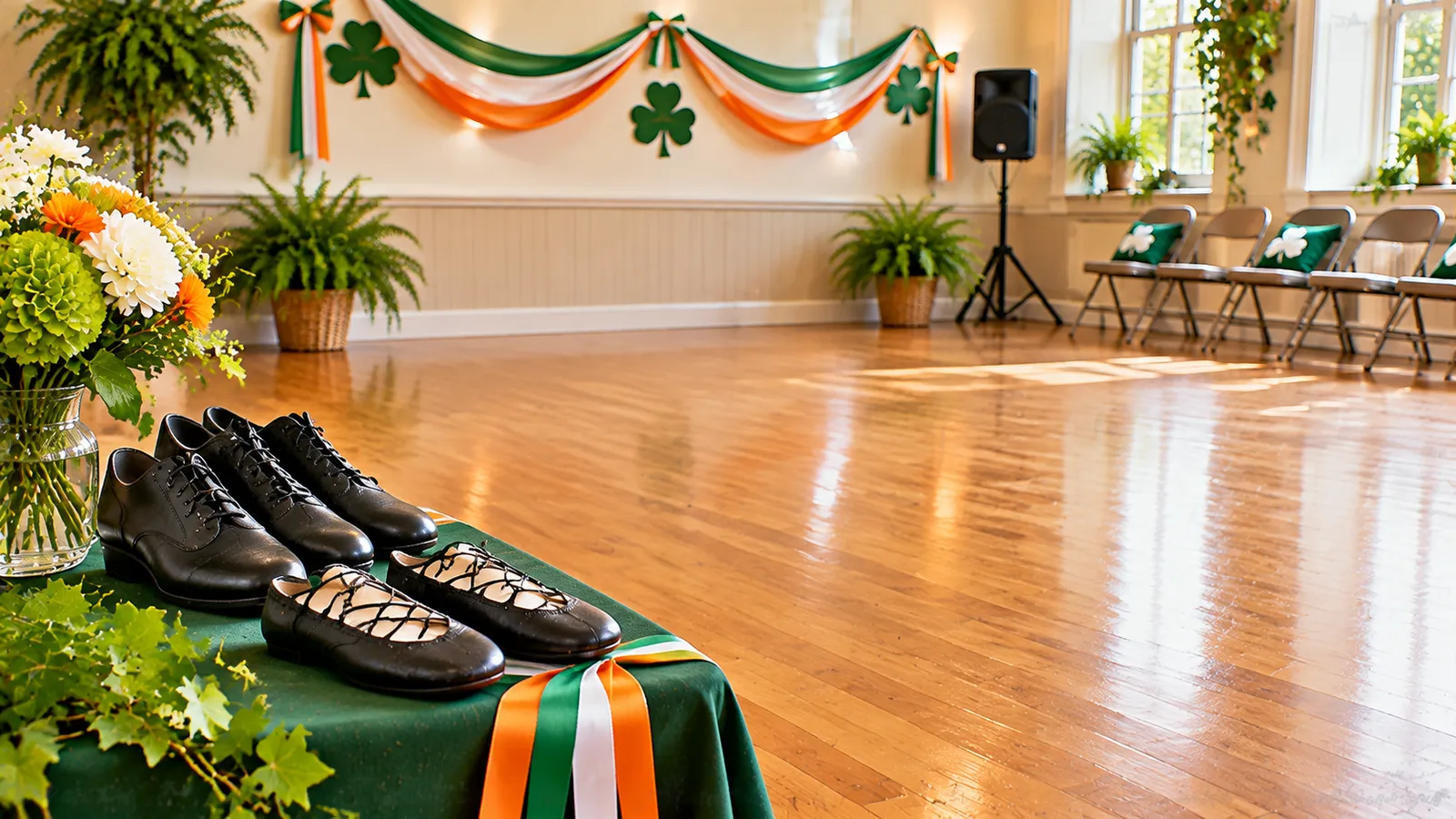
Irish dance is another lively part of Irish cultural heritage. Traditional Irish dancing includes styles known for quick footwork, rhythmic movement, and energetic performances. You can introduce the idea through a short video or a beginner-friendly demonstration before trying a few simple steps at home or in a community space.
Make the activity relaxed and welcoming rather than turning it into a formal dance lesson. Clear a safe space, play suitable Irish music, and let children and adults join at their own comfort level. You could also invite a local dance teacher or Irish dance group to give a short demonstration. This is a fun way to connect movement, music, and cultural learning.
Make Irish-Themed Crafts with Children
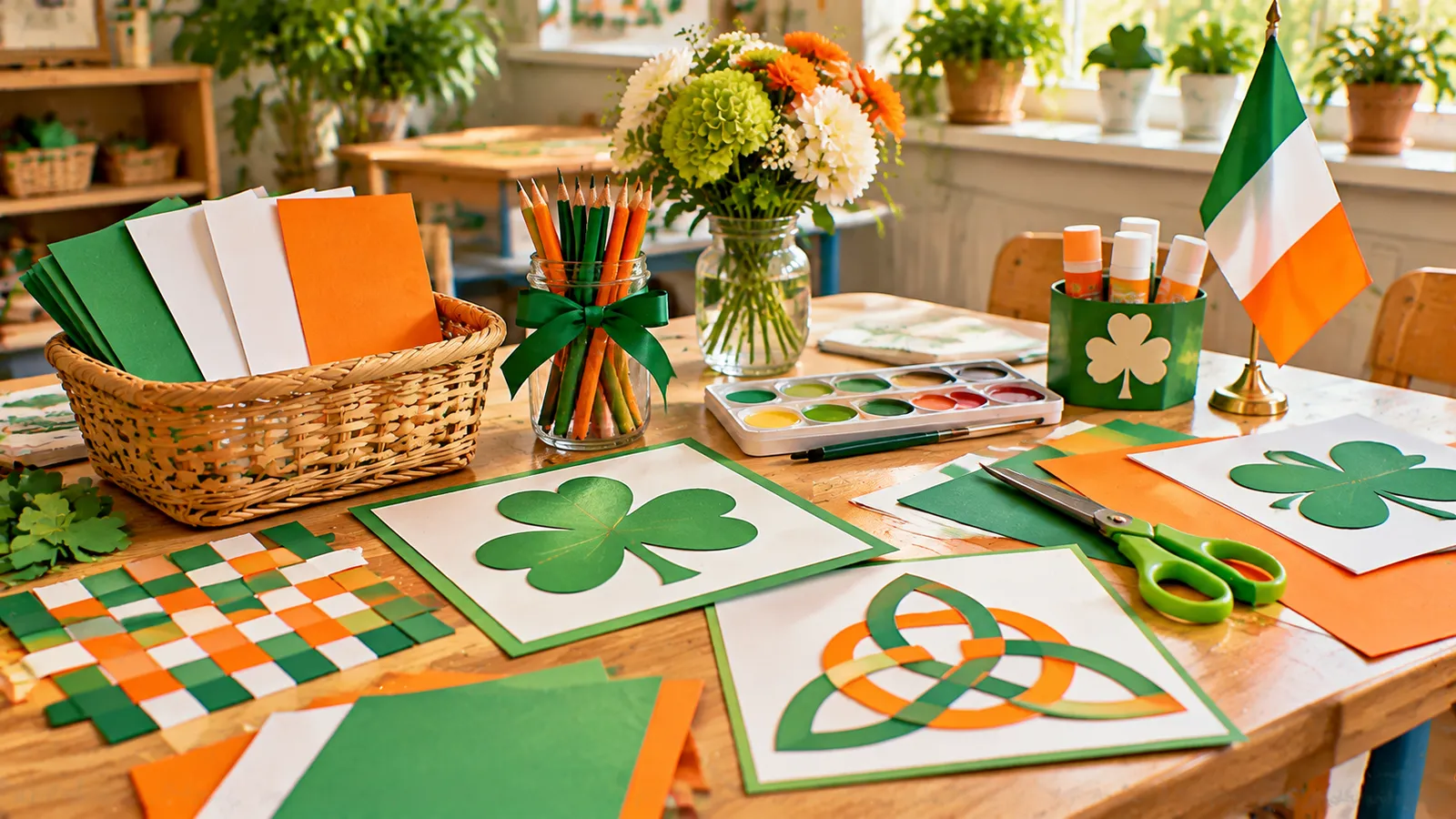
Craft activities are a good fit for schools, libraries, and family gatherings. Children can make shamrock decorations, paper Celtic-inspired patterns, small flags, or simple landscape pictures featuring Ireland's green hills and coastline. Provide paper, washable paints, glue sticks, child-safe scissors, and other basic supplies. Keep the projects easy enough for different age groups to enjoy.
As children work, explain the meaning behind the designs they are making. For example, you can discuss the shamrock's connection with Irish tradition and explain that the Irish flag has three vertical colors. Encourage children to create their own designs rather than expecting every project to look the same. Display the finished crafts on a wall, table, or classroom board to make the celebration feel special.
Share Irish American Family Stories
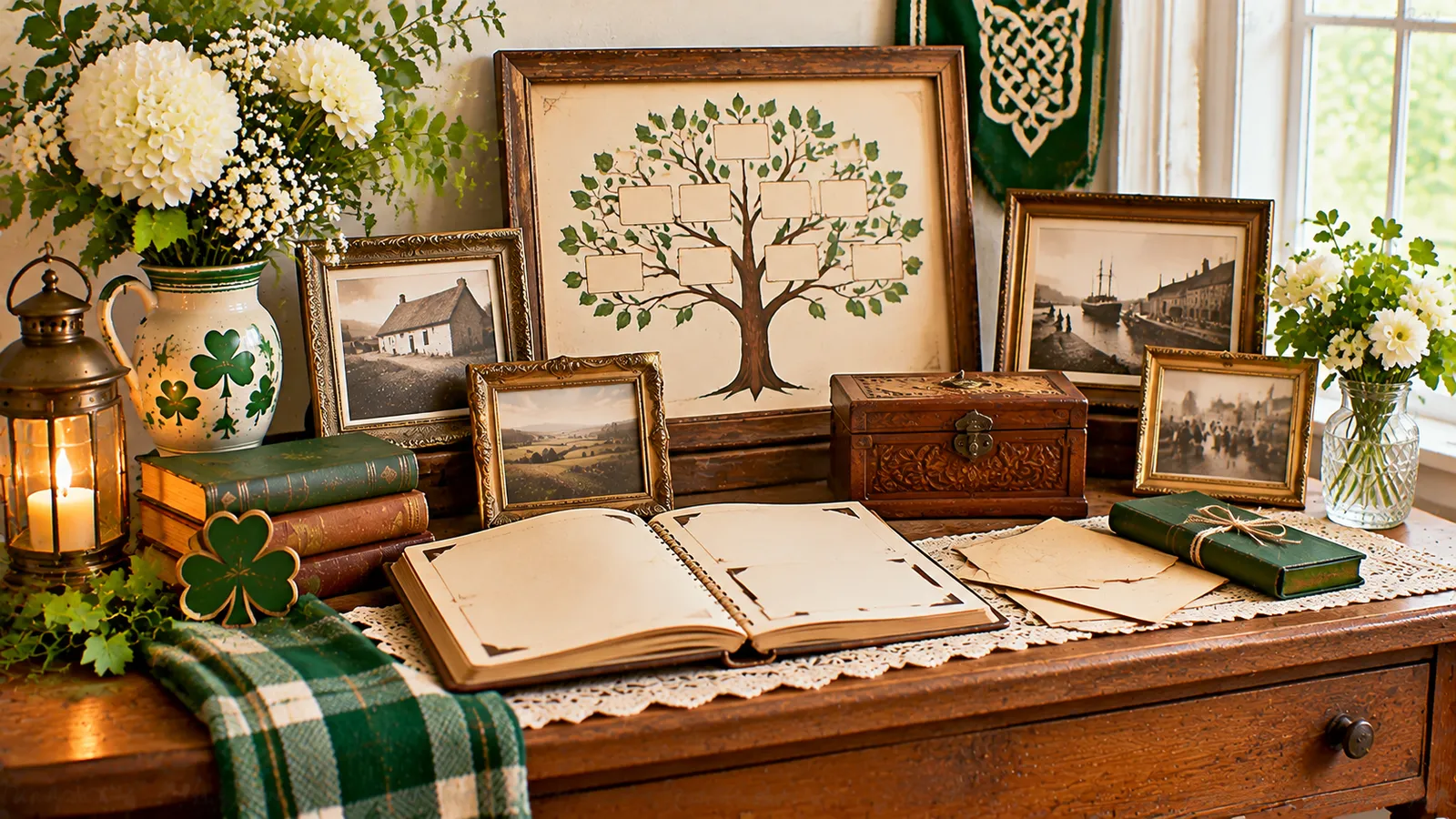
Family stories can make heritage celebrations personal. Some families have a clear connection to Irish ancestors, while others may simply want to learn about the Irish American experience as part of the country's wider history. Invite relatives to share memories, old photographs, family recipes, or stories that have been passed down over time.
If you are hosting a gathering, create a small family history corner with photographs, copies of old documents, or a simple family tree. Make it clear that nobody needs to share private family information. Children can ask relatives about childhood memories, favorite traditions, or how celebrations have changed over the years. Recording these stories, with permission, can help preserve them for future generations.
Prepare an Irish Soda Bread Baking Activity
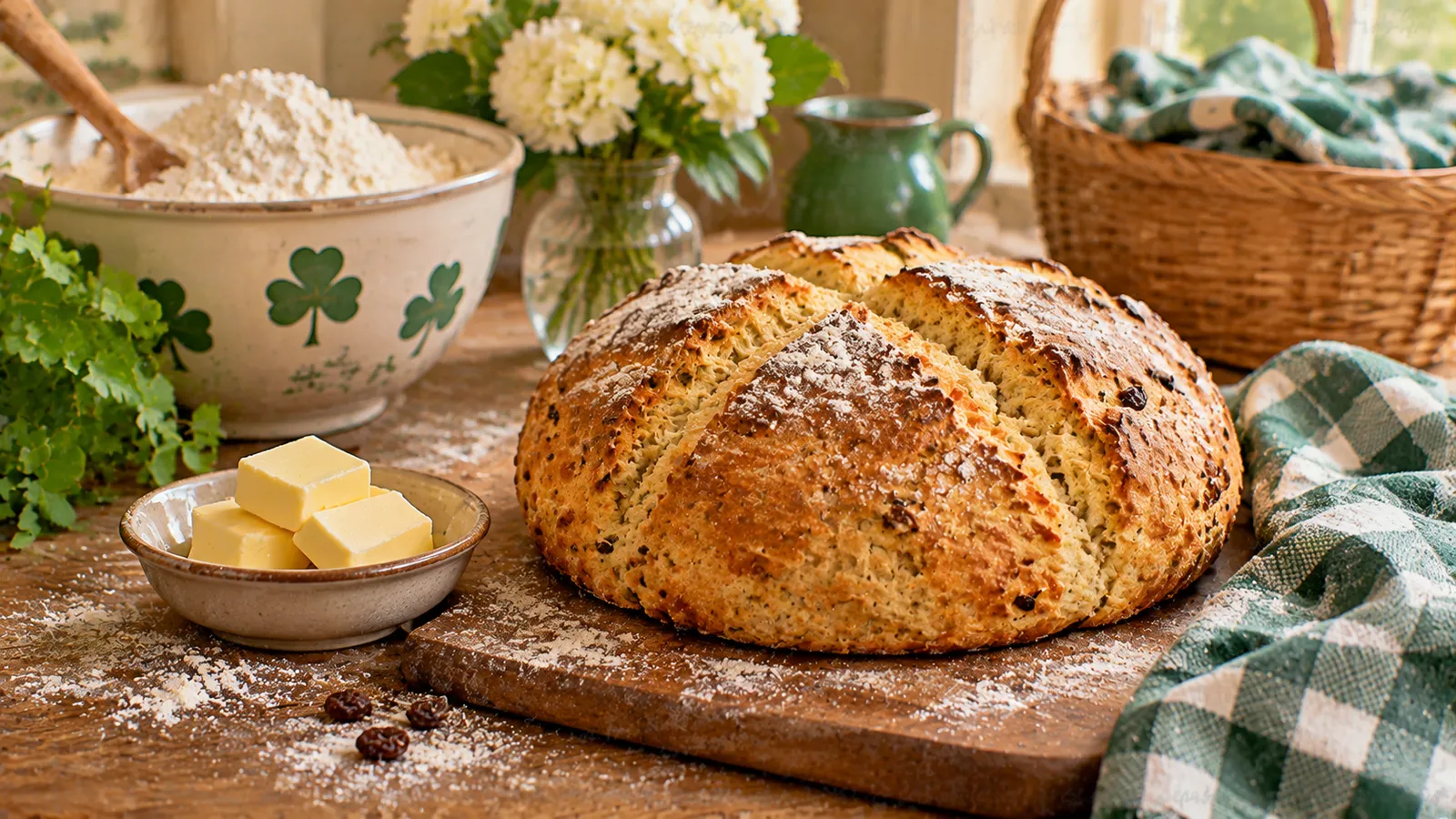
Baking is a practical and enjoyable way to bring a traditional food into your celebration. Irish soda bread is commonly made with flour, baking soda, salt, and buttermilk. Unlike yeast breads, it uses baking soda as its leavening ingredient. Many families enjoy it with butter, soup, or a hearty meal, and recipes can vary from one household to another.
Invite children to help with safe, age-appropriate tasks such as measuring dry ingredients or mixing the dough under adult supervision. Explain how baking soda works and why it is different from yeast. Once the bread is baked and cooled, serve it with dinner or package a few slices for guests to take home. Always check ingredient needs and allergies before sharing food at a group event.
Organize an Irish American History Quiz
A friendly quiz can make learning about Irish American history more interactive. Prepare questions about Irish immigration, cultural traditions, famous Irish American contributions, music, food, and important historical events. Use a mix of easy and more challenging questions so children, teenagers, and adults can all take part.
You can organize the quiz in teams or let each person answer individually. Keep the atmosphere light and use each answer as a chance to explain something interesting. For younger children, picture clues and simple multiple-choice questions may work best. For older participants, include questions about historical events and the development of Irish American communities. Small prizes such as bookmarks or craft supplies can add a little excitement.
Set Up an Irish Literature and Storytelling Corner
Books and storytelling offer another way to explore Irish culture. Choose children's stories, folklore collections, poetry, and books about Irish American history. You might include stories connected with Irish landscapes, traditional legends, or the experiences of families who moved to America. For younger readers, picture books can make the activity easy to follow.
Arrange a comfortable reading area with cushions, a small bookshelf, and a few green and orange decorations. Invite family members, teachers, or librarians to read aloud. You can also encourage older children to write a short story, draw a scene from a book, or share a favorite passage. When choosing folklore, explain that traditional legends are stories passed down through generations and are not the same as historical records.

Visit an Irish American Cultural Event
A local cultural event can bring heritage learning beyond the home. Depending on your area, you may find Irish festivals, traditional music performances, dance demonstrations, history talks, museum programs, or community celebrations. These events often provide opportunities to enjoy food, music, crafts, and cultural activities in one place.
Check local community calendars, libraries, museums, cultural organizations, and Irish American groups for upcoming events. Look at event details before attending, especially if you are bringing children or older family members. Some events may be large and busy, while others may offer a quieter educational experience. Choose one that fits your family's interests and make time to learn about the people and traditions behind the activities.
Create a Map of Ireland and Irish American Communities
A map activity can help children understand the connection between Ireland and the United States. Start with a map of Ireland and a map of North America. Point out Ireland's location in Europe and trace the Atlantic Ocean route to the United States. You can then mark American cities and regions with historic Irish American communities, such as Boston, New York, and Chicago.
Use colored stickers or simple drawings to make the activity more engaging. Add small notes about immigration, community life, and cultural traditions. Older children can research why some cities became important destinations for Irish immigrants. This activity helps connect geography with history and shows how migration has influenced the communities that make up the United States.
Plan an Irish Heritage School or Library Event
Schools and libraries can use Irish American Heritage Month as an opportunity for a simple educational celebration. Set up a small display, organize a reading session, prepare a craft table, or invite a local speaker to discuss Irish American history. A short program with several activities can help students learn about culture without making the event feel like a long lesson.
Make the activities suitable for the ages and backgrounds of the people attending. Include information about Irish history, immigration, literature, music, and contributions to American life. If possible, use reliable books and educational resources when preparing facts. A welcoming event should encourage curiosity and respect rather than suggesting that every Irish American family has the same traditions or experiences.
Celebrate Irish American Heritage Through Community Traditions
One of the best ways to recognize Irish American heritage is to bring people together. Families can invite neighbors for a shared meal, community groups can arrange a music afternoon, and schools can organize a cultural learning day. These gatherings do not have to be elaborate. A few decorations, traditional music, food, and an interesting activity can create a warm celebration.
Remember that Irish American heritage is part of a larger and diverse American story. Some people celebrate through family customs, while others take part through history, music, literature, or community events. Make room for different experiences and encourage guests to learn from one another. A thoughtful celebration can honor Irish traditions while also recognizing the many cultures that have helped shape the United States.
Frequently Asked Questions
### 1. When is Irish American Heritage Month celebrated?
Irish American Heritage Month is observed in March in the United States. March is also associated with St. Patrick's Day on March 17, making it a popular time for Irish cultural events, history programs, and community celebrations.
### 2. What is the purpose of Irish American Heritage Month?
The month recognizes the history, culture, and contributions of Irish immigrants and their descendants in the United States. It is an opportunity to learn about Irish American communities, traditions, and the role Irish Americans have played in the country's development.
### 3. How can families celebrate Irish American heritage at home?
Families can celebrate with an Irish-inspired meal, traditional music, crafts, storytelling, history activities, and simple green, white, and orange decorations. Sharing family stories or learning about Irish immigration can also make the day more meaningful.
### 4. What is the difference between Irish American Heritage Month and St. Patrick's Day?
Irish American Heritage Month recognizes Irish American history, culture, and contributions throughout March. St. Patrick's Day is a specific celebration held on March 17, with religious and cultural roots in Ireland. The two are connected, but they are not the same observance.
Related Ideas
15 New Year's Day Celebration Ideas for a Fresh Start
15 Martin Luther King Jr. Day Celebration Ideas for Families
15 Presidents' Day Celebration Ideas for Families
15 Memorial Day Celebration Ideas to Honor and Remember
15 Juneteenth Celebration Ideas for Families and Friends
15 Fourth of July Celebration Ideas for a Festive Day
15 Labor Day Celebration Ideas for a Fun Holiday Weekend
15 Columbus Day Celebration Ideas for Families
15 Indigenous Peoples' Day Celebration Ideas for Families
15 Veterans Day Celebration Ideas for Families and Friends
15 Thanksgiving Day Celebration Ideas for Families
15 Christmas Day Celebration Ideas for Families
15 Inauguration Day Celebration Ideas for Families
15 Flag Day Celebration Ideas for Families
15 Constitution Day Celebration Ideas for Families
15 Patriot Day Remembrance Ideas for Families
15 Pearl Harbor Remembrance Day Ideas for Families
15 National Day of Prayer Ideas for Families
15 National Night Out Ideas for Families and Neighbors
15 Black History Month Celebration Ideas for Families
15 Women's History Month Event Ideas for All Ages
15 AANHPI Heritage Month Celebration Ideas for Families
15 Native American Heritage Month Celebration Ideas
15 LGBTQ+ Pride Month Celebration Ideas for Everyone
15 Caribbean American Heritage Month Celebration Ideas
15 Hispanic Heritage Month Celebration Ideas
15 Italian American Heritage Month Celebration Ideas
15 Arab American Heritage Month Celebration Ideas
15 Polish American Heritage Month Celebration Ideas
15 German American Heritage Festival Ideas