15 Polish American Heritage Month Celebration Ideas
Polish American Heritage Month is a great time to recognize the history, traditions, and contributions of Polish Americans. Observed in October, the month offers an opportunity to learn about Polish immigration, family traditions, cultural celebrations, and the many ways Polish Americans have helped shape communities across the United States. It is also a chance to enjoy familiar traditions through food, music, art, stories, and time spent with family and friends.
You do not need to plan a large festival to make the month meaningful. A Polish-inspired family dinner, a small cultural display, a craft afternoon, or a visit to a local Polish American event can be a wonderful way to take part. These activities work well at home, in schools, libraries, and community spaces. Here are 15 Polish American Heritage Month celebration ideas to help you plan something enjoyable, welcoming, and educational.
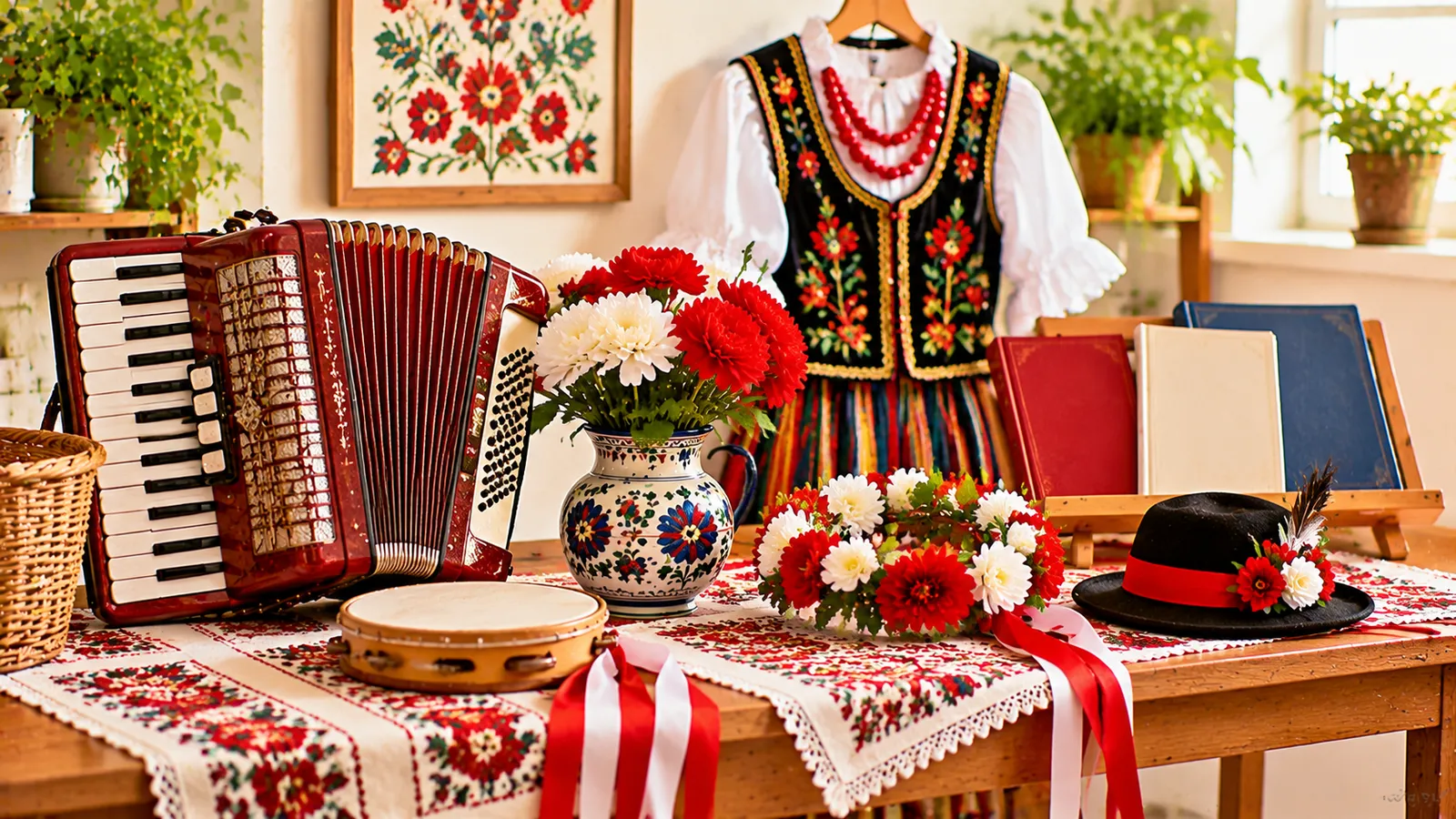
Create a Polish American Heritage Display
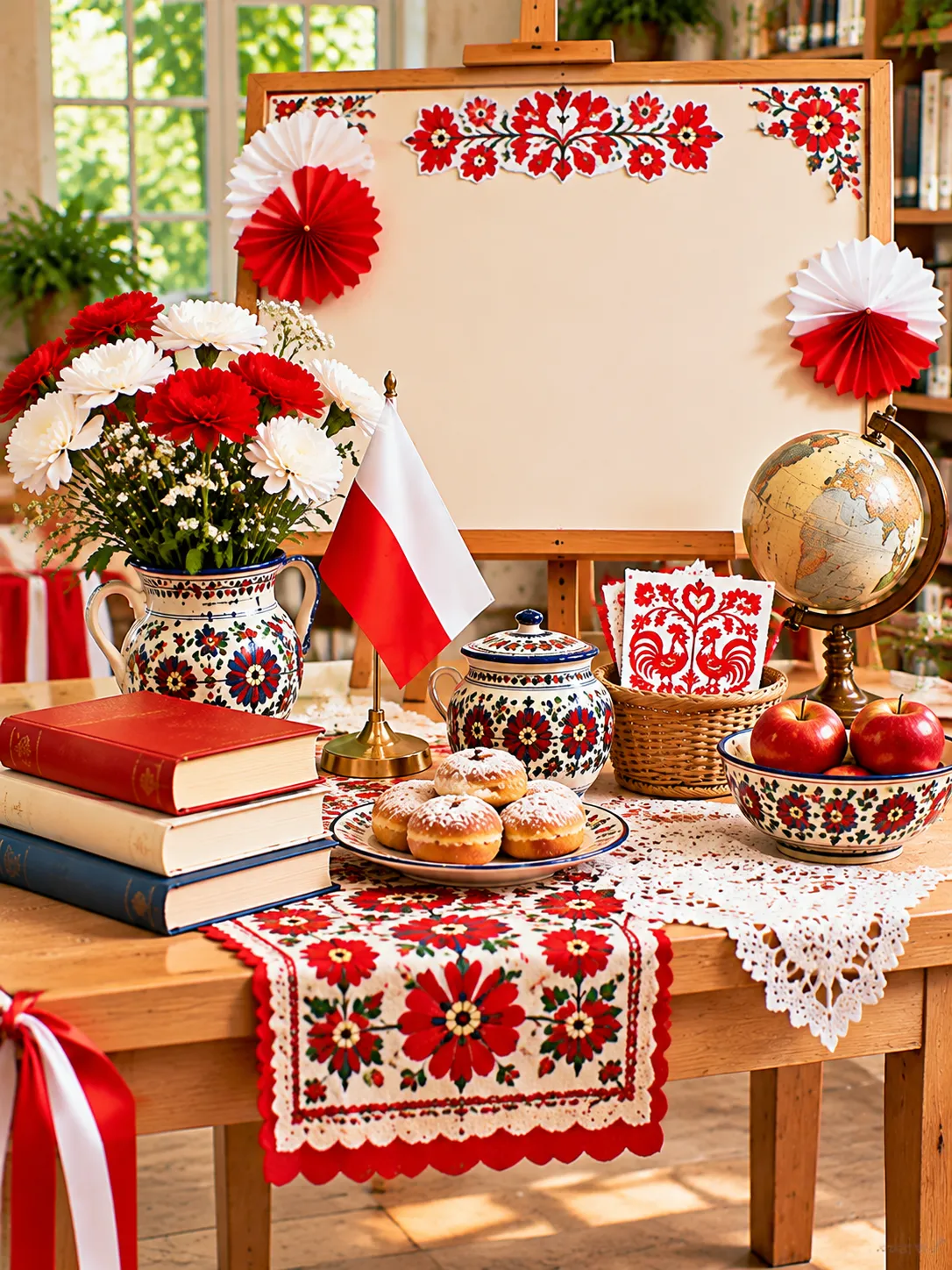
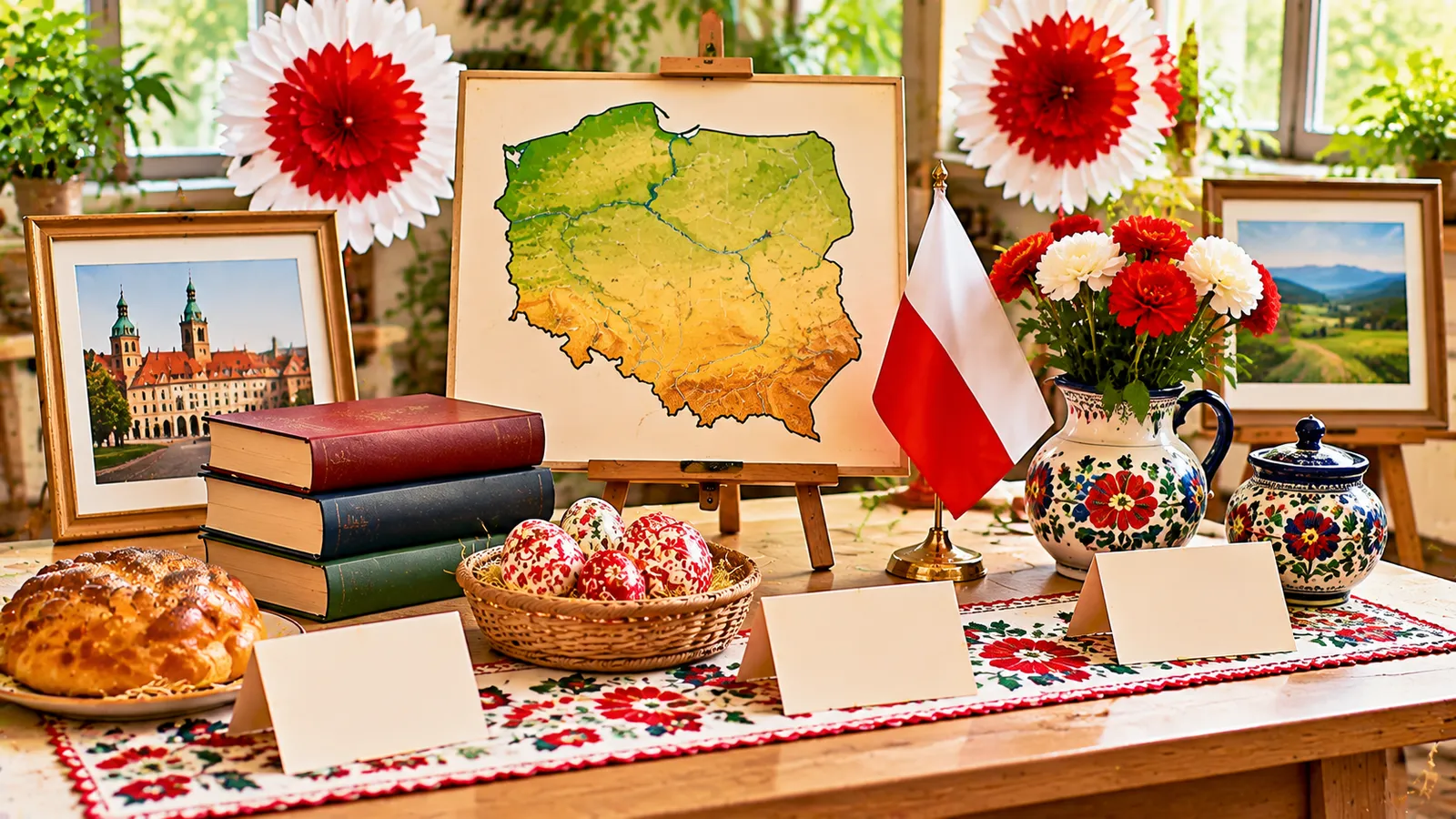
Set up a small heritage display at home, in a classroom, or in a community center. Use a table or shelf to arrange books about Polish American history, photographs of Polish landmarks, a map of Poland, and a few decorative items inspired by Polish folk art. Red and white accents, fresh flowers, traditional patterns, and small framed pictures can help make the display attractive without making it feel crowded.
Include information about Polish immigration and the experiences of Polish American families throughout United States history. You might highlight important historical events, well-known Polish Americans, or the ways Polish communities have influenced local neighborhoods. Add short information cards so visitors can learn something as they look around. A thoughtful display can help children and adults understand that heritage is about history, family stories, and traditions passed between generations.
Host a Polish American Family Dinner
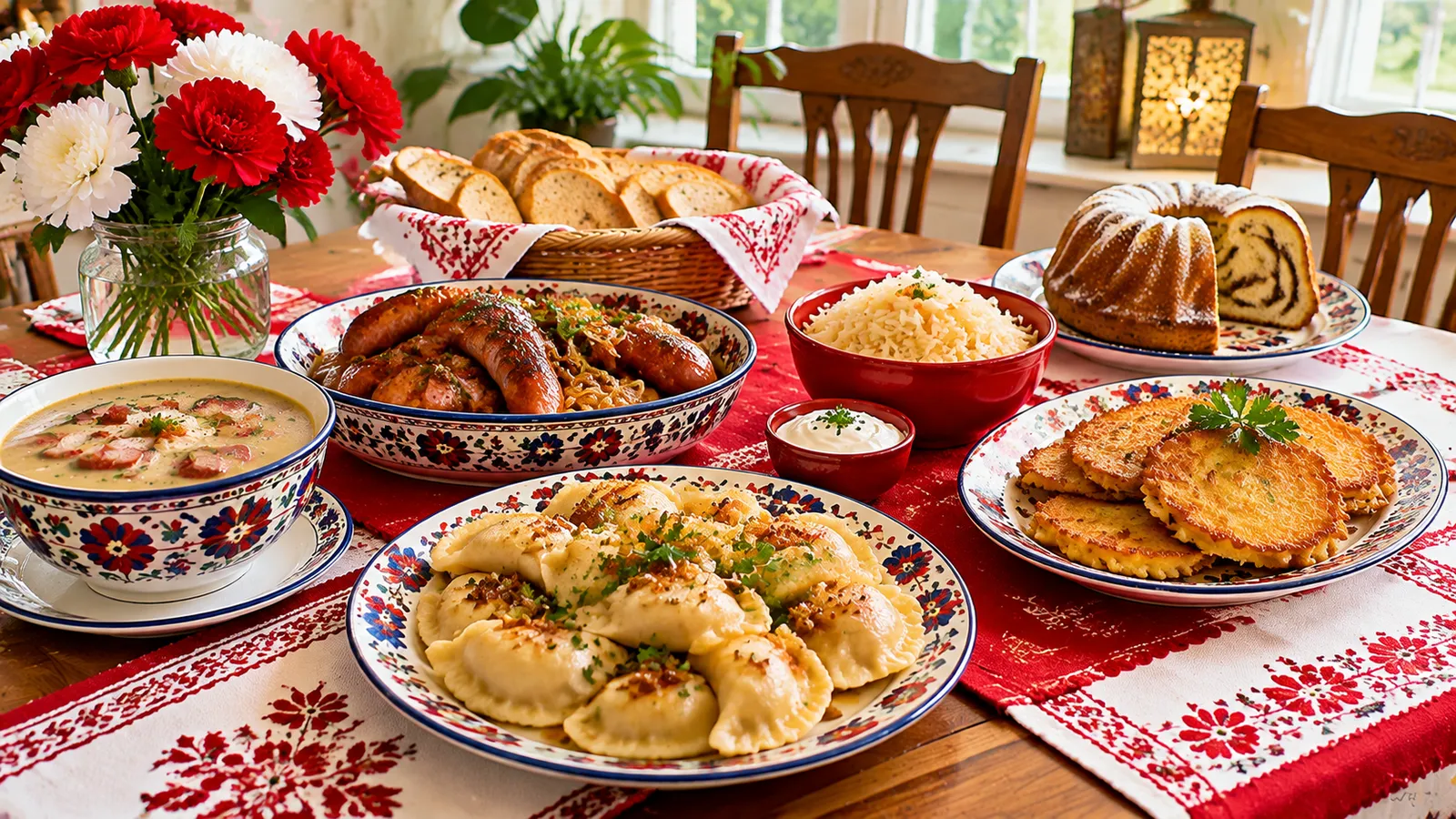
A family dinner is one of the easiest ways to bring people together during Polish American Heritage Month. Prepare a meal with dishes such as pierogi, kielbasa, bigos, potato pancakes, or a hearty Polish soup. You can make the food at home, order from a local Polish restaurant, or invite relatives to bring a favorite dish they grew up enjoying.
Make the dinner more meaningful by sharing the stories behind the recipes. Some families have special ways of preparing pierogi or serving holiday meals, and these traditions can be interesting to pass along to younger family members. You can place small cards beside the dishes with their names and a few details about them. Remember that Polish food traditions vary between families and regions, so let everyone share what is familiar to them.
Decorate With Polish Colors and Folk-Inspired Details
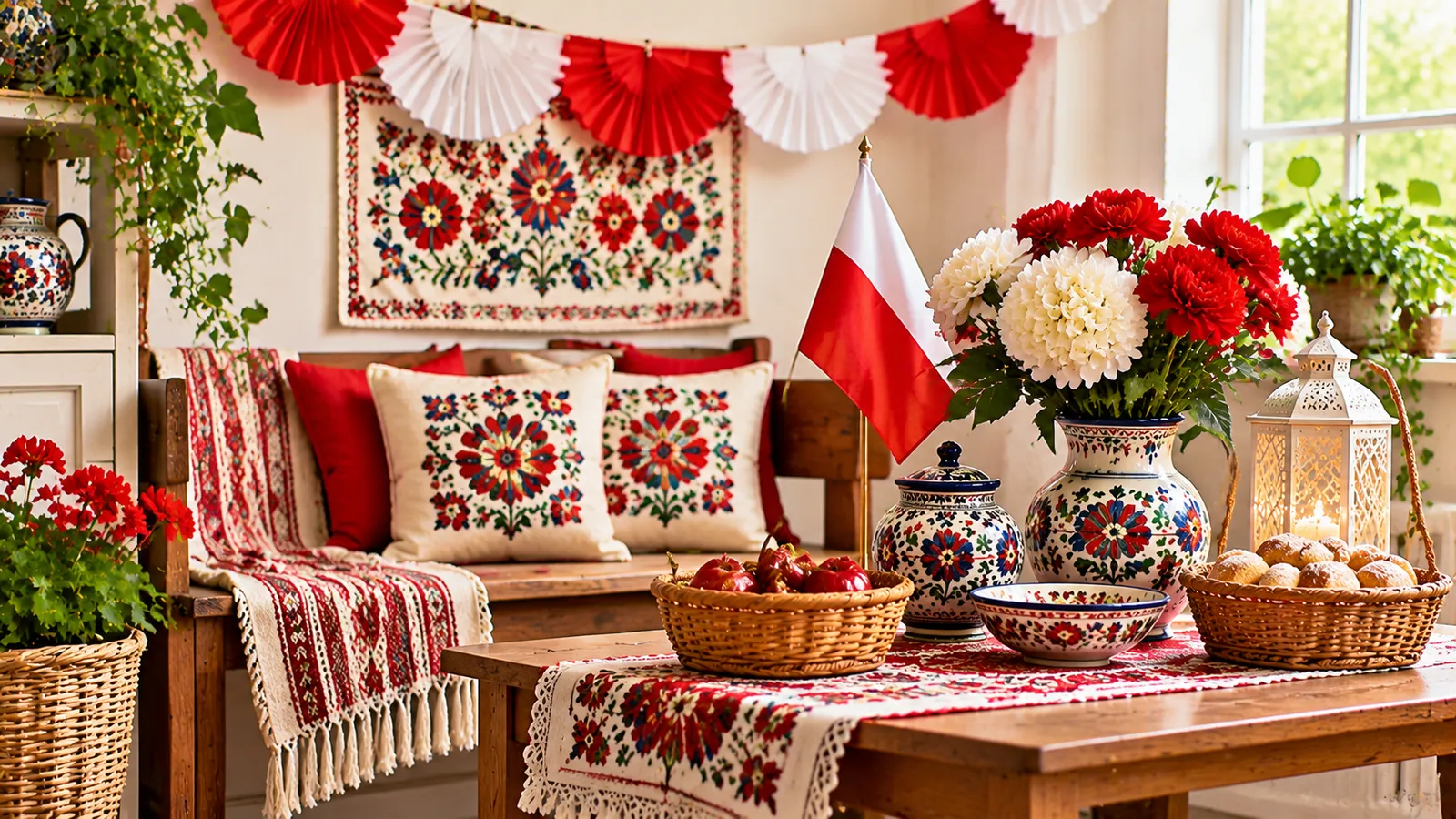
Give your celebration space a Polish-inspired look with simple decorations. Poland's national colors are white and red, so you can use these colors in table runners, flowers, paper garlands, napkins, and small decorative accents. Add traditional folk-inspired patterns, embroidered-style fabrics, ceramic pieces, and fresh greenery to create a warm setting.
Polish folk art includes many regional styles, so you can explore different patterns and crafts for inspiration. Paper cutouts, floral designs, and colorful folk motifs can work well for a home or classroom display. Avoid relying only on flags and color decorations; include a small note or book about the designs you are using. This gives guests a chance to learn something about Polish art while enjoying the festive setup.
Set Up a Polish Heritage Craft Station
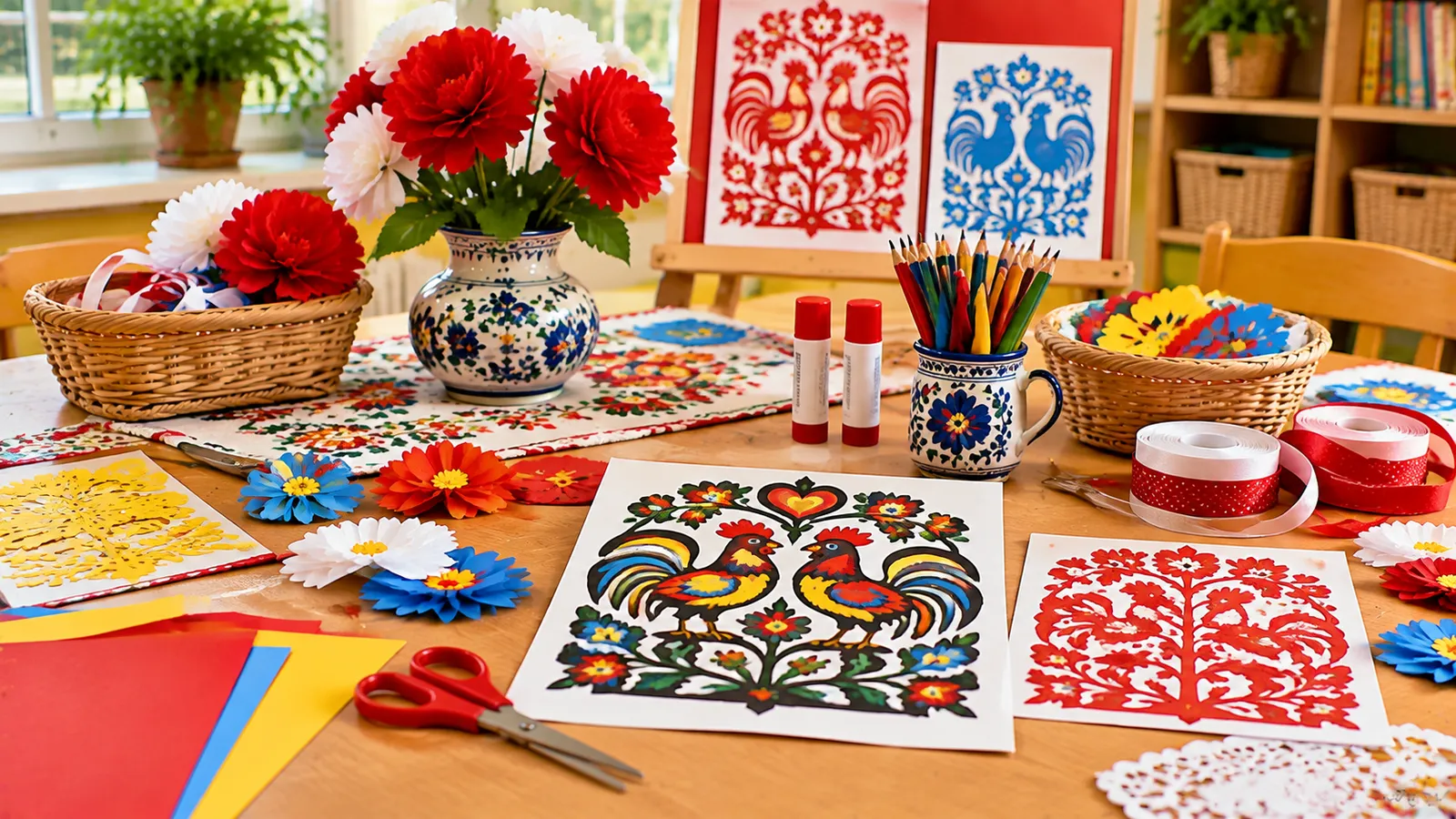
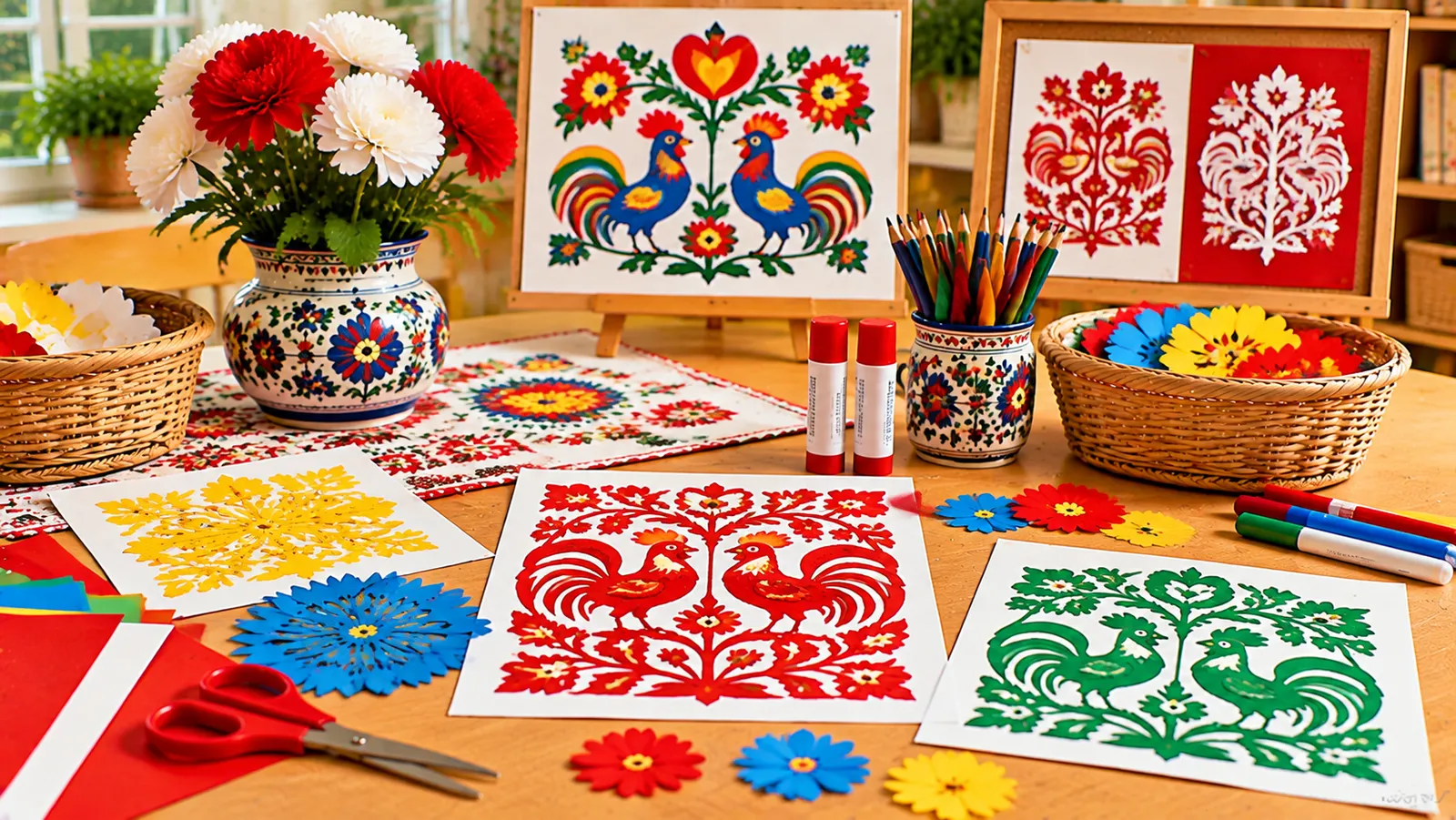
A craft station is a fun way for children and adults to explore Polish-inspired art. Gather colored paper, scissors, glue, markers, ribbons, and simple craft materials. Participants can make paper flowers, folk-art-inspired bookmarks, decorative paper cutouts, or small ornaments using red, white, green, and other cheerful colors.
You can introduce the activity by showing examples of Polish folk designs, including floral patterns and traditional paper-cutting art known as wycinanki. Explain that designs can differ from one region to another. Let children create their own versions rather than expecting everyone to copy one pattern exactly. When the crafts are finished, display them on a wall, table, or bulletin board to make the celebration feel personal and colorful.
Enjoy Polish Music and Dancing
Music is a wonderful way to bring energy to a Polish American Heritage Month gathering. Create a playlist with a mix of traditional Polish folk music, polka, classical selections, and contemporary Polish or Polish American artists. This gives guests a chance to hear different styles and discover music they may not know.
If you are hosting a family event, make room for a simple dance activity. You could demonstrate a few easy steps, invite guests to follow along, or simply enjoy a lively polka together. If a local Polish dance group is available, consider inviting them to perform or teach a short lesson. Share the names of the music and dances so guests can connect what they hear with the cultural traditions being celebrated.
Prepare a Polish Dessert and Coffee Table
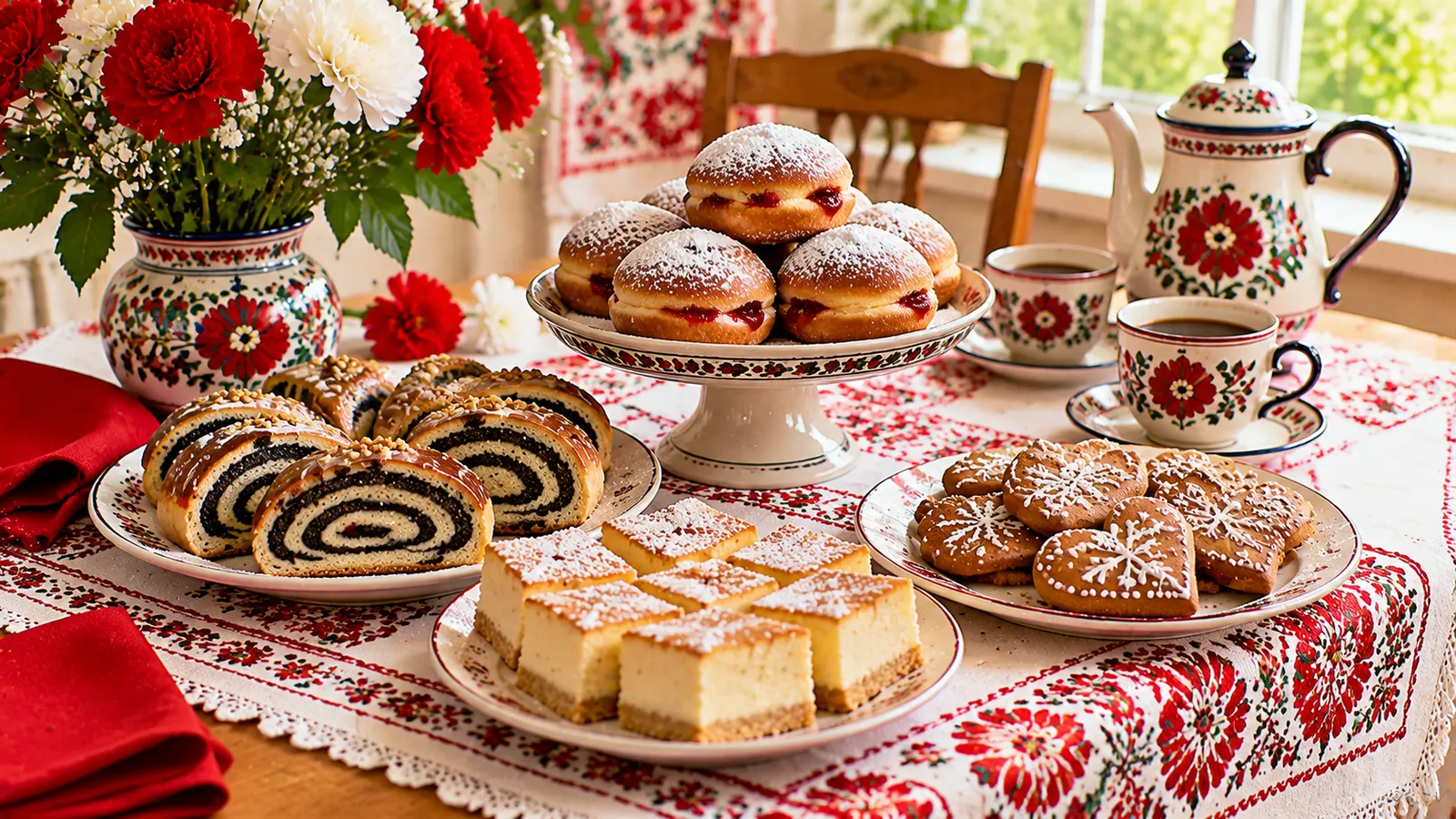
A dessert table can make a heritage celebration feel extra special. Arrange Polish treats such as paczki, makowiec, sernik, pierniki, or other sweets enjoyed by Polish families. Use cake stands, serving plates, small napkins, and a few red and white decorations to create a neat and inviting presentation.
You can serve coffee, tea, or warm drinks alongside the desserts. Add small labels with the names of the treats and, if you know it, a short note about the ingredients or tradition. Some Polish desserts are connected with particular holidays or family occasions, which can make them interesting conversation starters. If guests have different dietary needs, include a few simple alternatives so everyone can enjoy the table.
Create a Polish American Reading Corner
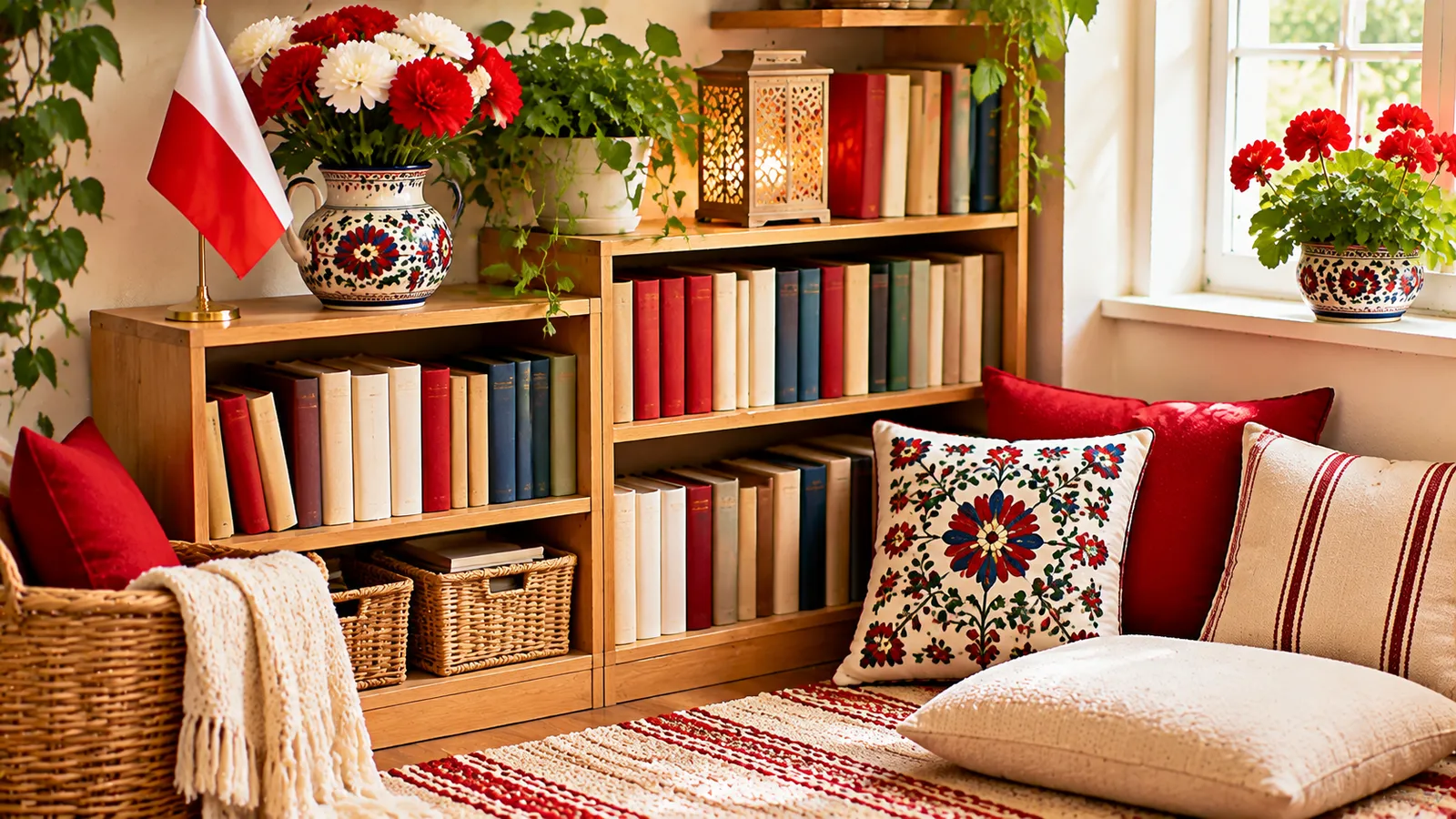
Books can help children and adults discover Polish history, family traditions, and stories about Polish American life. Set up a quiet reading corner with books about Poland, Polish American biographies, children's stories, folk tales, and books by Polish or Polish American authors. Add comfortable cushions, a soft rug, and a small basket of books for younger readers.
Choose a mix of fiction and nonfiction so visitors can explore different subjects. A picture book might introduce children to Polish traditions, while a biography can help older readers learn about an important Polish American figure. You can also include books about immigration and family history. Invite someone to read a story aloud, then ask children what they found interesting or what they would like to learn more about.
Organize a Polish American Heritage Picnic
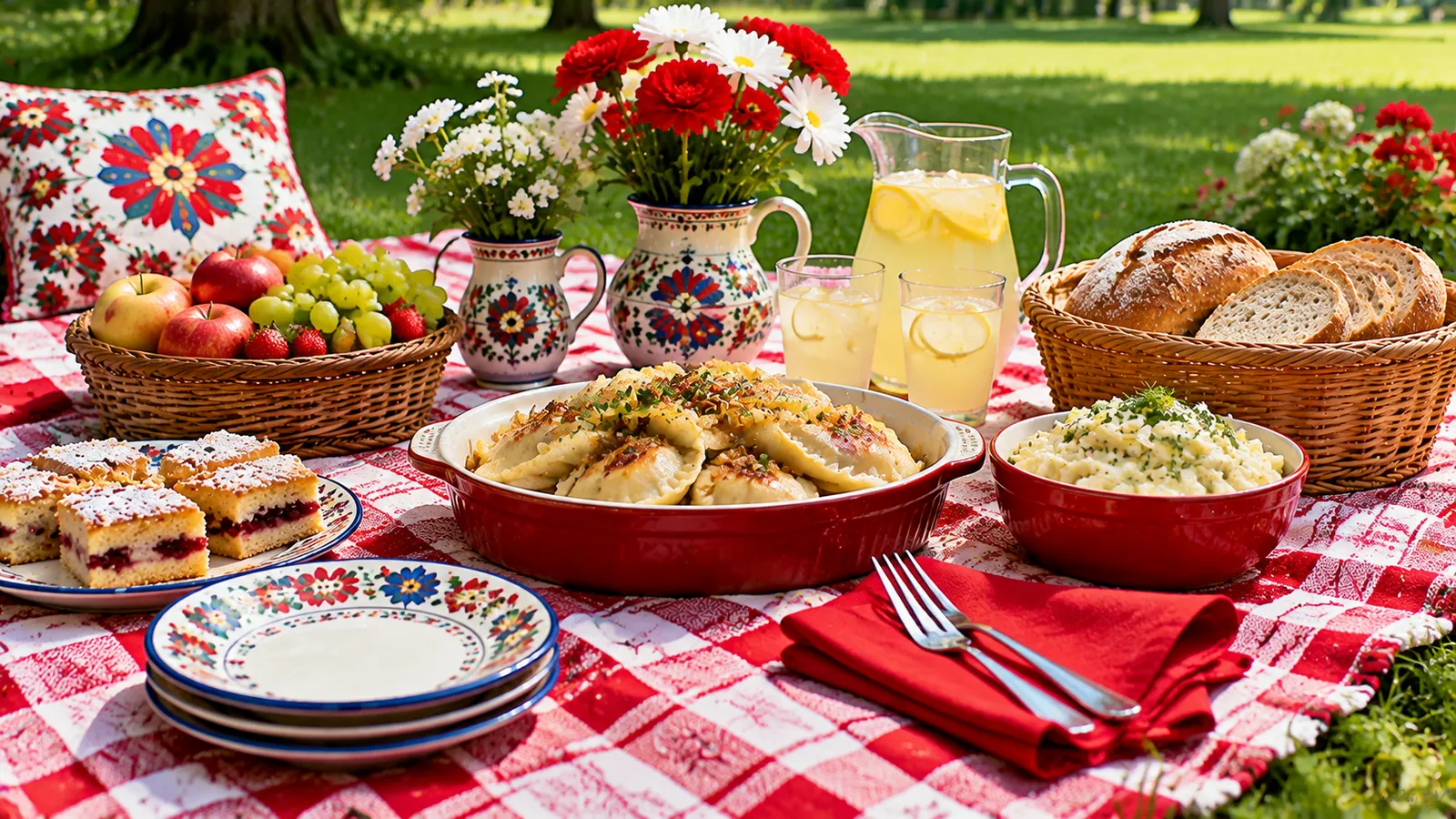
A picnic is a relaxed way to celebrate with family, friends, or neighbors. Choose a park, backyard, or community garden and bring blankets, reusable plates, drinks, and foods inspired by Polish recipes. Sandwiches, potato salad, fresh fruit, pastries, and easy-to-share snacks can make the gathering simple to organize.
Add a few activities to make the picnic enjoyable for different ages. Children can work on Polish flag coloring sheets, simple crafts, or a small geography activity. Adults can share family recipes, stories, and memories connected with Polish traditions. You might also bring a few books or create a small information table about Polish American history. Keep the setup comfortable and easy to clean up so everyone can enjoy the afternoon.
Explore Polish Folk Art and Paper Cutting
Polish folk art offers plenty of inspiration for a creative heritage activity. One well-known tradition is wycinanki, a form of decorative paper cutting that uses colorful shapes and detailed patterns. Set up a table with colored paper, child-safe scissors, glue, and examples of floral or symmetrical designs. Participants can make their own paper decorations and arrange them into a larger display.
You can also introduce other forms of Polish folk art, such as painted pottery, embroidered textiles, and decorative wooden crafts. Explain that styles and patterns vary across Poland, and many designs have regional roots. Use photographs or books from reliable sources to help guests understand what they are looking at. The goal is to enjoy the creative process while learning about the traditions behind the artwork.
Learn About Polish American History
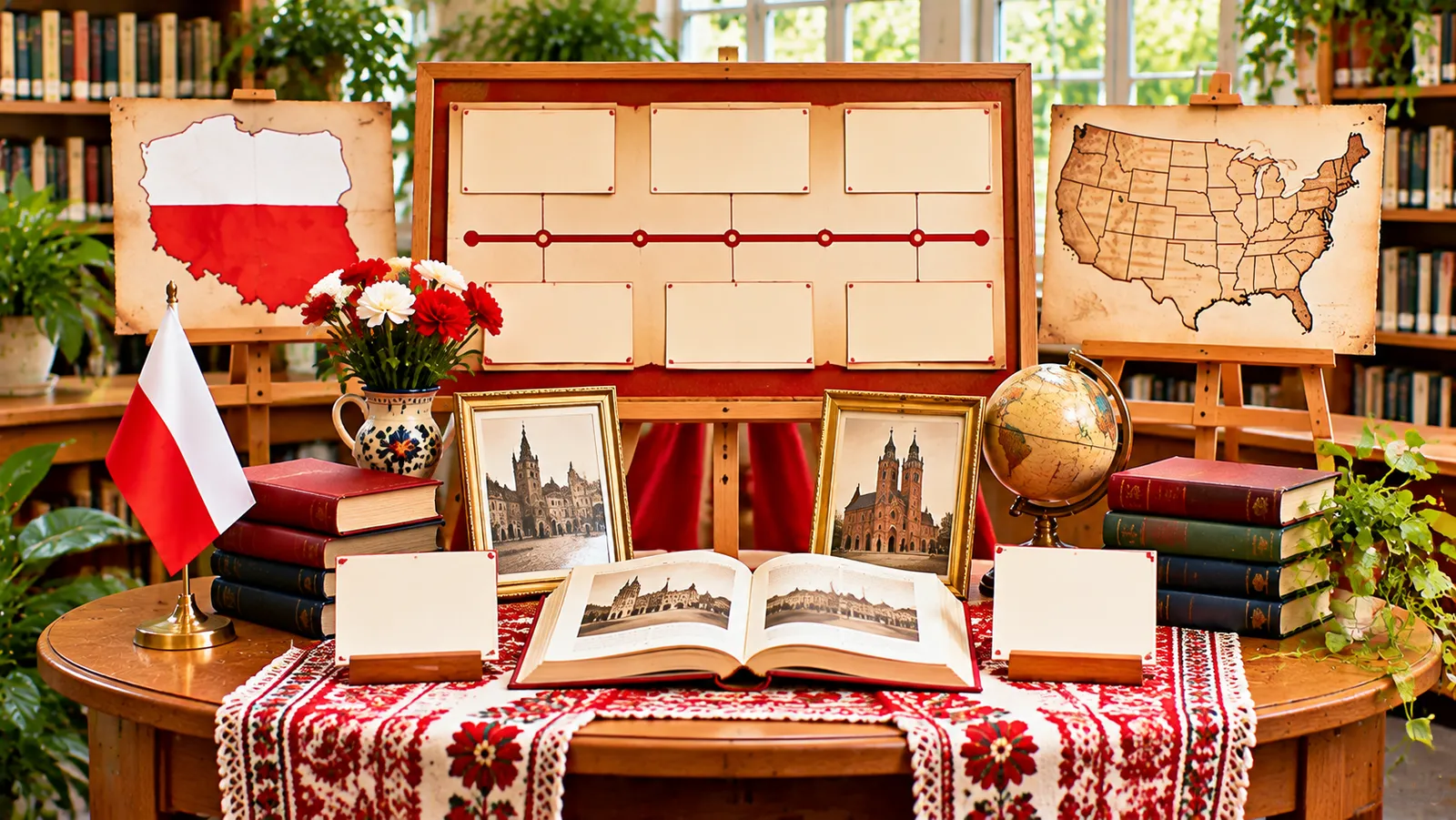
Polish American Heritage Month is a good time to explore the stories of Polish immigrants and their descendants in the United States. Create a simple timeline with important dates, historical photographs, maps, and short biographies. You can include information about early Polish settlements, immigration waves, community organizations, and the contributions of Polish Americans in public service, science, education, business, sports, and the arts.
Make the activity engaging by asking each participant to choose one person, place, or event to research. Children can prepare a short fact card or share a few sentences about what they learned. You might also look for local history resources that explain how Polish American communities developed in your state or city. Museums, libraries, and historical societies can be helpful places to find trustworthy information.
Set Up a Polish Welcome Table
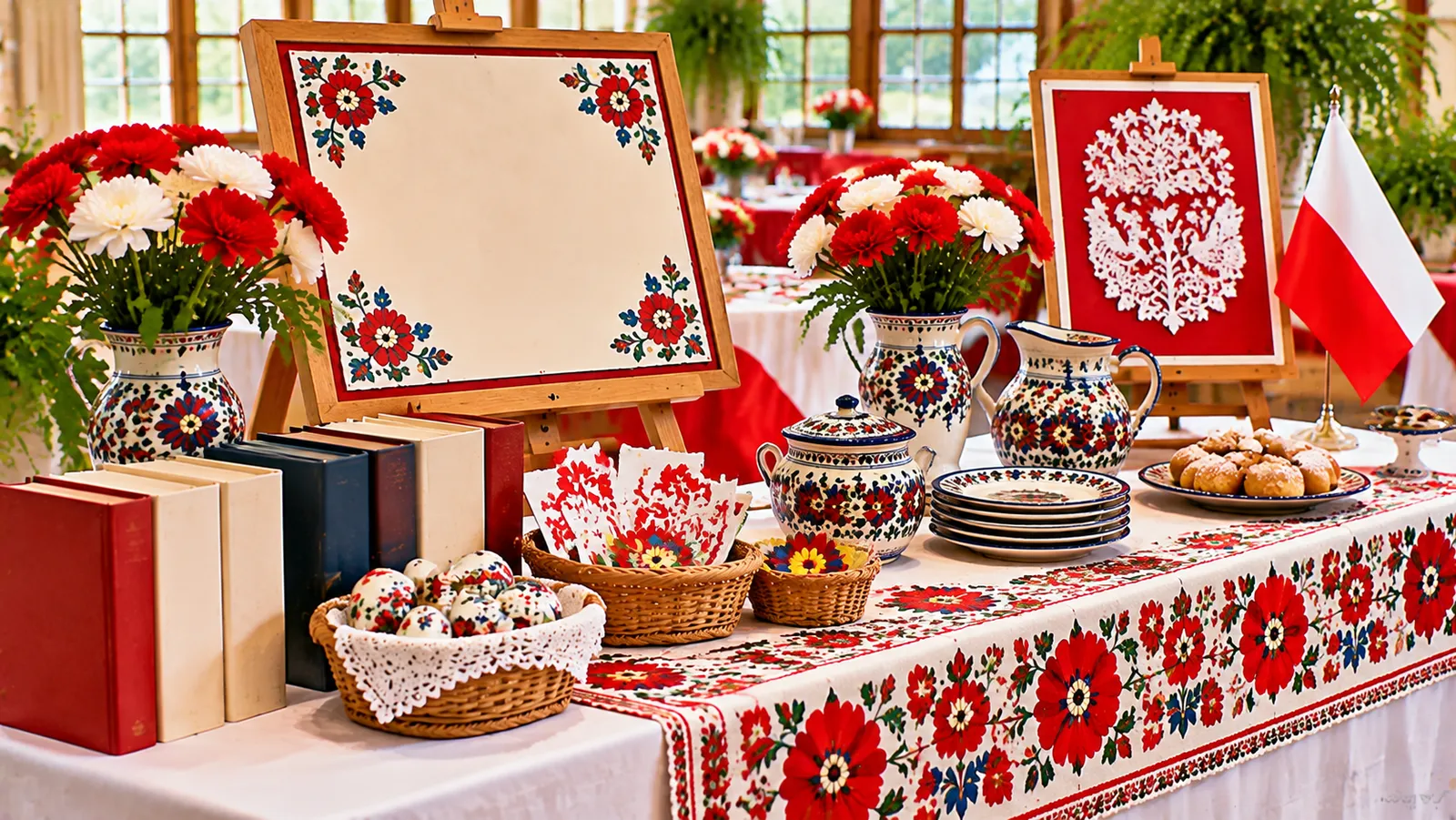
A welcome table is a simple way to introduce guests to the theme of your celebration. Place a small Polish flag, fresh flowers, books, a map of Poland, and a few decorative items on a table near the entrance. You can also include a blank guestbook, information cards, and a list of activities planned for the event.
If you are hosting a larger gathering, use the table to share a short introduction to Polish American Heritage Month. Include a few facts about the month and explain why Polish American history and traditions are being recognized. Keep the display friendly and easy to understand. Guests should be able to take a quick look, learn something, and feel welcome to join the activities.
Plan a Poland Geography and Culture Activity
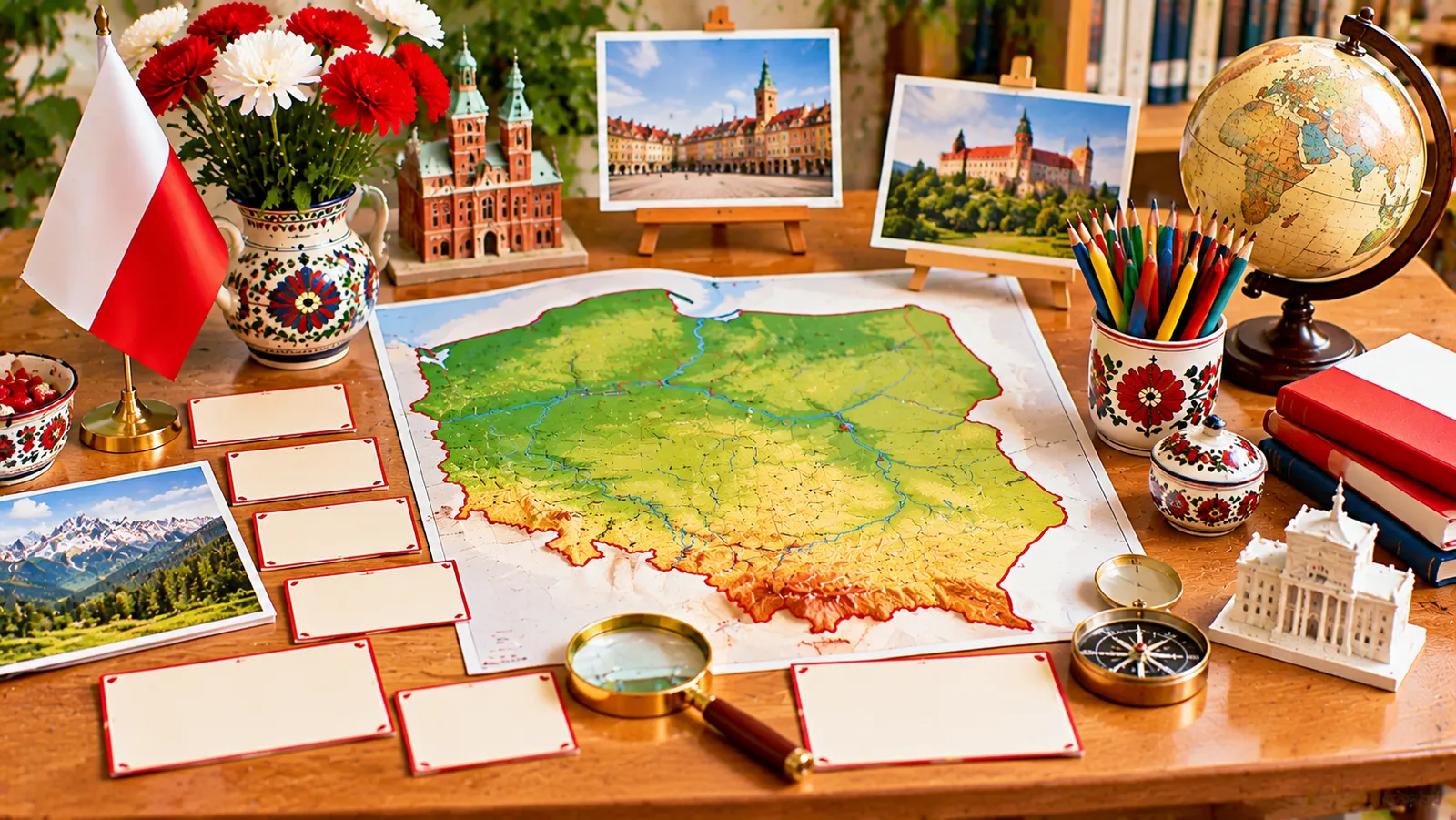
A geography activity can help children and adults learn more about Poland. Provide a map and invite participants to locate Poland in Central Europe, identify its capital city, Warsaw, and find places such as Kraków, Gdańsk, and the Tatra Mountains. You can add small cards with interesting facts about landmarks, landscapes, food, or cultural traditions.
Make the activity more interactive by giving participants a few clues and asking them to find the matching place on the map. You could also compare photographs of Polish cities, countryside, castles, and natural areas. This helps guests see that Poland has a wide range of landscapes and local traditions. The activity works well in classrooms, libraries, homeschool settings, and family gatherings.
Support Polish American-Owned Local Businesses
Supporting local businesses is a practical way to recognize the role Polish Americans play in communities across the country. Look for Polish bakeries, restaurants, grocery stores, specialty shops, bookstores, and other businesses in your area. You could visit a local bakery for paczki, enjoy a meal at a Polish restaurant, or purchase a product made by a Polish American business owner.
If you are planning a community celebration, consider inviting local business owners to take part. They might share a favorite recipe, offer a small tasting, display handmade products, or talk about their business. Ask permission before using business names or photographs in event promotions. Supporting local businesses is a simple way to connect cultural appreciation with the people who help keep community traditions alive.
Host a Polish American Film or Documentary Night
A film night can help guests learn about Polish history, immigration, and Polish American experiences. Choose a family-friendly documentary, short film, or movie that explores Polish culture or the lives of Polish American families. Check the age rating and subject matter before inviting children, and select something that suits the audience.
After the screening, allow time for a relaxed discussion. Ask guests what they learned, which parts of the story stood out, and whether the film introduced a new perspective. You can serve simple snacks or Polish desserts to make the evening feel welcoming. If you are planning a school or library event, include a short introduction to the film and a few questions to help guide the conversation afterward.
Attend a Local Polish American Heritage Event
Look for Polish American Heritage Month events in your city or nearby communities. Polish cultural centers, churches, museums, libraries, universities, and community organizations may host festivals, folk music performances, dance events, lectures, art exhibitions, and traditional food gatherings during October. These events can be a great way to learn directly from people who are involved in preserving and sharing Polish American traditions.
Check the event details before making plans, including dates, registration requirements, parking, accessibility, and whether activities are suitable for children. If you cannot find an event nearby, look for an online cultural program or organize a small gathering with family and friends. Taking part in a local event can make the month more memorable and help you discover Polish American organizations and activities in your area.
Frequently Asked Questions
### 1. When Is Polish American Heritage Month Celebrated?
Polish American Heritage Month is observed in October in the United States. It is a time to recognize Polish American history, cultural traditions, and contributions to American communities.
### 2. How Can Families Celebrate Polish American Heritage Month at Home?
Families can celebrate by preparing Polish dishes, listening to Polish music, making folk-inspired crafts, reading books about Poland and Polish American history, and sharing family stories. A simple dinner or craft afternoon can be a meaningful way to learn together.
### 3. What Are Some Easy Polish American Heritage Month Activities for Schools?
Schools can organize Polish geography activities, cultural displays, book readings, folk-art crafts, music lessons, and short history projects. Teachers can also invite local Polish American community members or cultural groups to share their knowledge and experiences.
### 4. Why Is Polish American Heritage Month Important?
Polish American Heritage Month recognizes the history, culture, and contributions of Polish Americans. It gives families and communities a chance to learn about Polish immigration, celebrate cultural traditions, and appreciate the role Polish Americans have played in shaping the United States.
Related Ideas
15 New Year's Day Celebration Ideas for a Fresh Start
15 Martin Luther King Jr. Day Celebration Ideas for Families
15 Presidents' Day Celebration Ideas for Families
15 Memorial Day Celebration Ideas to Honor and Remember
15 Juneteenth Celebration Ideas for Families and Friends
15 Fourth of July Celebration Ideas for a Festive Day
15 Labor Day Celebration Ideas for a Fun Holiday Weekend
15 Columbus Day Celebration Ideas for Families
15 Indigenous Peoples' Day Celebration Ideas for Families
15 Veterans Day Celebration Ideas for Families and Friends
15 Thanksgiving Day Celebration Ideas for Families
15 Christmas Day Celebration Ideas for Families
15 Inauguration Day Celebration Ideas for Families
15 Flag Day Celebration Ideas for Families
15 Constitution Day Celebration Ideas for Families
15 Patriot Day Remembrance Ideas for Families
15 Pearl Harbor Remembrance Day Ideas for Families
15 National Day of Prayer Ideas for Families
15 National Night Out Ideas for Families and Neighbors
15 Black History Month Celebration Ideas for Families
15 Women's History Month Event Ideas for All Ages
15 AANHPI Heritage Month Celebration Ideas for Families
15 Native American Heritage Month Celebration Ideas
15 LGBTQ+ Pride Month Celebration Ideas for Everyone
15 Caribbean American Heritage Month Celebration Ideas
15 Hispanic Heritage Month Celebration Ideas
15 Italian American Heritage Month Celebration Ideas
15 Arab American Heritage Month Celebration Ideas