15 Fun Ideas for Local Heritage Festivals
Local heritage festivals are a wonderful way to celebrate the stories, traditions, and cultures that make each community special. Across the United States, towns and cities host events that highlight local history, traditional food, music, art, crafts, and customs passed down through generations. Some festivals focus on a particular cultural tradition, while others celebrate the history of a town, region, or group of local families. These gatherings give residents a chance to learn about their community and enjoy time together.
You do not have to organize a large festival to take part in a heritage celebration. A neighborhood gathering, school event, library display, cultural food table, or traditional craft activity can all help people connect with local history. Whether you are planning a community event or looking for family-friendly ways to enjoy a festival, these ideas can help make the occasion welcoming, interesting, and fun for visitors of different ages.
Explore the History Behind Your Local Heritage Festival
A good place to start is by learning what your local heritage festival celebrates. Some events honor the founding of a town, while others recognize the traditions of cultural communities that have helped shape the area. Look into the history behind the event, including important dates, local stories, traditional celebrations, and the people who helped keep those customs alive. You may discover interesting details that are not widely known, even among longtime residents.
If you are attending with children, make the history easy to explore. Read a little about the festival before you go, look at old photographs, or visit a local library to find books about the area's past. During the event, pay attention to displays, demonstrations, and performances that explain the traditions being celebrated. Understanding the background can make the festival more meaningful than simply walking around and enjoying the activities.
Visit a Traditional Food and Tasting Area
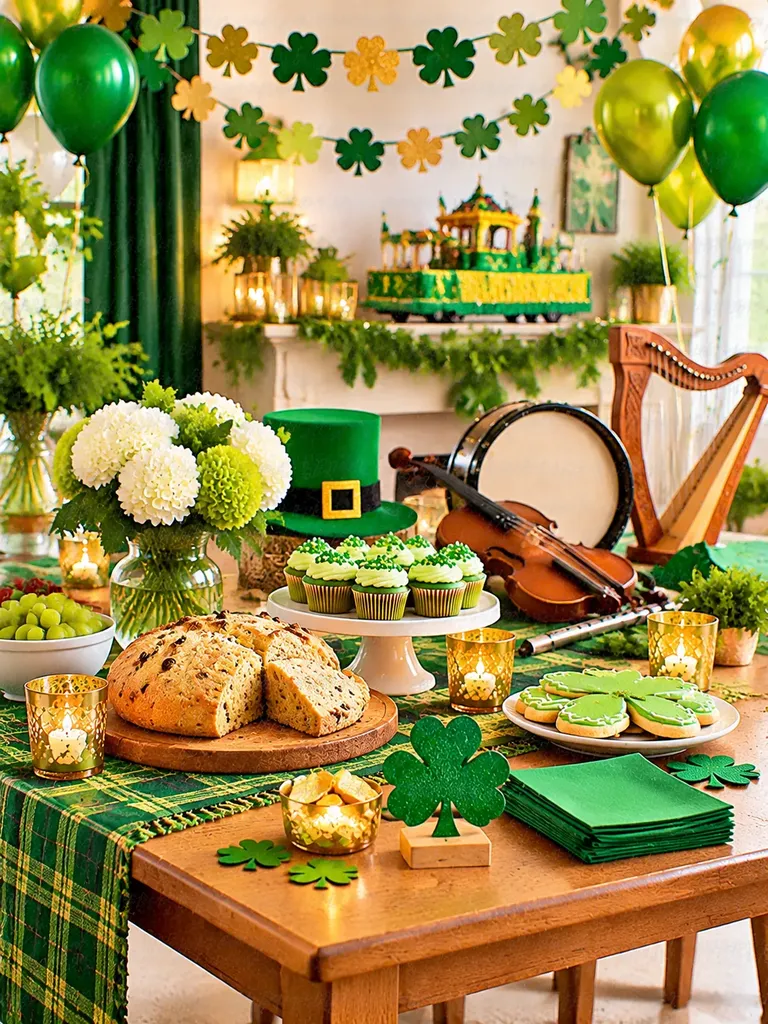
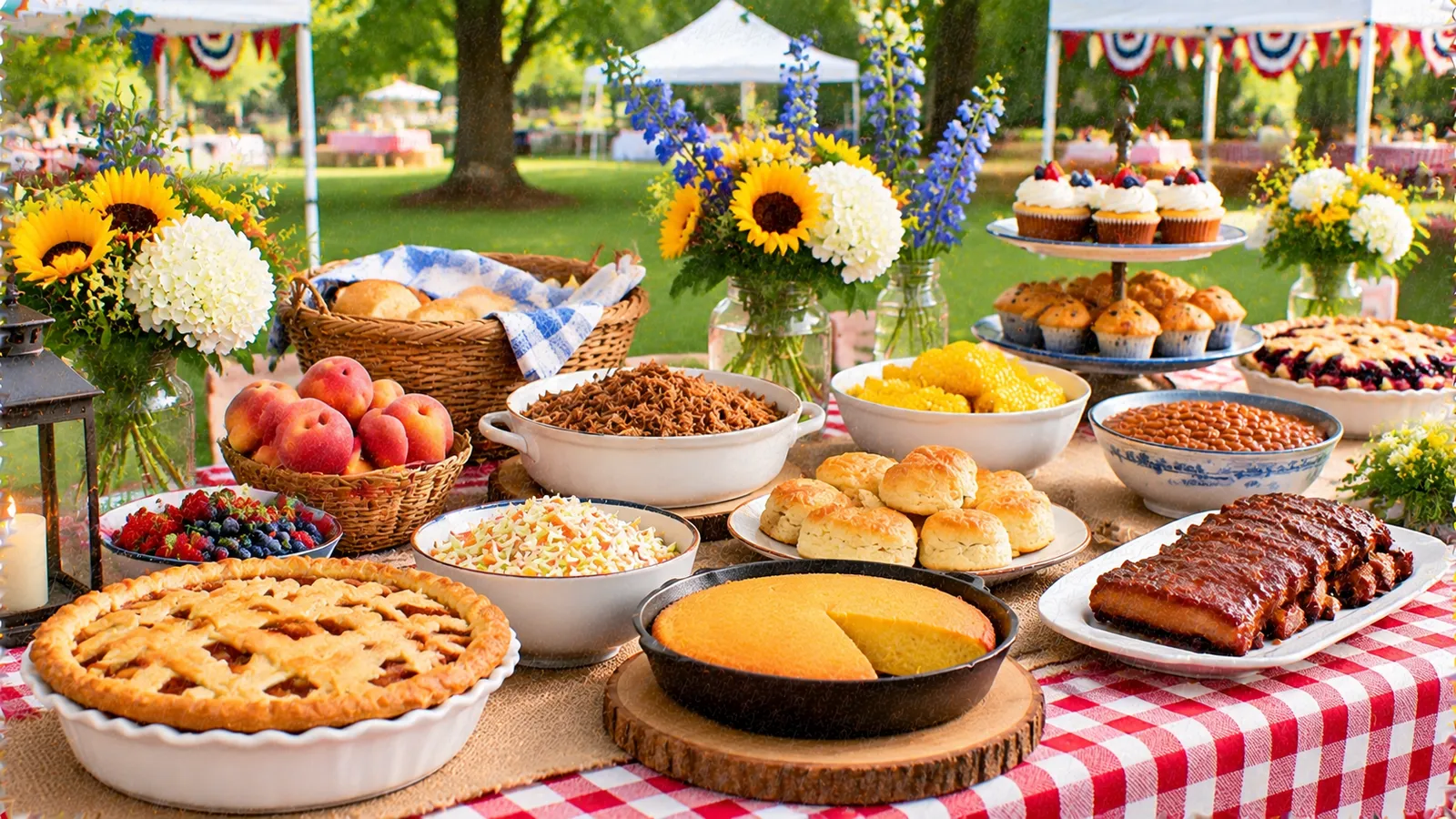
Food is often one of the most enjoyable parts of a heritage festival. Local cooks, restaurants, food vendors, and community groups may prepare dishes connected with their cultural or regional traditions. You might find homemade breads, regional barbecue, traditional pastries, family recipes, seasonal dishes, or foods that have been enjoyed in the area for generations. Trying something new can be a fun way to learn about another culture.
If you are attending with family, consider sharing a few smaller dishes instead of ordering one large meal for everyone. This gives children a chance to taste different foods without feeling pressured to finish something unfamiliar. Ask vendors about the history of a dish when they have time to explain it. Check ingredient and allergy information before buying food, especially for young children or guests with dietary restrictions.
Enjoy Traditional Music and Dance Performances
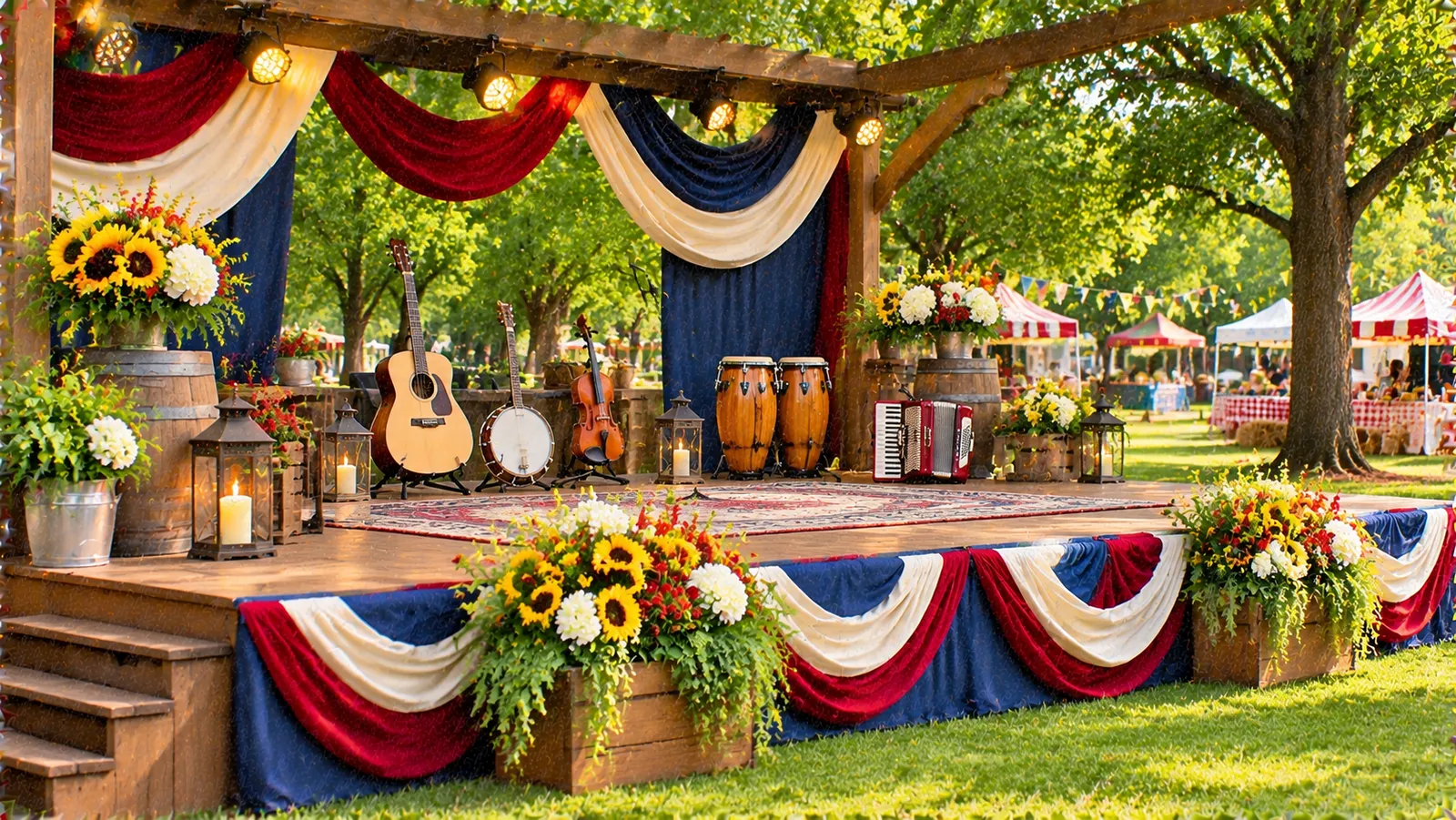
Music and dance can bring heritage celebrations to life. Many festivals invite local musicians, cultural performers, school groups, and dance organizations to share traditional styles with visitors. Depending on the event, you may hear folk music, regional songs, drumming, instrumental performances, or music connected with a particular cultural tradition. These performances help keep important art forms visible and give visitors a chance to experience them firsthand.
Look at the festival schedule before you arrive so you do not miss a performance that interests your family. Children may enjoy watching colorful costumes, learning simple dance steps, or listening to instruments they have never heard before. Some festivals offer short demonstrations or audience participation activities. Encourage children to watch respectfully and remember that traditional music and dance can have deep meaning for the communities sharing them.
Browse Local Art and Handmade Crafts
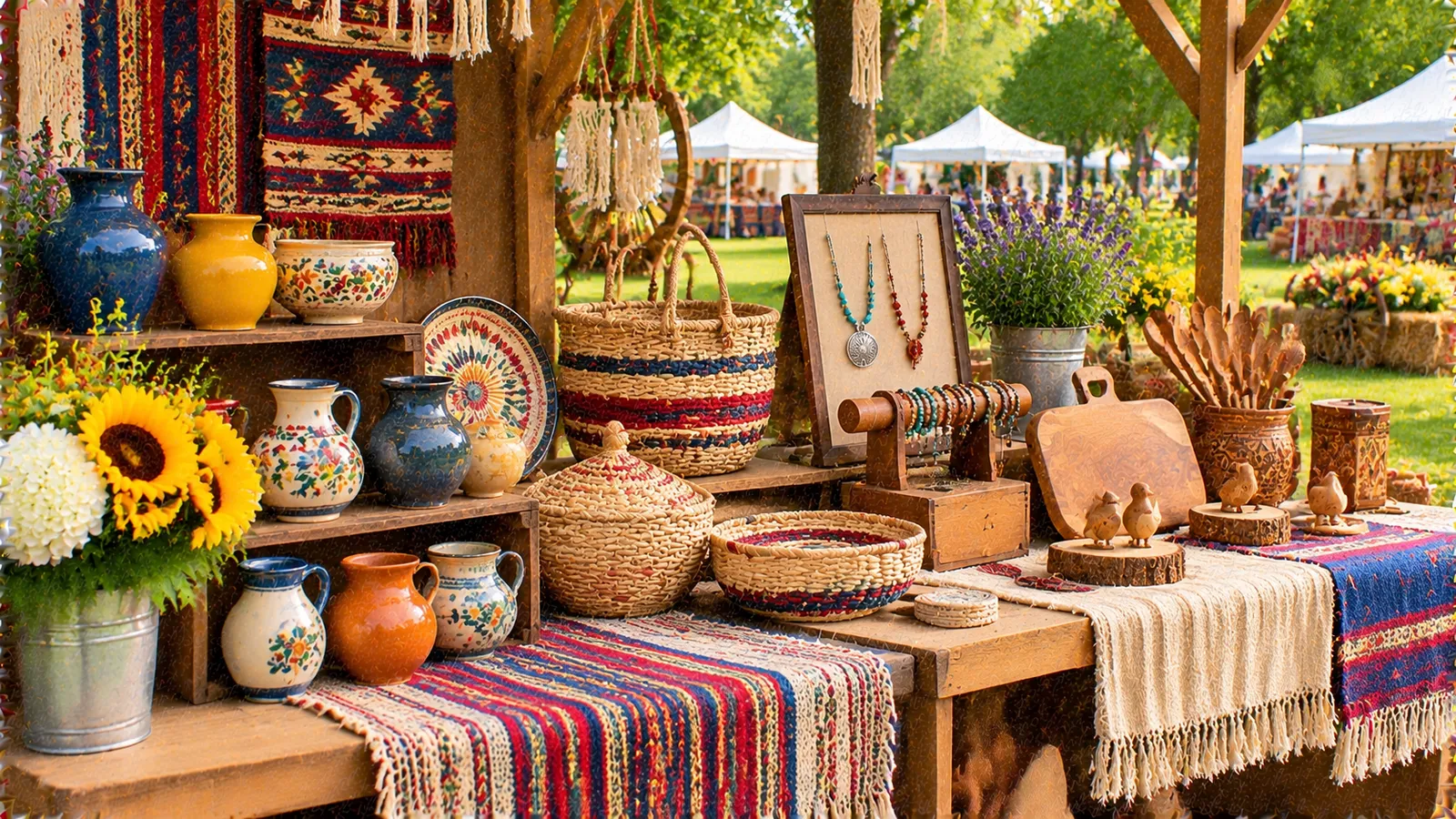
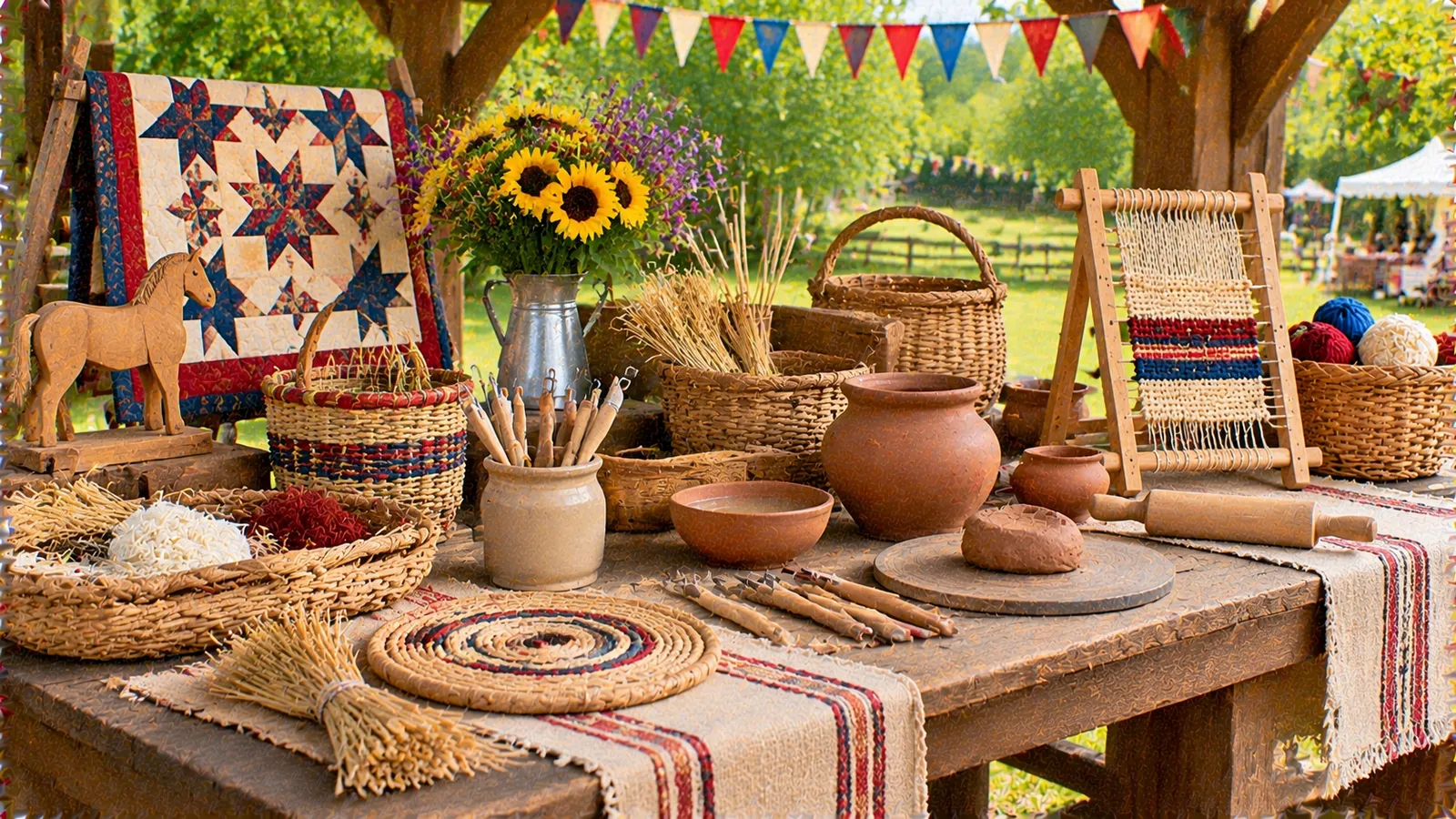
A heritage festival often provides a chance to see handmade items created by local artists and craftspeople. Look for pottery, woven pieces, woodwork, jewelry, paintings, textiles, baskets, and other items connected with local or cultural traditions. Some artists may demonstrate how they make their work, allowing visitors to see the time and skill involved in creating each piece.
Take time to speak with artists when they are available. They may explain where their techniques come from, what materials they use, or how their work connects with family and community traditions. Children can enjoy looking at the different colors, shapes, and textures while learning that handmade crafts often carry a story. If you plan to buy something, consider choosing a small item made by a local artist as a keepsake from the festival.
Create a Local Heritage History Display
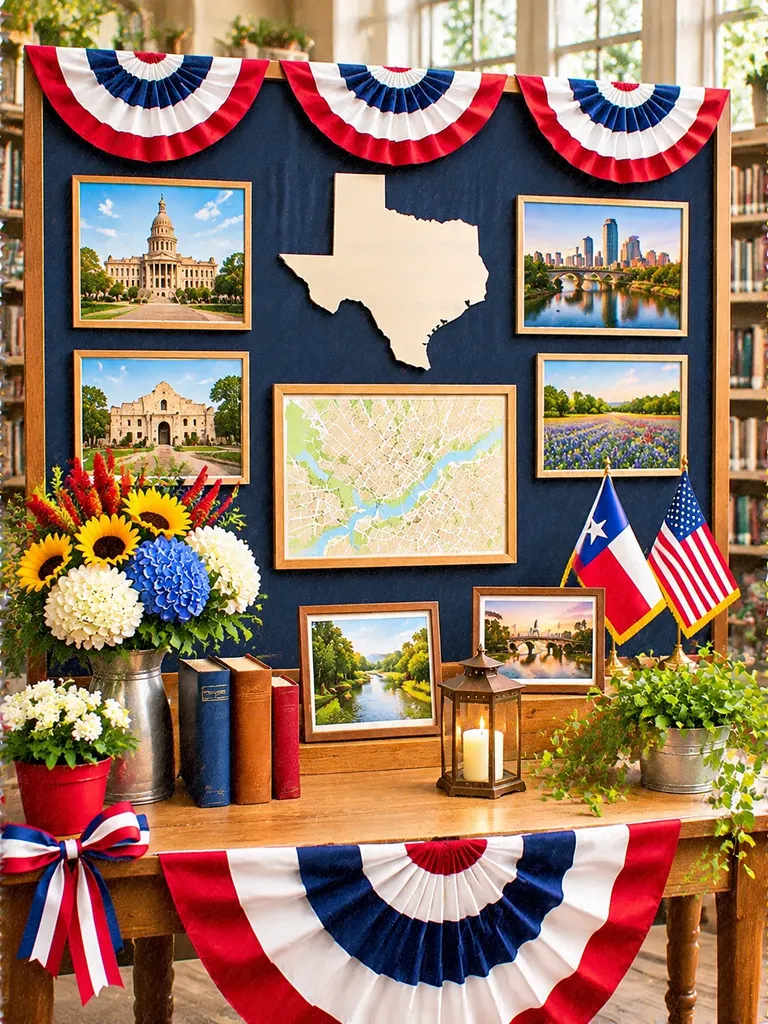
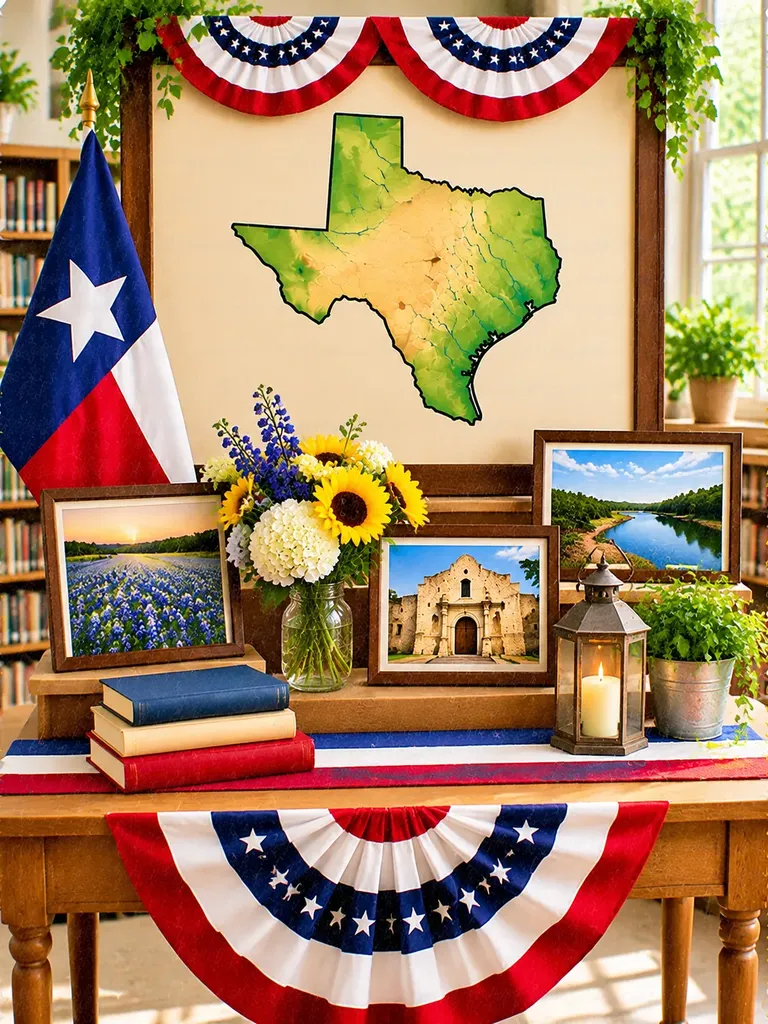
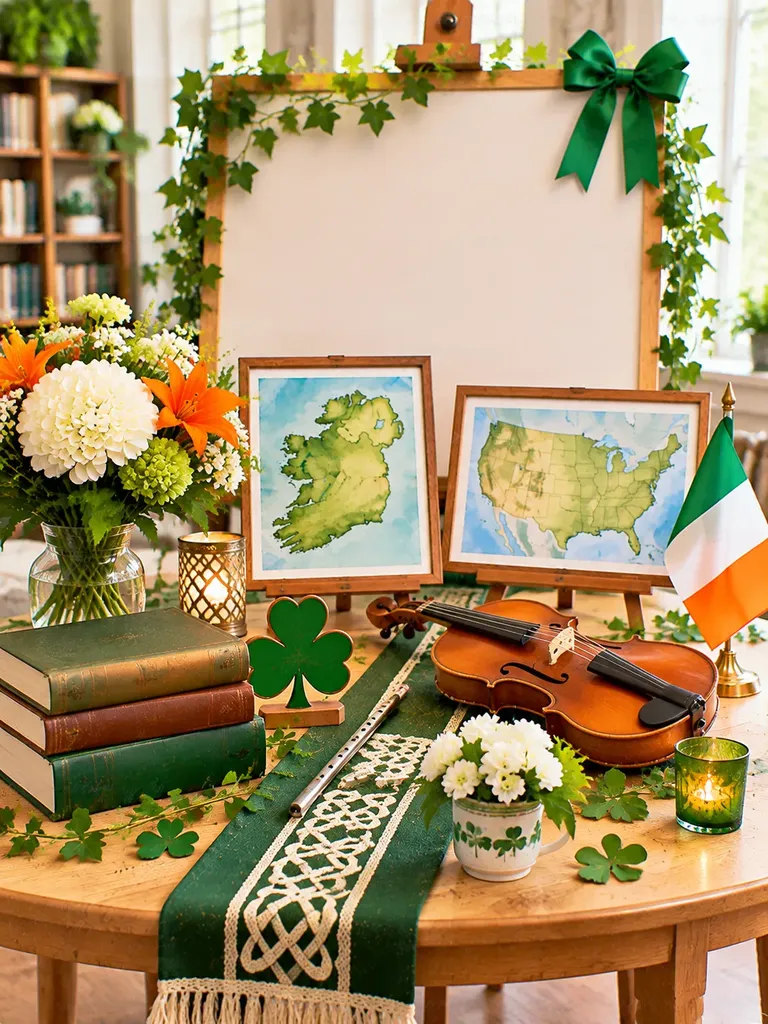
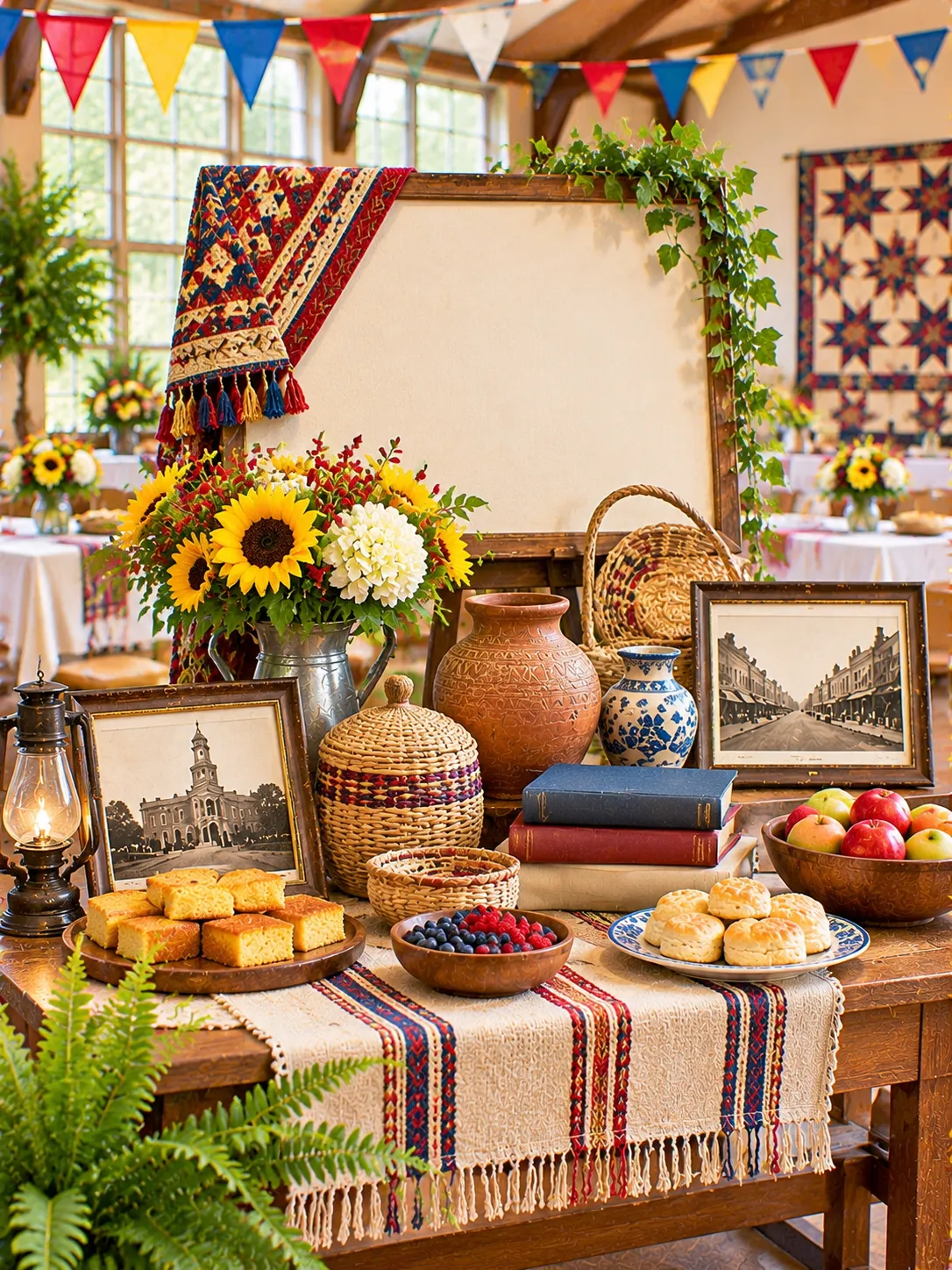
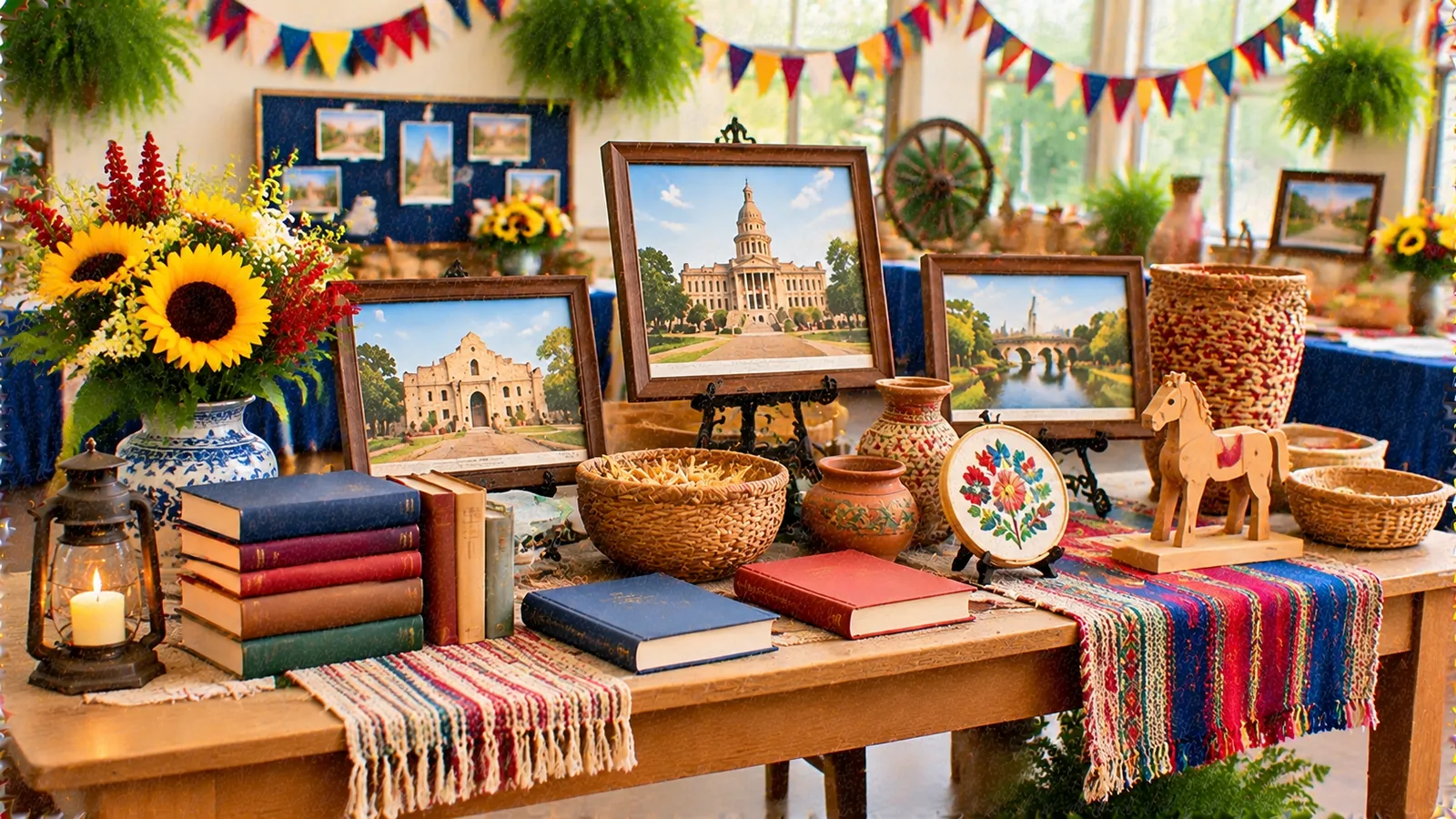
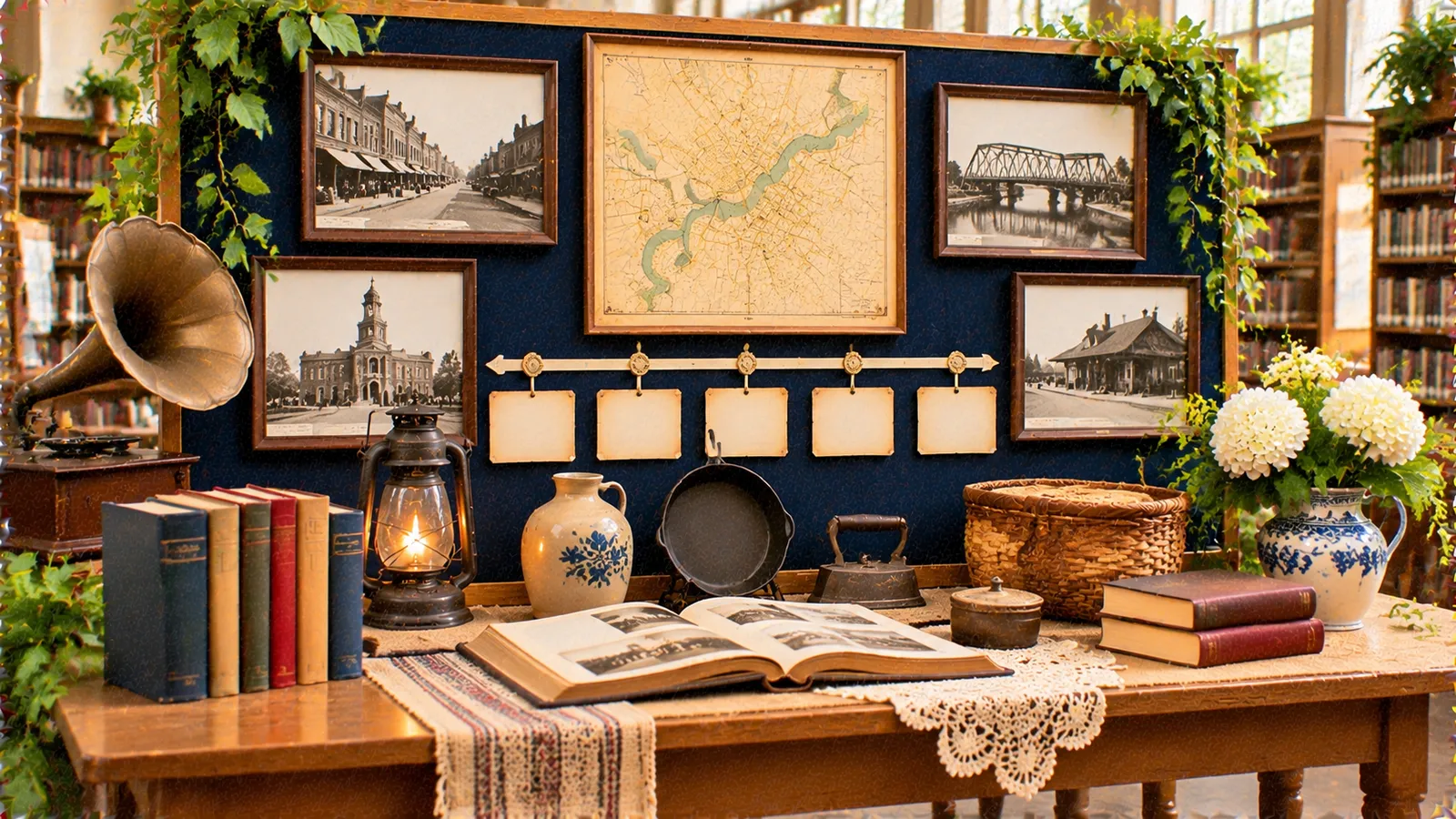
A history display can help visitors understand the people, places, and events connected with a local heritage celebration. Set up a table or board with historic photographs, old maps, copies of family records, pictures of important buildings, and short descriptions of local traditions. You might also include information about how the community has changed over time and how different groups have contributed to its development.
Libraries, schools, community centers, and neighborhood organizations can all create displays like this. Keep the information easy to read and organize it into small sections so visitors can explore at their own pace. If you include personal family photographs or stories, get permission from the people who own or appear in them. A thoughtful display can help younger visitors connect with local history and encourage older residents to share memories.
Organize a Heritage Storytelling Corner
Storytelling is a simple way to share traditions and personal experiences. A festival storytelling corner could include local historians, community elders, family members, authors, or invited speakers who are comfortable sharing stories. They might talk about how the town developed, how a cultural tradition is celebrated, or what community life was like in earlier generations. Stories can help visitors understand history through real experiences.
For a family-friendly activity, plan short sessions with time for questions. Children may enjoy listening to stories about old neighborhoods, traditional celebrations, or memorable local events. You can also create a quiet reading area with books about regional history and cultural traditions. Make sure stories are shared respectfully and accurately, especially when they relate to communities whose histories have not always been well represented.
Set Up Traditional Craft Activities for Children
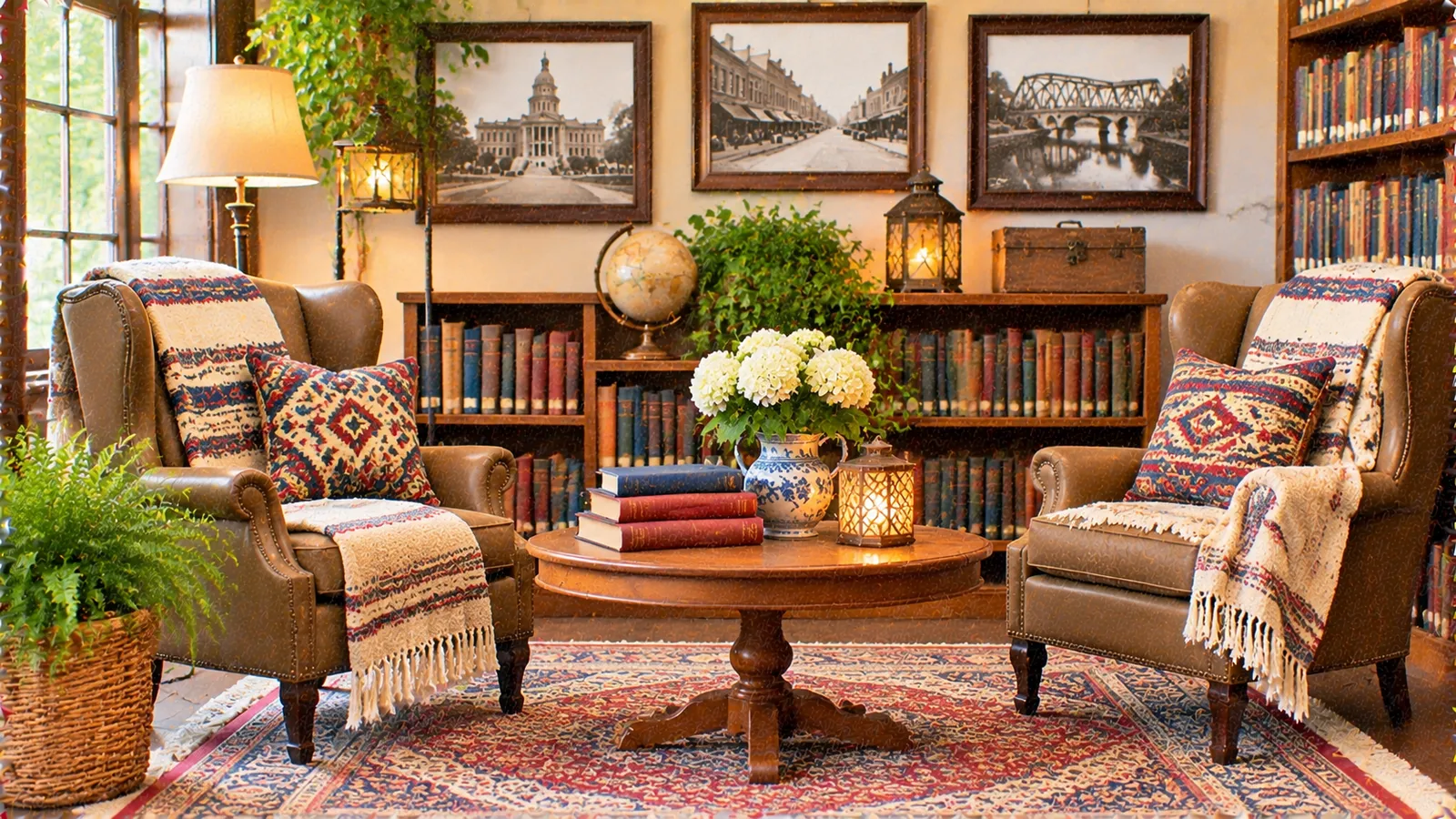
Hands-on crafts give children a fun way to take part in a heritage festival. Depending on the event's theme, activities might include simple weaving, paper decorations, clay shapes, painting, textile patterns, or small projects inspired by local landmarks. Choose activities that are suitable for different ages and use materials that are easy to clean up. Clear instructions can help children complete a project without needing constant assistance.
Before starting, explain the connection between the craft and the tradition being celebrated. Avoid treating meaningful cultural objects as costumes or simple decorations without understanding their background. When possible, invite artists or community members with knowledge of the craft to guide the activity. Children can take their finished projects home as reminders of what they learned and enjoyed during the festival.
Visit Local History and Heritage Exhibits
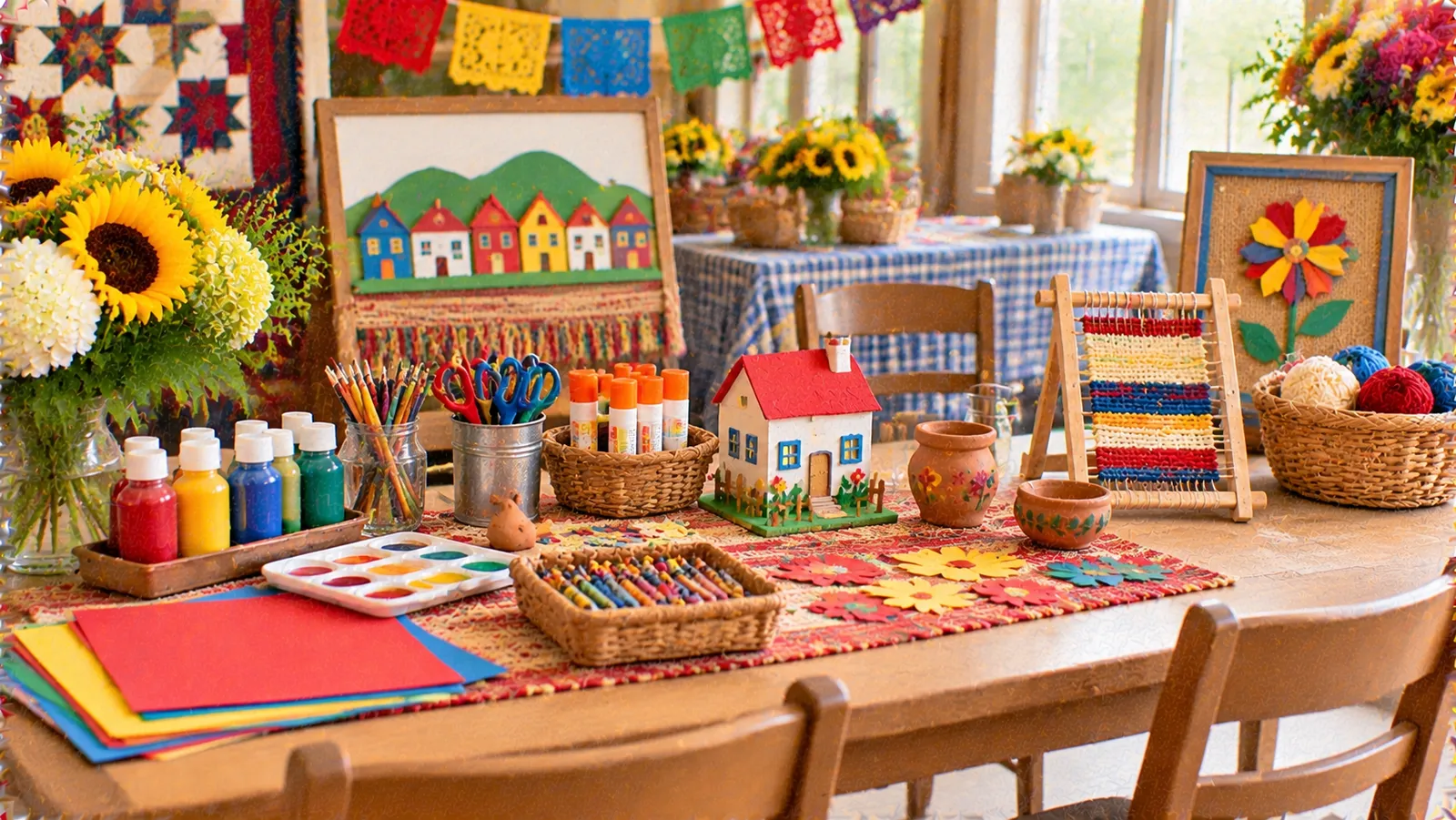
Many communities have museums, historical societies, cultural centers, and heritage organizations that preserve local stories. Some host special exhibits or guided activities during festival season. These places may display photographs, clothing, household objects, tools, artwork, documents, or other items that help explain how people lived and worked in the past. A visit can add useful context to the performances and activities at a festival.
Check the venue's website before visiting to find opening hours, admission details, accessibility information, and any special programs. If you are bringing children, look for interactive exhibits or family activity sheets. Encourage them to notice how everyday objects have changed over time. A museum visit can be a good way to spend a quieter part of the day while learning more about the area's heritage.
Enjoy a Heritage Parade or Community Procession
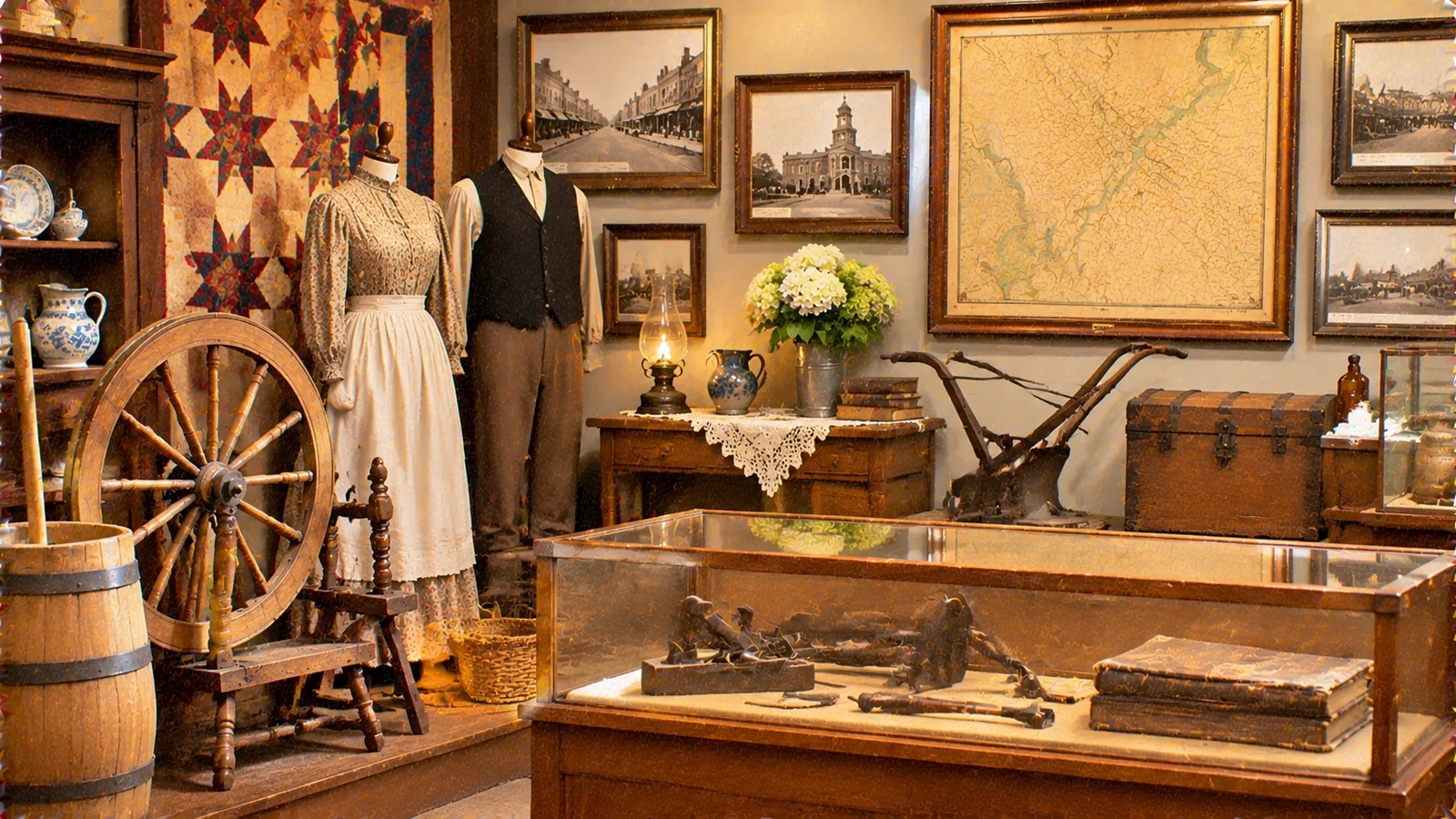
Some heritage festivals include parades or community processions that bring local groups together. Participants may include school bands, cultural organizations, community clubs, decorated vehicles, local performers, and historical groups. A parade can create a lively atmosphere and give residents a chance to show their community pride. Smaller towns may organize a simple procession along a main street, while larger festivals may have a more detailed route and schedule.
Find out where the parade begins, how long it lasts, and which streets may be closed. Arrive early if you want a comfortable viewing spot, and keep children away from moving vehicles and restricted areas. If you are helping organize the event, work with local officials and follow rules for permits, traffic, accessibility, and safety. A well-planned procession can be a memorable part of the festival.
Try Regional Games and Family Activities
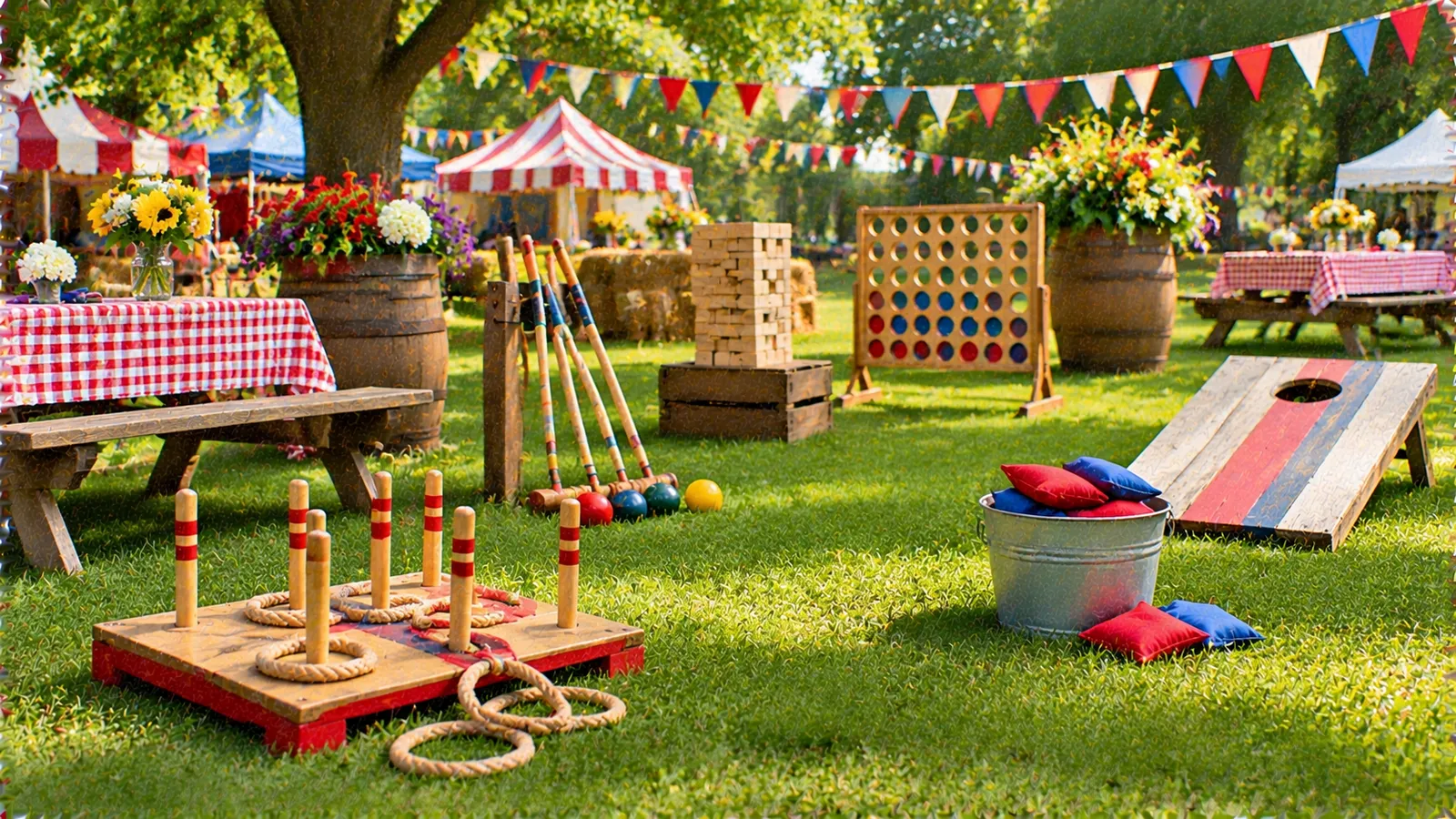
Traditional games and simple outdoor activities can make a heritage festival enjoyable for visitors of all ages. Depending on local customs, you might find lawn games, folk games, friendly contests, storytelling challenges, or demonstrations of traditional sports. Some festivals also include activity areas where families can try something new together. These experiences help visitors take part instead of only watching performances.
If you are planning a family activity area, choose games that are easy to understand and safe for the space available. Include options for younger children and visitors who prefer quieter activities. You could also prepare a local history quiz, a picture-matching game, or a festival scavenger hunt. Keep the focus on participation and learning rather than competition, so everyone feels welcome.
Support Local Heritage Groups and Small Businesses
Local heritage festivals often depend on the work of community organizations, cultural groups, artists, volunteers, and small businesses. Visiting their booths or learning about their work is a practical way to support the people who help keep local traditions active. You may find handmade gifts, regional foods, books, artwork, traditional clothing, and information about local clubs or historical organizations.
If you are planning a festival, invite suitable local businesses and community groups to take part. Give vendors clear information about booth spaces, event times, fees, and any requirements for food or product sales. Make room for nonprofit groups that share useful information about local history and cultural activities. Supporting these organizations can help strengthen community connections long after the festival ends.
Attend a Heritage Demonstration or Workshop
Demonstrations and workshops give visitors a closer look at traditional skills and everyday practices. Depending on the festival, you might see cooking demonstrations, pottery making, weaving, woodworking, gardening, traditional music instruction, or local craft techniques. Watching someone explain their process can help visitors understand how much knowledge and practice goes into keeping a tradition alive.
Check whether workshops require registration or have limited spaces. Some activities may be designed for adults, while others are suitable for children with supervision. If you are attending with family, choose a workshop that matches everyone's interests and abilities. Ask questions politely and follow the instructor's guidance, especially when using tools or handling materials. A short workshop can be one of the most memorable parts of a heritage festival.
Decorate a Community Space for the Celebration
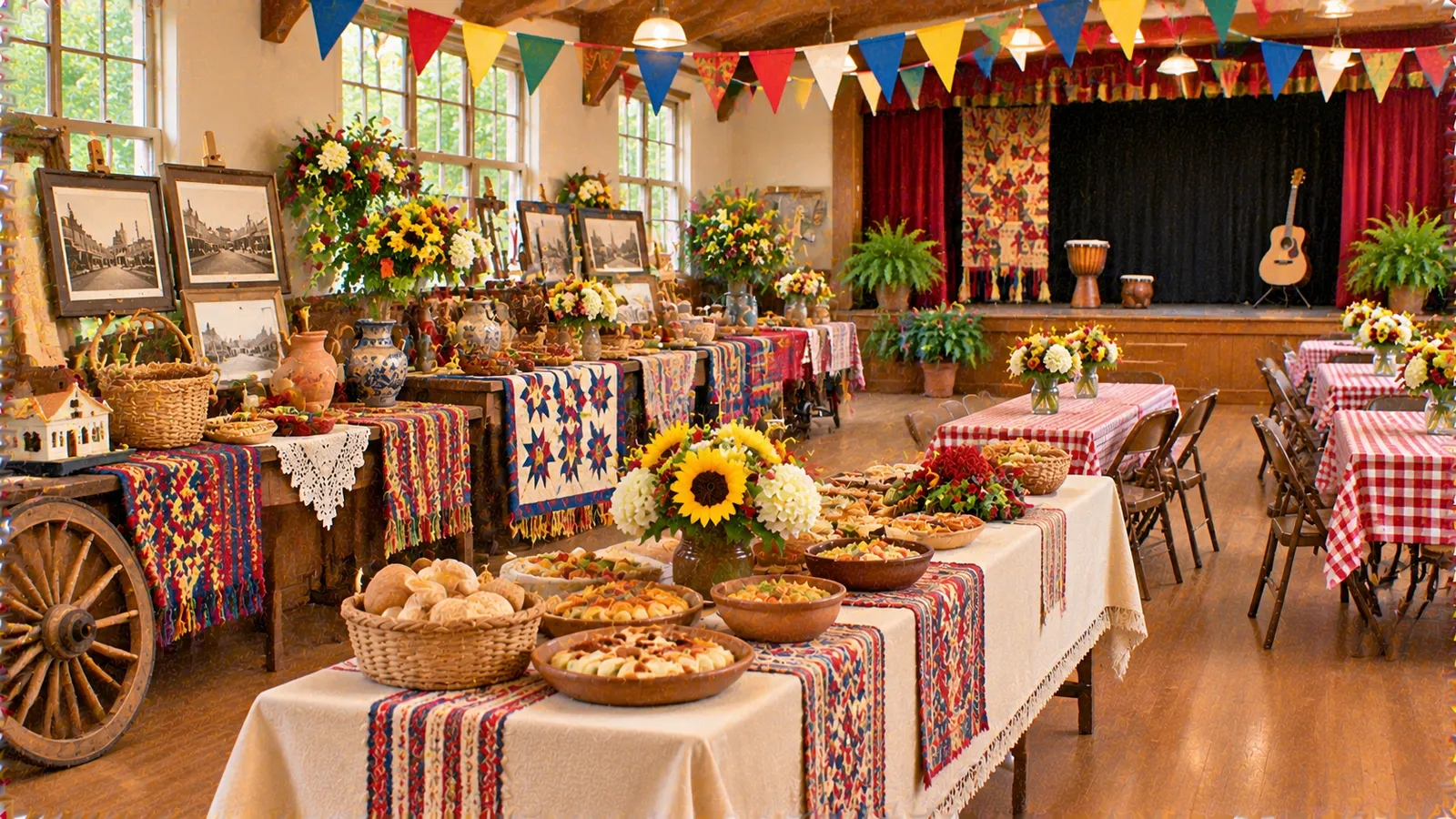
Decorations can make a festival venue feel welcoming and connected to the event's theme. Use local colors, photographs, handmade decorations, flowers, maps, and displays that reflect the history or traditions being celebrated. A community hall might have decorated tables and a central display, while an outdoor area could use simple banners, flower arrangements, and themed activity stations. Keep walkways open and make sure decorations do not block signs or exits.
Try to use decorations that have a clear connection to the celebration rather than relying on random themed items. Ask community members or cultural organizations for suggestions if you are unsure what would be appropriate. Reusable decorations can also help reduce waste and make future events easier to prepare. A few thoughtful details can make a big difference without requiring an expensive setup.
Capture Festival Memories with Photos and a Memory Book
Photographs and written memories can help families remember a heritage festival long after the event is over. Take pictures of decorations, food displays, performances, crafts, historic exhibits, and favorite parts of the day. You can also keep a small notebook where family members write down something they learned, a new food they tried, or a performance they enjoyed. These details can turn a day out into a lasting family memory.
If you are creating a community memory book, invite visitors to share short messages about their favorite local traditions or festival experiences. Always ask permission before photographing people, especially children, and follow the event's photography rules. Avoid sharing private information or personal stories without approval. A collection of photographs and notes can become a lovely record of how the community celebrates its heritage over the years.
Make Local Heritage Festivals an Annual Family Tradition
Attending a local heritage festival each year can become a tradition that children and adults look forward to. You might visit the same event annually, explore a different cultural celebration each season, or choose one local festival to attend as a family. Repeating the experience helps children notice familiar activities while discovering something new each time. It can also encourage families to learn more about the history and traditions of their area.
After each festival, talk about the favorite parts of the day and write down what everyone learned. You could keep a small scrapbook with photographs, ticket stubs, drawings, and notes about the event. If your community does not have a heritage festival, consider working with a local library, school, or neighborhood group to organize a small gathering. Even a simple annual celebration can help preserve local stories and bring neighbors closer together.
Frequently Asked Questions
### 1. What is a local heritage festival?
A local heritage festival is a community event that celebrates the history, culture, traditions, and stories of a particular place or group. It may include traditional food, music, dancing, crafts, historical displays, demonstrations, and family activities.
### 2. What activities can families enjoy at a heritage festival?
Families can enjoy food tasting, music and dance performances, craft activities, storytelling, parades, museum visits, traditional games, and local history displays. Many festivals offer activities for children as well as adults.
### 3. How can I find local heritage festivals near me?
Check your city or county events calendar, local tourism website, library announcements, community center listings, and social media pages for local cultural organizations. Museums and historical societies may also share information about upcoming heritage events.
### 4. How can I organize a small local heritage festival?
Start by choosing a clear theme and finding a suitable venue. Invite local cultural groups, artists, food vendors, musicians, and historical organizations to participate. Plan a few family-friendly activities, arrange any required permits, share event information with the community, and make sure the space is safe and accessible.
Related Ideas
15 New Year's Day Celebration Ideas for a Fresh Start
15 Martin Luther King Jr. Day Celebration Ideas for Families
15 Presidents' Day Celebration Ideas for Families
15 Memorial Day Celebration Ideas to Honor and Remember
15 Juneteenth Celebration Ideas for Families and Friends
15 Fourth of July Celebration Ideas for a Festive Day
15 Labor Day Celebration Ideas for a Fun Holiday Weekend
15 Columbus Day Celebration Ideas for Families
15 Indigenous Peoples' Day Celebration Ideas for Families
15 Veterans Day Celebration Ideas for Families and Friends
15 Thanksgiving Day Celebration Ideas for Families
15 Christmas Day Celebration Ideas for Families
15 Inauguration Day Celebration Ideas for Families
15 Flag Day Celebration Ideas for Families
15 Constitution Day Celebration Ideas for Families
15 Patriot Day Remembrance Ideas for Families
15 Pearl Harbor Remembrance Day Ideas for Families
15 National Day of Prayer Ideas for Families
15 National Night Out Ideas for Families and Neighbors
15 Black History Month Celebration Ideas for Families
15 Women's History Month Event Ideas for All Ages
15 AANHPI Heritage Month Celebration Ideas for Families
15 Native American Heritage Month Celebration Ideas
15 LGBTQ+ Pride Month Celebration Ideas for Everyone
15 Caribbean American Heritage Month Celebration Ideas
15 Hispanic Heritage Month Celebration Ideas
15 Italian American Heritage Month Celebration Ideas
15 Arab American Heritage Month Celebration Ideas
15 Polish American Heritage Month Celebration Ideas
15 German American Heritage Festival Ideas
15 Irish American Heritage Celebration Ideas for Families
15 St. Patrick's Day Parade and Party Ideas
15 Statehood Day Celebration Ideas for Families
15 State and City Anniversary Celebration Ideas